
Narcissists Are Mellow Dramatic: A Simple “No” Can Hurt Them
Stop Being “Nice” Around These People
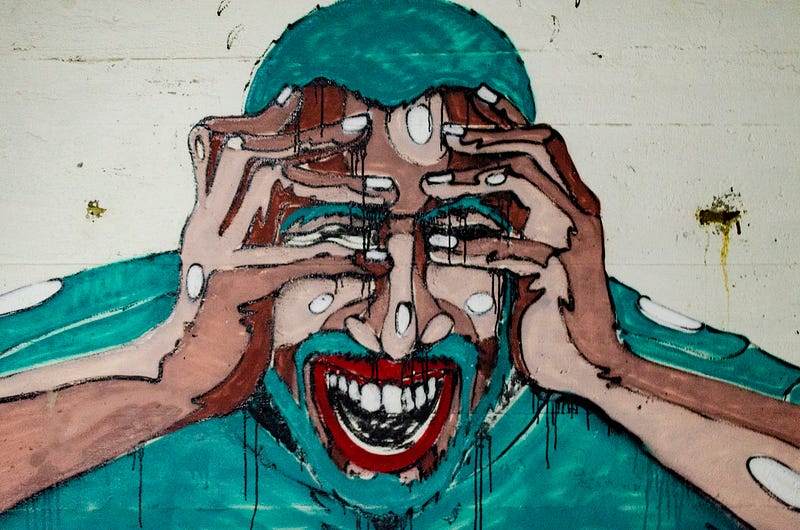
Have you ever encountered someone in your life who seems to thrive on drama, constantly seeking attention, admiration, and validation? Chances are, you’ve crossed paths with a narcissist.
Narcissists are infamous for their melodramatic tendencies, and it might surprise you to learn that a simple “no” can hurt them deeply.
In this article, we’ll delve into the world of narcissism and explore how refusing to play into their melodrama can be a game-changer.
Narcissists are like emotional vampires, constantly seeking to feed on the emotional energy of those around them. They crave validation, praise, and admiration as if it were oxygen.
To keep them happy, you may find yourself bending over backward, being overly accommodating, and even suppressing your true feelings just to avoid confrontation.
It’s like walking on eggshells, with their every whim treated as the most important thing in the world.
This behavior often leads to an unhealthy dynamic where you become an emotional pawn in their melodramatic game.
You play the role of the understanding, accommodating friend, partner, or family member while they relish in the attention you provide. But when you finally decide to say “no,” you’ll witness the true extent of their melodrama.
The narcissist’s reaction to a simple “no” can be likened to a volcanic eruption. They may throw a tantrum, become deeply offended, or employ various manipulative tactics to make you feel guilty for denying their request.
It’s not just any “no” they’re reacting to; it’s a direct assault on their fragile ego. When you refuse to indulge their melodrama, you’re effectively holding up a mirror that reflects the flaws they work so hard to hide.
One of the most common traits of narcissists is their inability to handle criticism or rejection.
They’ve built an elaborate facade to project an image of perfection, but a “no” punctures that image, revealing the cracks beneath.
It’s a threat to their carefully constructed self-image, and they’ll do whatever it takes to repair it, even if it means turning the situation into a full-blown melodrama.
So, how can you deal with narcissists and their melodramatic tendencies? The answer is simple: stop being “nice” in the sense of accommodating their every whim. Set boundaries and be honest with them, even if it means saying “no.”
Here are some strategies to help you navigate this challenging territory:
- Stay Calm and Assertive: When you have to say “no” to a narcissist, do so calmly and assertively. Avoid aggression or excessive emotion, as these reactions might be misinterpreted as a personal attack. Maintain a composed demeanor and stick to your decision.
- Be Clear and Direct: Clearly and directly express your boundaries and reasons for saying “no.” Don’t leave room for ambiguity. Narcissists often manipulate through ambiguity, so be concise and to the point.
- Prepare for Pushback: Expect a dramatic reaction. The narcissist might throw a fit, accuse you of being selfish, or employ guilt-tripping tactics. Stand your ground and don’t get pulled into their melodrama.
- Detach Emotionally: It’s crucial to emotionally detach from the narcissist’s dramatic response. Remember that their reaction is about them, not you. Stay focused on your boundaries and the reasons behind your decision.
- Seek Support: Dealing with a narcissist can be emotionally draining. Don’t hesitate to reach out to friends, family, or a therapist for support and guidance. They can provide you with a much-needed perspective and emotional reassurance.
- Self-Care: Prioritize self-care to maintain your emotional well-being. Engage in activities that help you relax and rejuvenate. Narcissists can be exhausting to deal with, and self-care is essential to stay resilient.
The beauty of saying “no” to a narcissist is that it can lead to personal growth and empowerment.
By setting boundaries and not succumbing to their melodrama, you’re taking control of your life and asserting your needs and values.
In the long run, it can help you maintain healthier relationships and protect your emotional well-being.
Remember that dealing with a narcissist is never easy, and it might be necessary to limit or even cut ties with them if their melodrama becomes too toxic or damaging to your mental health. Ultimately, the decision to say “no” and maintain boundaries is an act of self-respect and self-preservation.
In conclusion, narcissists are indeed melodramatic individuals who thrive on attention and validation.
Their reactions to a simple “no” can be intense, but it’s crucial to stand your ground and set healthy boundaries.
By doing so, you not only protect your emotional well-being but also challenge the narcissist’s fragile ego and potentially encourage personal growth within them.
Stop being overly accommodating to these individuals and start saying “no” when it’s necessary; your mental health will thank you.
Join my mission in helping to combat narcissistic abuse and empower empaths around the world by subscribing to my newsletter “Empathic Warriors United.”