avatarJay C Wells

Free AI web copilot to create summaries, insights and extended knowledge, download it at here

2349

Abstract

a href="https://unsplash.com/s/photos/speech?utm_source=unsplash&amp;utm_medium=referral&amp;utm_content=creditCopyText">Unsplash</a></figcaption></figure><h2 id="73be">The literal power of my writing voice</h2><p id="db40">I didn’t give up. Did my hands get better? Yes, but not enough. Did I want the pain to win? No! So what did I do? I used the power of my writing voice — my literal voice.</p><p id="9ee5">After a frustrating experiment with Microsoft Words’ dictation software, I found a more useful tool in otter.ai (Thanks to <a href="undefined">Zane Dickens</a> for the hint). It is not perfect yet, but it places punctuation accurately and doesn’t seem to bother too much about accents. I still have to edit the transcription, but I can do that at a comfortable speed. Also, I don’t know what your writing sprint texts look like, but mine seem horrible and need editing anyway. :D</p><figure id="ed07"><img src="https://cdn-images-1.readmedium.com/v2/resize:fit:800/1*-wB6ApoEW_ya_3L4NYNlyg.jpeg"><figcaption>Photo by <a href="https://unsplash.com/es/@soundtrap?utm_source=unsplash&amp;utm_medium=referral&amp;utm_content=creditCopyText">Soundtrap</a> on <a href="https://unsplash.com/s/photos/voice?utm_source=unsplash&amp;utm_medium=referral&amp;utm_content=creditCopyText">Unsplash</a></figcaption></figure><h2 id="75e8">What I learned about working with speech-to-text?</h2><p id="cd10">To improve the results of the transcriptions and minimise the required editing at the end (this is NaNoWriMo, and I am supposed to focus on quantity, not quality, after all), I learned the following things:</p><p id="1dd0"><b>Microphones rule! </b>This seems to be obvious, but many don’t bother. I didn’t, either. But a microphone did increase accuracy significantly.</p><p id="2d6e"><b>Outlining helps a lot.</b> Unlike typed writing sprints, I found it hard to release a stream of thoughts into spoken words. There is that moment when I hear my own words and want to yell at myself to stop. Dictating and yelling don’t work simultaneously. Outlining gives me the feeling that I know what I am doing.</p><p id="9aa5"><b>Pause the recording frequently.</b> The first two times, I tried to talk and talk until my mouth was dry like the Sahara. I recognised that I started to stammer and falter. In rhetoric courses, I learned to plan breaks to sort

Options

one’s thoughts. Taking breaks improved the quality of the drafts regarding the content but also the accuracy of the transcription.</p><p id="9206">If you <b>combine breaks with outlining</b>, you start to rock this. When I take a break, I think about what I have come up with and the right way to continue. I write those ideas down and continue based on the new outline. I take another break and outline when I feel I start to stutter.</p><figure id="aab6"><img src="https://cdn-images-1.readmedium.com/v2/resize:fit:800/1*iSvwjLe6tY8I_Zy4e6NclA.jpeg"><figcaption>Photo by <a href="https://unsplash.com/@noire_photos?utm_source=unsplash&amp;utm_medium=referral&amp;utm_content=creditCopyText">Noire Photography</a> on <a href="https://unsplash.com/s/photos/geese?utm_source=unsplash&amp;utm_medium=referral&amp;utm_content=creditCopyText">Unsplash</a></figcaption></figure><h2 id="c508">Lessons learned</h2><p id="8523">NaNoWriMo is tough. Constant pain that doesn’t want to go away makes it even more challenging. But I won’t let that stop me. This intermezzo was just one of many possible setbacks on my writing journey. I invested so much into realising this writing dream that I won’t give up.</p><p id="8c8f">Investing time into trying something new paid off. It is still awkward to listen to my voice stammering along, but I keep my word count up, and I produced several other stories besides my NaNoWriMo project.</p><p id="7faf">Also, a community is vital! It doesn’t matter if you are the fastest, slowest, or cleverest in your community. What matters is trust and lifting each other up. Imagine geese soaring through the air in their triangular formation. One goose always catches the wind in the front until it gets tired, and another takes over for a while.</p><p id="3ae2"><i>Did you like this story? Why don’t you read my other <a href="https://medium.com/@jaycwells/list/all-of-my-fiction-98579ae599f2"><b>fictional tales</b></a></i>? You can also support me by <i>subscribing to my <a href="https://medium.com/subscribe/@jcvdp"><b>email list</b></a> or joining Medium with my referral <a href="https://medium.com/@jcvdp/membership"><b>link</b></a>. You can also support me on <a href="https://ko-fi.com/judiciousjann"><b>Ko-fi</b></a><b> </b>or<b> <a href="https://www.patreon.com/jaycwells">Patreon</a></b>.</i></p></article></body>

WRITING | NANOWRIMO | FICTION

NaNoWriMo Midway Madness, Halfway Pain, and the Power of my Voice

A peak, a slump, a break, and a setback
Photo by Aarón Blanco Tejedor on Unsplash

The second week of NaNoWriMo was a mixed experience. It was time for a halfway party on Monday, but despite a great word count, I didn’t feel like partying. With Monday’s word count of 26,774, I could have taken another day off. So why the grumpy face?
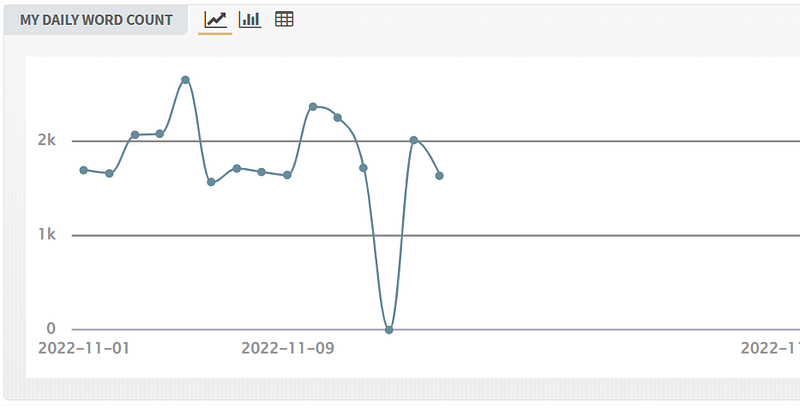
Dude, is that graph scrubbing the floor or what?! / screenshot of the author’s NaNoWriMo stats

Sunday was father’s day, and I had already planned to do a minimum of writing. It was the ideal opportunity to force me to take a break. I had reached a point where I could not continue writing, not because of a lack of motivation or imagination but constant pain.

I have chronic pain syndrome (CPS), and my constant writing, especially my hardcore writing sprints, seemed to have triggered it. Almost a week after it got awful, it is still active. I needed several breaks while writing this story.

By Monday, I was ready to give up NaNoWriMo, but luckily the Medium Illuminati intervened with their support. A huge, special thank you goes to Kathy K. If you want to help me show gratitude, please read her fantastic Quarkle Chronicles stories. :)
Photo by Daniel Sandvik on Unsplash

The literal power of my writing voice

I didn’t give up. Did my hands get better? Yes, but not enough. Did I want the pain to win? No! So what did I do? I used the power of my writing voice — my literal voice.

After a frustrating experiment with Microsoft Words’ dictation software, I found a more useful tool in otter.ai (Thanks to Zane Dickens for the hint). It is not perfect yet, but it places punctuation accurately and doesn’t seem to bother too much about accents. I still have to edit the transcription, but I can do that at a comfortable speed. Also, I don’t know what your writing sprint texts look like, but mine seem horrible and need editing anyway. :D
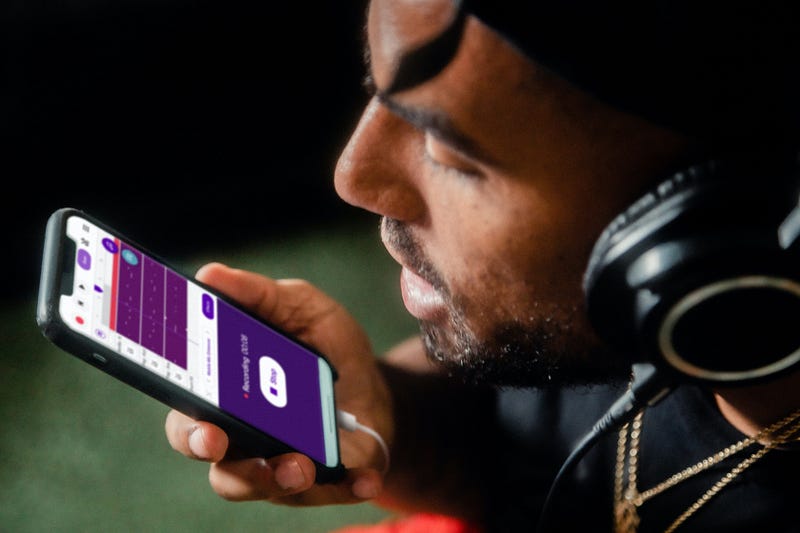
Photo by Soundtrap on Unsplash

What I learned about working with speech-to-text?

To improve the results of the transcriptions and minimise the required editing at the end (this is NaNoWriMo, and I am supposed to focus on quantity, not quality, after all), I learned the following things:

Microphones rule! This seems to be obvious, but many don’t bother. I didn’t, either. But a microphone did increase accuracy significantly.

Outlining helps a lot. Unlike typed writing sprints, I found it hard to release a stream of thoughts into spoken words. There is that moment when I hear my own words and want to yell at myself to stop. Dictating and yelling don’t work simultaneously. Outlining gives me the feeling that I know what I am doing.

Pause the recording frequently. The first two times, I tried to talk and talk until my mouth was dry like the Sahara. I recognised that I started to stammer and falter. In rhetoric courses, I learned to plan breaks to sort one’s thoughts. Taking breaks improved the quality of the drafts regarding the content but also the accuracy of the transcription.

If you combine breaks with outlining, you start to rock this. When I take a break, I think about what I have come up with and the right way to continue. I write those ideas down and continue based on the new outline. I take another break and outline when I feel I start to stutter.
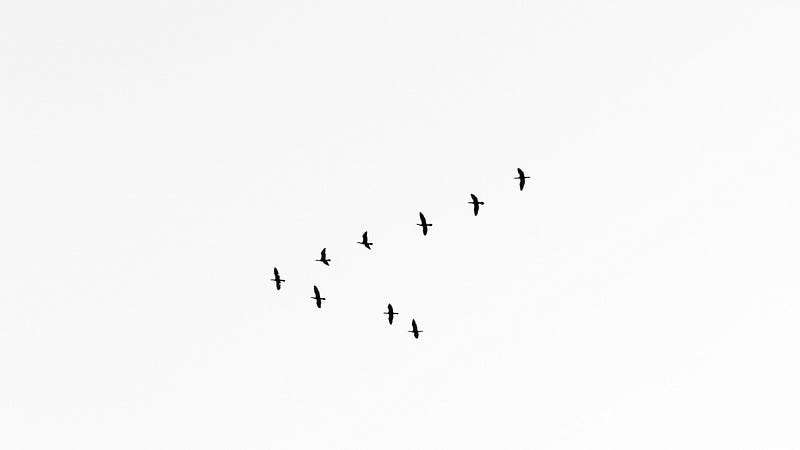
Photo by Noire Photography on Unsplash

Lessons learned

NaNoWriMo is tough. Constant pain that doesn’t want to go away makes it even more challenging. But I won’t let that stop me. This intermezzo was just one of many possible setbacks on my writing journey. I invested so much into realising this writing dream that I won’t give up.

Investing time into trying something new paid off. It is still awkward to listen to my voice stammering along, but I keep my word count up, and I produced several other stories besides my NaNoWriMo project.

Also, a community is vital! It doesn’t matter if you are the fastest, slowest, or cleverest in your community. What matters is trust and lifting each other up. Imagine geese soaring through the air in their triangular formation. One goose always catches the wind in the front until it gets tired, and another takes over for a while.

Did you like this story? Why don’t you read my other fictional tales? You can also support me by subscribing to my email list or joining Medium with my referral link. You can also support me on Ko-fi or Patreon.

Writing
NaNoWriMo
Fiction
Chronic Pain
Creativity
Recommended from ReadMedium