
Mythology and its creatures: Fruits of the Ancestral Memory
An exploration of Mythology through the lenses of Jungian psychology
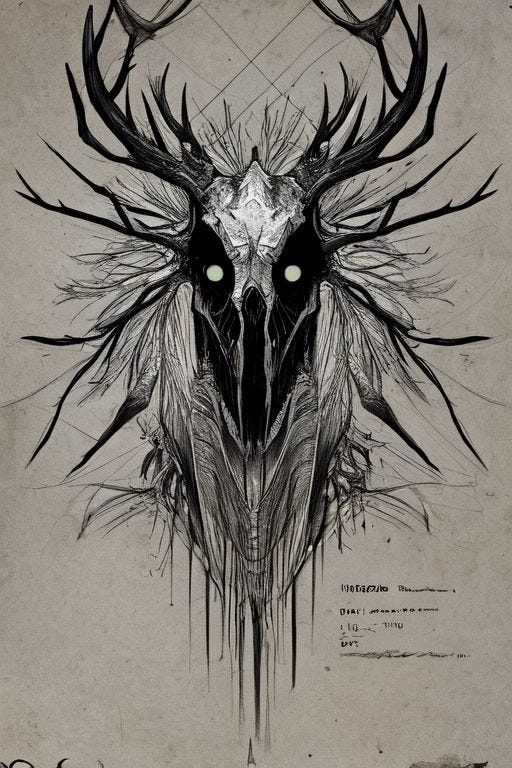
Throughout human culture, we see patterns of similar mythological stories arising, from various flood myths shared by many civilizations to some variation of gnomes, ghosts, spirits, and other supernatural beings present in folklore. Some of these myths have so much in common, that the only “driving force” behind their popularity is usually a unique “twist” that makes the story intriguing, and at least somewhat original from an otherwise carbon copy of an older story engrained in our collective imagination. Those who are more inclined to believe the supernatural aspects of these stories might use this fact as a smoking gun to prove the existence of the unexplained and perhaps otherworldly phenomena.
However, those who are more interested in studying human psychology and culture itself may come to the conclusion that something else, something that just about clings to the surface of the human psyche is the root cause and the creator of our supernatural worlds. Depending on who you ask, it is a far more interesting and reclusive phenomenon than anything otherworldly…
Meet the philosopher psychologist
Carl Jung was a renowned Swiss psychiatrist and founder of analytical psychology. Jung proposed the existence of the collective unconscious, a reservoir of shared human experiences, symbols, and archetypes that transcend individual consciousness. According to Jung, these archetypes, which include mythical motifs and characters, are inherited from our ancestors and shape our thoughts, emotions, and behaviors on a subconscious level. This collective unconscious is sometimes referred to as “Ancestral memory”.
The shared imagination
Some of these legends have been around for hundreds of years. Why do they continue to be so intriguing, even in modern culture? Jung would argue that the collective unconscious operates outside the confines of time and space, transcending cultural boundaries and historical epochs. As such, the archetypal motifs of mythological creatures resonate with us on a primal level, tapping into shared fears, desires, and aspirations that have shaped human consciousness throughout the ages.
When we examine our mythology, more specifically the monsters who inhabit these stories, through the lens of Jungian psychology, we begin to see how these representations/ancient symbols tap into primal aspects of the human psyche. Take, for example, the archetype of the dragon — a creature found in myths and folklore across cultures. In Jungian terms, the dragon represents primordial forces of chaos and destruction, as well as the potential for transformation and rebirth. Our fear of dragons may stem from an ancestral memory of facing threats from powerful predators or natural disasters, triggering a primal response rooted in survival instincts.
Another common trope of vampires and werewolves evokes primal fears of death, predation, and the loss of control. These archetypal figures embody the darker aspects of human nature — our shadow selves — and confront us with the existential realities of mortality, desire, and the unknown. Our fear of these creatures may reflect deep-seated anxiety about our own inner demons and the untamed forces lurking within the recesses of our psyche.
Relevance today
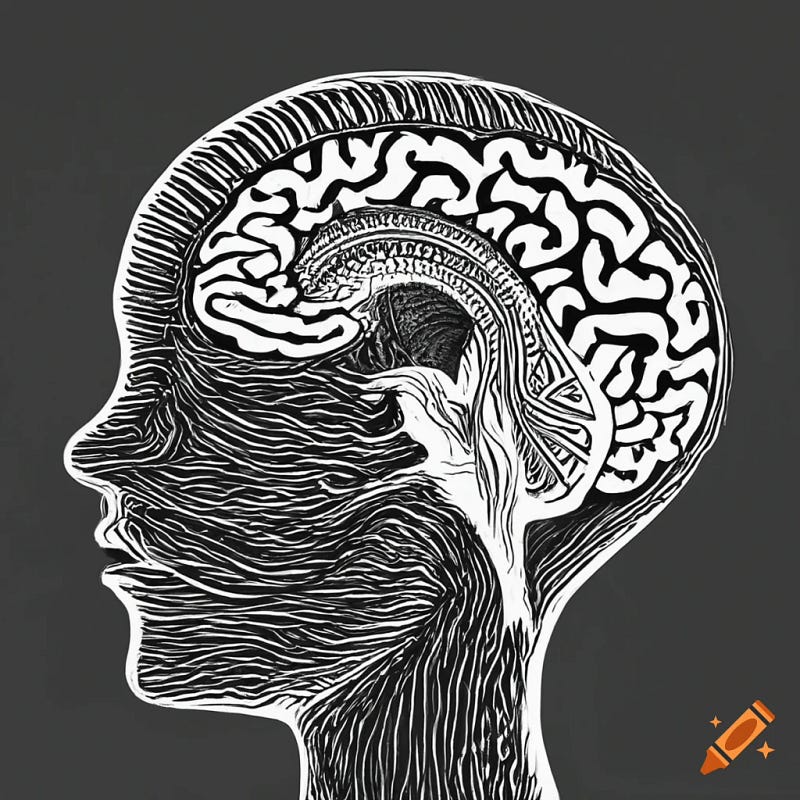
In psychotherapy and personal development, exploring ancestral memory can provide valuable insights into unconscious patterns and motivations that influence our behavior and relationships. There is a reason why you’re, consciously or not, drawn to fantastical stories and late-night horror binges.
If we consciously recognize and integrate these ancestral influences into our conscious awareness, we can gain a deeper understanding of ourselves and our place in the world, leading to greater self-awareness, personal growth, and individuation.
So late-night binges may not be so bad after all! Sort of…