
Mysteries of Vitamin K: A Journey into Its Vital Roles and Impact on Health
Exploring the Marvels of Vitamin K
Benefits and Functions
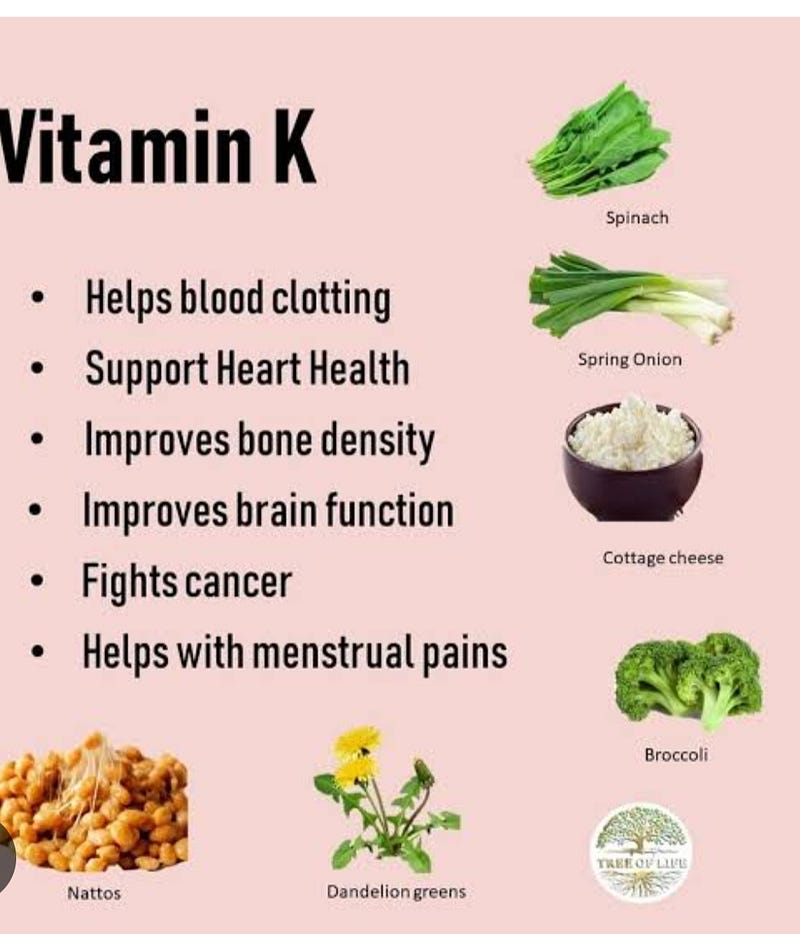
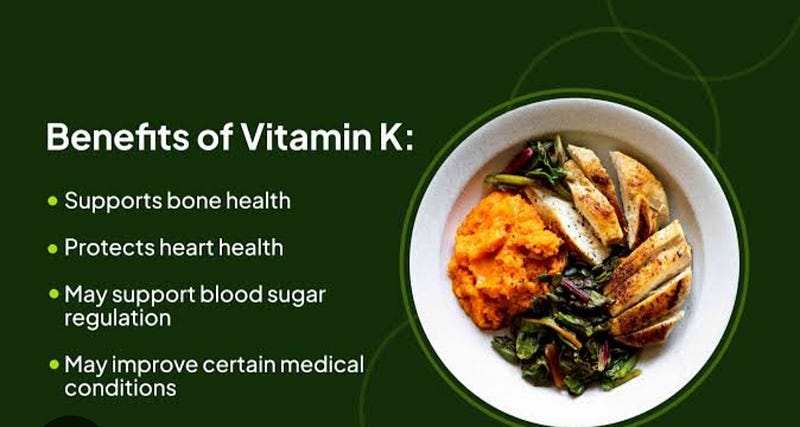
Vitamin K is a powerhouse nutrient, boasting a myriad of essential roles within the body, primarily centered around blood clotting and bone strength. Its key function lies in synthesizing crucial proteins that aid in clotting, ensuring wounds heal effectively while preventing excessive bleeding. Moreover, it plays a pivotal role in regulating calcium levels, vital for bone metabolism and mineralization
Deficiency and Risks
While deficiencies in vitamin K are relatively rare, certain conditions or factors such as malabsorption disorders or prolonged use of antibiotics can heighten the risk. Symptoms of deficiency include easy bruising, nosebleeds, excessive bleeding from wounds, and weakened bones, underscoring the importance of maintaining adequate levels of this vital nutrient.
Recommended Intake
The recommended daily intake of vitamin K varies depending on factors such as age and sex, typically falling within the range of 90–120 micrograms for adults. However, individual requirements may vary, emphasizing the importance of consulting with a healthcare professional to tailor intake to specific needs.
Rich Food Sources
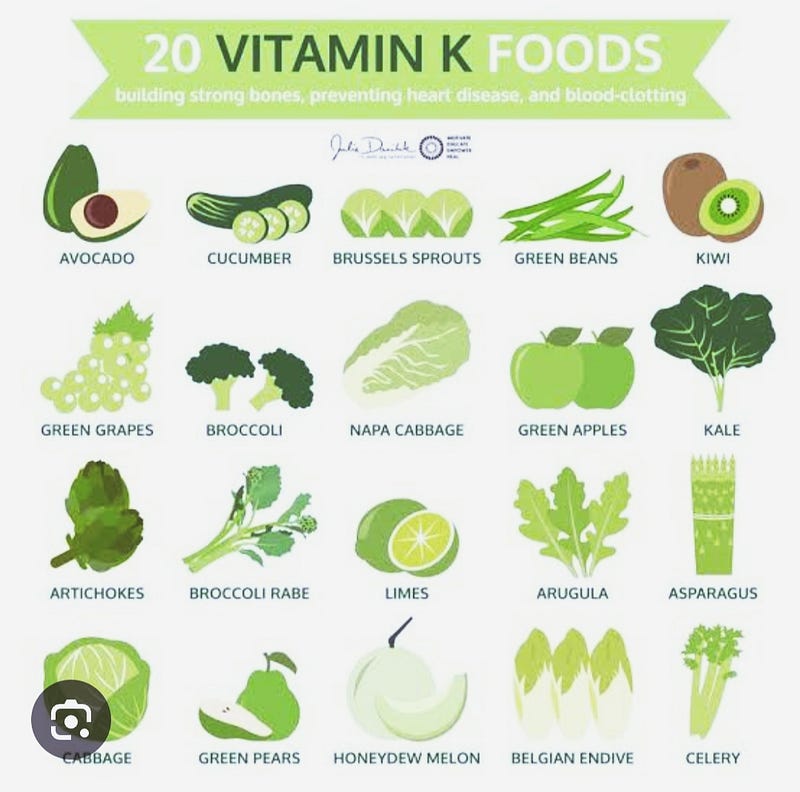
Vitamin K abounds in an array of foods, particularly in verdant green leafy vegetables like kale, spinach, broccoli, and collard greens. It also lurks in certain oils such as soybean and canola oil, as well as in meats, dairy products, and fermented foods like sauerkraut and natto.
Supplementation Insights
Supplements of vitamin K come in various forms, including K1 (phylloquinone) and K2 (menaquinone), offering additional support for bone health, especially in individuals at risk of osteoporosis or those with conditions affecting vitamin K absorption. Consulting a healthcare provider is paramount before embarking on supplementation, particularly for individuals on medications like blood thinners, to avoid potential interactions or adverse effects.
Interactions and Caution
It’s imperative to be aware of potential interactions between vitamin K supplements and certain medications, notably blood thinners like warfarin (Coumadin). Therefore, individuals taking such medications should exercise caution and seek guidance from healthcare professionals to ensure safe supplementation.
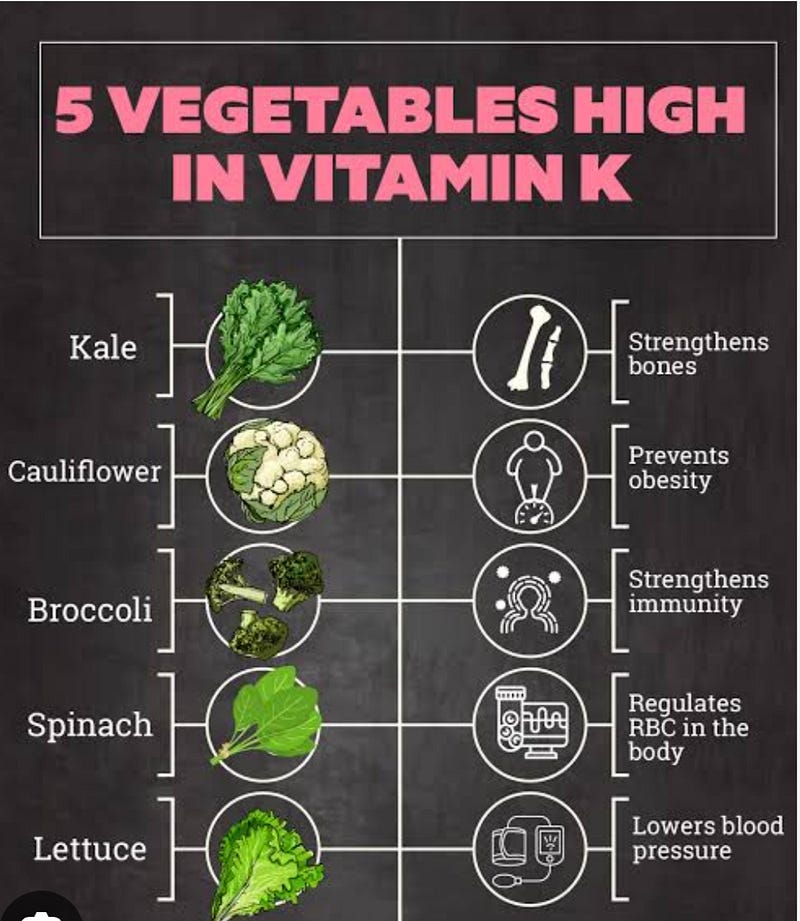
In summary, while vitamin K may not possess direct cognitive-sharpening powers, its indispensable contributions to blood clotting, bone health, and overall wellness are undeniable. Incorporating vitamin K-rich foods into one’s diet and considering supplementation when warranted can be integral steps toward maintaining optimal health and vitality.
#stay healthy🌸.
#Thanks for reading😊.