
My Waiter Pulled One Over on Me and It Taught Me Something About Sales
How marketers ask questions makes all the difference
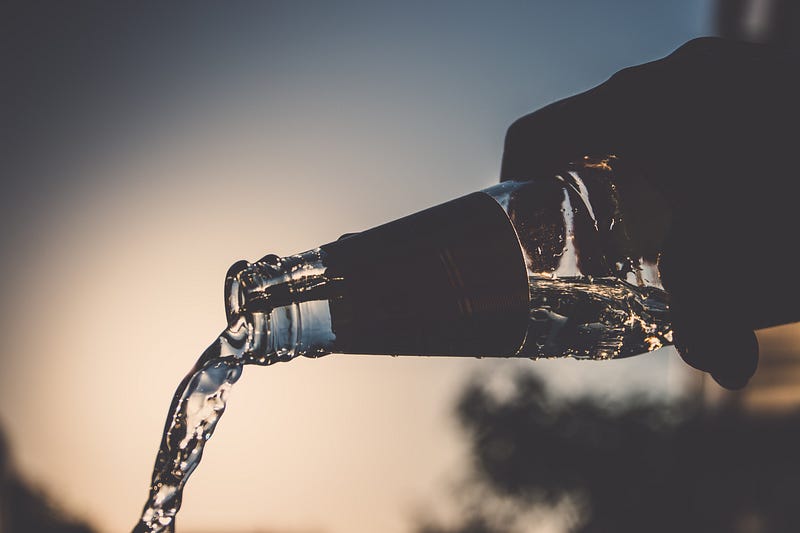
I was recently in New York City. I’m from the Midwest. When we ask for water, most restaurants serve it free, from the tap. I’ve been to NYC many times, but it had been a while, and I got a sales lesson from a server in an upscale restaurant.
The server asked if we wanted water at the table and gave us two choices, “sparkling or flat?”
“Flat,” I say, thinking I was a good little consumer. And five minutes later, the server stood at the table, opening an imported, eight-dollar, glass bottle of water from Italy.
Now, if you’re an insider, and you’ve been through this game enough, you can say “tap” as your response to the water question. This’ll get you the free water. Since it was a tourist restaurant, the server would never give the tap water option up-front, but it’s always available.
The way we ask the question will greatly affect the customer’s buying response.
Here’s another example I heard recently:
A city was trying to increase the fire safety of its low-income residents. To solve the problem, they gave away free smoke alarms door-to-door. While this may seem like an easy sale, the program backfired. They couldn’t get people to accept the right number of smoke alarms. Remember, they wanted to give away a lot of them to keep people safe, not just one per house. You need one per bedroom in the United States — minimum.
A smart marketer stepped in and changed the sales script.
Instead of knocking and offering free alarms, they changed the approach to a free alarm consultation. They asked how many bedrooms the home had. The owner would tell them (let’s say there were three bedrooms), and the canvasser would say “looks like you need three detectors for your house. How many would you like, three or four?” People usually took a larger amount.
The language you use in the offer changes everything.
Here’s an example I use in my own business:
Instead of asking readers to join my mailing list (a tired phrase that doesn’t entice customers into your fold), and instead of saying, “I’ll give you this free gift if you join my list,” which is another repelling strategy — I offer my readers free enrollment in my masterclass.
I don’t mention anything about a list at all. No one wants to be on a list. That’s like getting in trouble or being sent to the principal. As marketers, we can talk about our lists all we want, but to the customer, we’ve got to change our language and make the entire transaction about them.
Next time you give your tribe an offer, dissect your language down to the word.
Not only will you increase your closing rates, but your customers will be much happier in the process. Just give them better options when you ask what kind of water they want. No one likes being tricked.