
My Unexpected Battle Over a Surveillance Camera in a Ladies’ Room
The most unlikely experience in Japan which boasts its hospitality
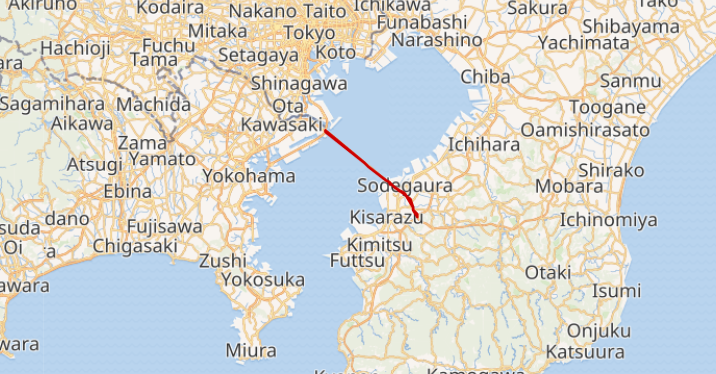
It happened during a family trip on the weekend. My husband and I took a drive on the Tokyo Bay Aqua-Line Expressway—the combination of tunnels and a bridge in the ocean—to visit the neighboring Chiba prefecture.
We arrived at the beach on time, and we unfolded a pop-up tent on the sand. It was an idyllic day. I stayed under the canopy and read a book for a while. My daughter was running around the beach in her bikini and enjoying the water with her floater along with my husband.
When we put our stuff into the car and started the engine, we couldn’t have guessed the turn the day would take.
On our way to Noumizo Waterfall, I suggested taking a break at a rest stop. It was insanely hot, and we all wanted to evacuate to the air-conditioned wind tunnel inside the little cafeteria for a soft serve.
Against our hope, the iron-fisted authority of the older woman behind the counter wasn’t budging for us. She bluntly told us to eat our soft serve outside.
She didn’t explain why, but a hand-written poster on the wall caught my eye: “Please eat ice cream outside to avoid spreading COVID-19.” Aargh. COVID is such a convenient excuse to repel customers even in Japan.
Even though the cafe was empty, we left there and sat on an open-air bench under the scorching sun.
While trying to keep up with the speed of melting soft-serve, I found three other posters on the building wall.
“Don’t Leave trash!”
“There’s no trash can at this rest stop!”
At this point, my good mood had yet to fade, and I even appreciated the sentiment of spending the day outdoors. Someone might have left a huge amount of garbage repeatedly. I tucked away used ice cream spoons and paper napkins into my bag and took my daughter to a restroom to wash her sticky hands.
Then, there they were. Hand-written posters again, one next to the mirror above the basin, and another at the entrance of the ladies’ room.
“Don’t leave trash! The camera is watching!”
“Don’t throw away your trash! That’s grown-ups’ manners!”
Oh my goodness. This is too much. I washed my daughter’s hands quickly and walked away from the bathroom. I let my husband share my outrage as I told him about the sign, and we vowed that we would never visit the roadside cafe again.
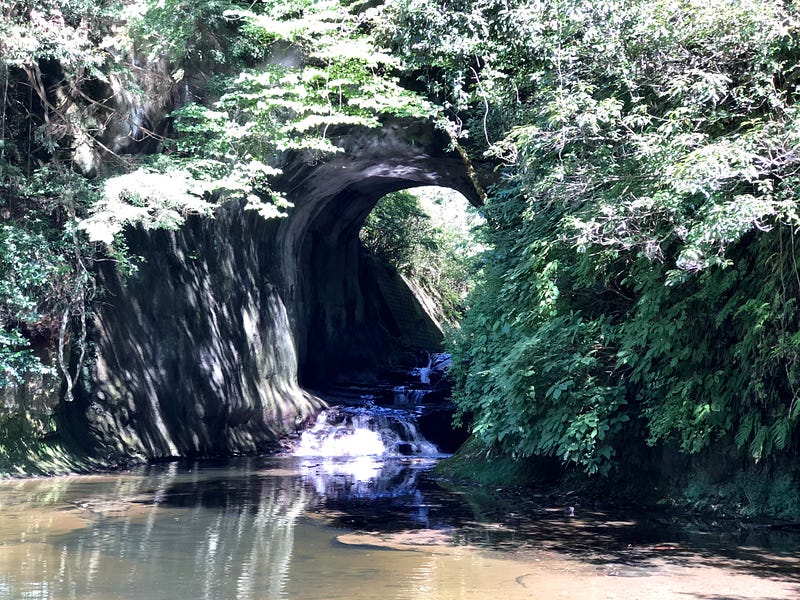
Noumizo Waterfall was refreshing enough to make me feel everything was water under the bridge. A baby frog jumped around while we were splashing in a shallow river. But the warning of the surveillance camera stuck in my mind. It was too threatening to forget instantly.
After coming home from an adventure-turned-thriller day trip, I asked my husband whether he saw a warning on a camera in the men’s room. He said no.
I couldn’t stop wondering how many women use that bathroom every day. Why should women be the only ones subject to this violation? Is it legal to install a security camera in a bathroom? I did some research.
Japanese law prohibits cameras inside confined spaces in bathrooms, but cameras in open areas in bathrooms are fine.
I wanted to know whether the surveillance camera was there or not because it’s a public place—local governments own and manage those public rest stops in Japan, which are called michi no eki (roadside stations).
Google Maps showed the rest stop’s review as 3.3 stars, including some negative comments, but not about the camera. So I filled out a questionnaire form at Kimitsu City’s website.
Two days later, a person in charge of the economic promotion of the city gave me a polite reply. They were sorry and confirmed no camera was installed in the bathroom, and that they would remove the poster immediately. I sent back a thank you email. Although it was still eerie, no woman would be upset without the poster from now on.

I wish I could say my experience was an isolated incident. But without other cases reported, I wouldn’t have written this article in the first place. It isn’t just rest stops invading women’s sense of private space.
In 2017, Mitsubishi Electric punished a female employee, demanding a one-day suspension for her repeated absence for over 15 minutes without her supervisor’s approval. The company claimed she took too long breaks compared to other female employees.
How were they able to collect the data to make this claim? They retrieved footage from a camera that had been mounted in the hallway to track employees entering and exiting the women’s restroom. The company wanted to kick her out ever since she filed a sexual harassment case—which happened over 15 years ago—and needed to fabricate her wrongdoing. Sadly, her battle with her employer isn’t over yet.
In another case, a manager hitting on a female subordinate monitored the surveillance camera’s videos and asked her why did she frequently use the ladies’ room, going so far as to question if it was her period when she was holding a makeup bag. The woman was scared but stood up about the issue with her colleagues. The manager got fired in the end.
The number of CCTV cameras per 100 individuals in Japan is still moderate—Japan has 2.72 cameras per 100 people while the U.S. has 15.28 and China keeps 14.36.
However, when an overly male-dominated country installs surveillance cameras, there are always unpredicted risks associated with them, and women should stay vigilant.
If you enjoyed this article, discover other works of the author at Japonica.
Follow Yuko for more stories about cross-cultural topics, travel, business, parenting, and equality. You can also subscribe from the referral link, which Medium uses a portion from followers for author support without any additional cost. Mediumの購読は、こちらのリンクからどうぞ。