avatarKelda Ytterdal

Free AI web copilot to create summaries, insights and extended knowledge, download it at here

1752

Abstract

m/v2/resize:fit:800/1*g2znwj8lLw1mH4bQ9VSbZw.jpeg"><figcaption>typical snapshot showing his humor</figcaption></figure><p id="67ac">I must say that it took a while to type it up because it was so fascinating to read and contemplate along the way.</p><p id="d083">This was someone I knew and loved. It was a glimpse into a part of his life I had not known during what was probably rough days for him.</p><p id="d022">Some times we learn things about family from reading what they write. In this instance, it was long after I was no longer able to speak with him about it.</p><p id="5740">This was true for me from his notes. I started to think about my childhood, his visits, what my family never talked about, and all those ‘people’ things I never knew.</p><p id="cec0">When I was young, I remembered him as the kind and gentle uncle who visited on holidays and always brought a nice gift at Christmas. He was very loving, and we enjoyed having him with us on those special days.</p><p id="c70b">It was a new experience for me to think of him from an adult perspective and envision him during war times — and now understanding what that meant.</p><p id="aed9">Paul worked for a local title company. During those years in the late ’30s and early ’40s, everything was done by hand. He laid out city markers, streets, and maps all by hand. Those were the days when you had a job, kept the job, and were able to retire decades later with honor and dignity and that infamous parting ‘gold watch’.</p><p id="0cd3">Those skills were things that placed him in the Signal Corps where his experience was used in Europe during war times.</p><figure id="5a30"><img src="https://cdn-images-1.readmedium.com/v2/resize:fit:800/1*3e-Vw5LLdpkaUNBFEswAkQ.jpeg"><figcaptio

Options

n></figcaption></figure><p id="77d4">Tragically, after returning from the war, he could not retain his employment. He was injured mentally. (I’m thinking it could have been PTSD but back then it was called Shell Shock). No one understood it and horrible things were done to try to fix that condition.</p><p id="88d4">So those unfortunate ones who gained that label were ostracized. Not enough people took the time to understand what had happened to the veterans who served in that war.</p><p id="b43e">Back in his day, losing your job was a <b><i>HUGE</i></b> deal and labeled you in only negative ways. At the age of 55, I believe he just gave up.</p><p id="7d27">He spent a lot of time wandering the streets of Seattle and taking photos to fill his time. Those photos from the war, and 1950s and 1960s have been digitized now. He was very talented in using his camera, and it was a time when color film was available. He documented every shutter speed, film exposure, date, location — after all, keeping meticulous records was his life work.</p><figure id="b552"><img src="https://cdn-images-1.readmedium.com/v2/resize:fit:800/1*DxmjIe65dYsAp99dJzuHRQ.jpeg"><figcaption></figcaption></figure><figure id="d5c7"><img src="https://cdn-images-1.readmedium.com/v2/resize:fit:800/1*3QV-iBFgo3P81nY1DsE9Ag.jpeg"><figcaption></figcaption></figure><p id="d161">I fondly remember him on each and every military holiday.</p><p id="f467">All who have served our country and paid a price in some way deserve to be remembered.</p><p id="e3aa">Their sense of duty, along with personal sacrifices, has provided the rest of us with our continued freedoms.</p><blockquote id="781c"><p>Images owned and shared here by courtesy of author</p></blockquote></article></body>

Freedom | Honor | Veterans

My Uncle Paul — A Hero in My Eyes

Service in the World War II 810th Signal Service
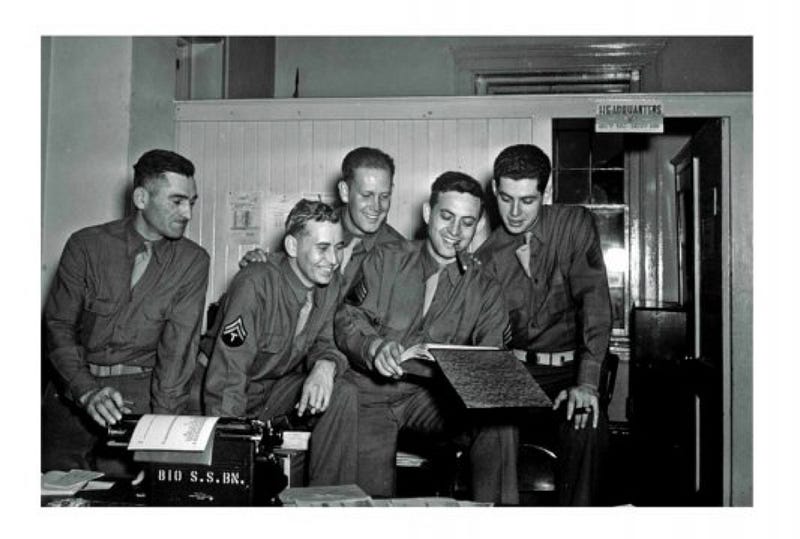
Uncle Paul in the middle

One of the first things I learned to do while exploring the adventures of online business was how to publish a book.

After retiring from a corporate career, I was able to go through family treasures of old photos and papers. I discovered my Uncle Paul’s memoirs and notes he had taken during the World War II era. He chronicled his days from the moment of his draft into service through his time in Europe.
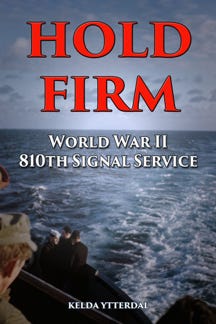
Hold Firm was their motto.

Upon learning of his last days and tragic life-ending experiences, I wanted to honor the legacy of his photos and memoirs by publishing a book, his story.

If you are interested in historical things, the book is published under my name at Amazon . I did very little editing; it is his story.

Because it was handwritten I had to transcribe it to digital format, scan in photos from paper prints, adjust and edit where required, and request additional historical information from a government agency. Then I was ready to pull it all together.

It was time consuming, yes, but just the learning experience I needed to understand self publishing.
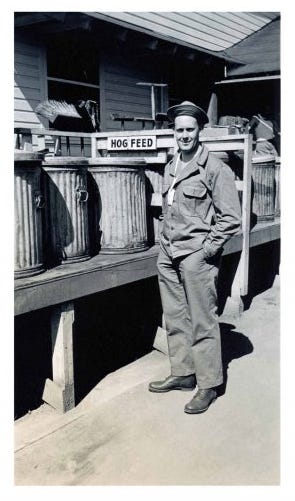
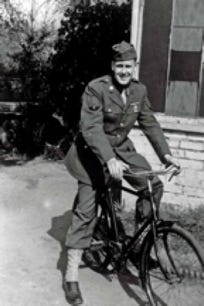
typical snapshot showing his humor

I must say that it took a while to type it up because it was so fascinating to read and contemplate along the way.

This was someone I knew and loved. It was a glimpse into a part of his life I had not known during what was probably rough days for him.

Some times we learn things about family from reading what they write. In this instance, it was long after I was no longer able to speak with him about it.

This was true for me from his notes. I started to think about my childhood, his visits, what my family never talked about, and all those ‘people’ things I never knew.

When I was young, I remembered him as the kind and gentle uncle who visited on holidays and always brought a nice gift at Christmas. He was very loving, and we enjoyed having him with us on those special days.

It was a new experience for me to think of him from an adult perspective and envision him during war times — and now understanding what that meant.

Paul worked for a local title company. During those years in the late ’30s and early ’40s, everything was done by hand. He laid out city markers, streets, and maps all by hand. Those were the days when you had a job, kept the job, and were able to retire decades later with honor and dignity and that infamous parting ‘gold watch’.

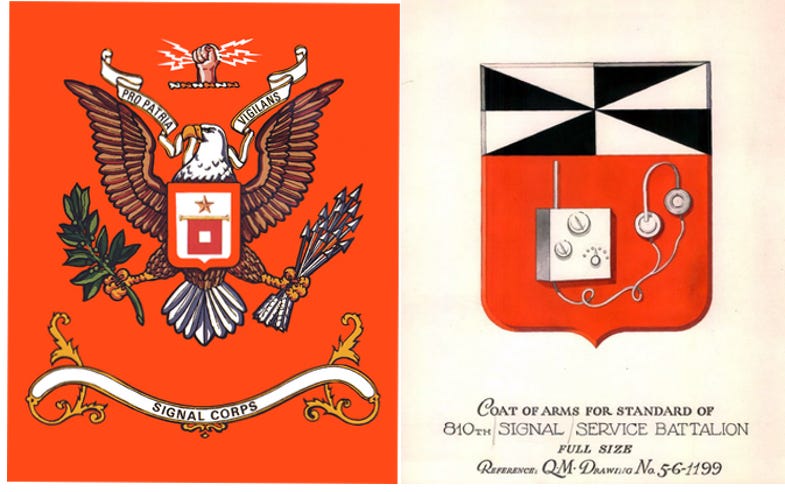
Those skills were things that placed him in the Signal Corps where his experience was used in Europe during war times.
Tragically, after returning from the war, he could not retain his employment. He was injured mentally. (I’m thinking it could have been PTSD but back then it was called Shell Shock). No one understood it and horrible things were done to try to fix that condition.

So those unfortunate ones who gained that label were ostracized. Not enough people took the time to understand what had happened to the veterans who served in that war.

Back in his day, losing your job was a HUGE deal and labeled you in only negative ways. At the age of 55, I believe he just gave up.

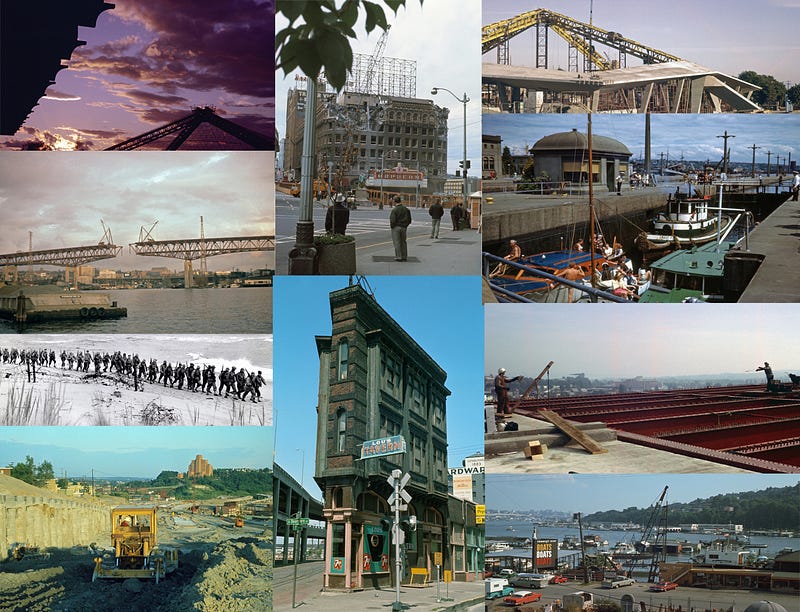
He spent a lot of time wandering the streets of Seattle and taking photos to fill his time. Those photos from the war, and 1950s and 1960s have been digitized now. He was very talented in using his camera, and it was a time when color film was available. He documented every shutter speed, film exposure, date, location — after all, keeping meticulous records was his life work.
I fondly remember him on each and every military holiday.

All who have served our country and paid a price in some way deserve to be remembered.

Their sense of duty, along with personal sacrifices, has provided the rest of us with our continued freedoms.

Images owned and shared here by courtesy of author

World War II
History
Veterans
Memoir
Signal Service
Recommended from ReadMedium