
My Toxic Brew
Memories of anxiety, fear and addiction
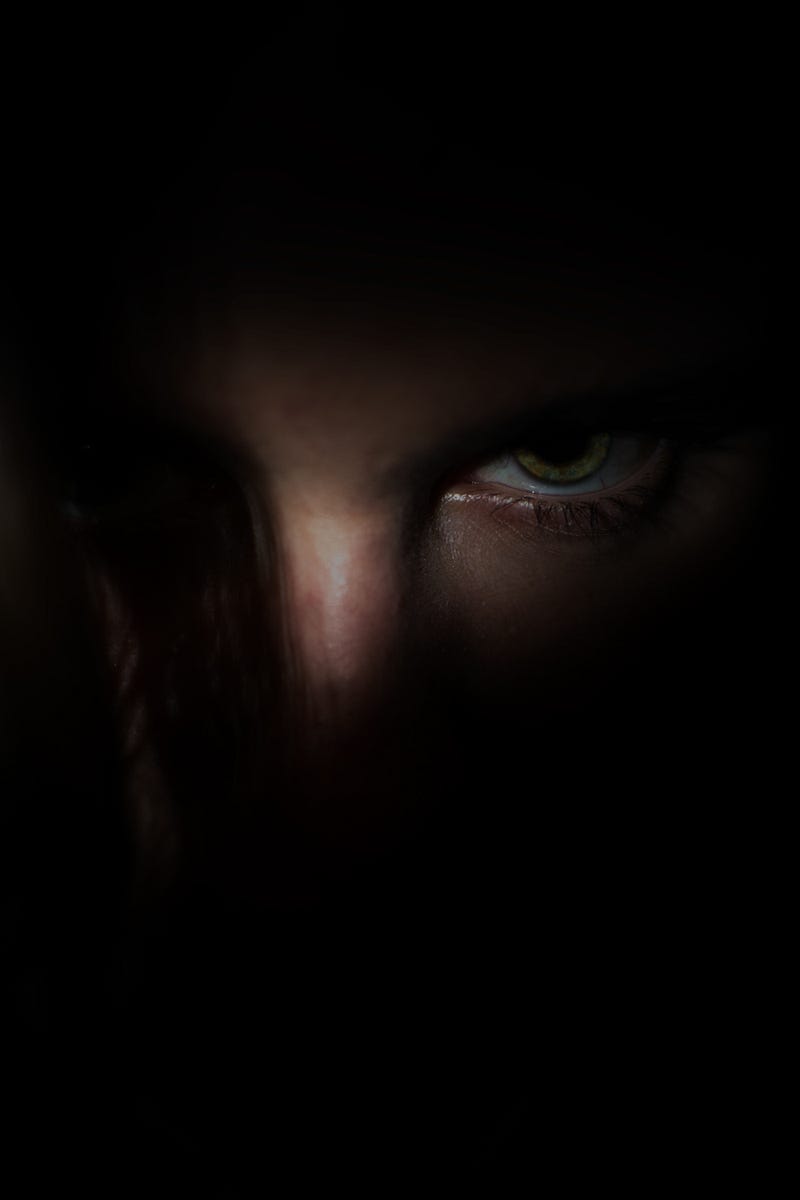
I remember the nights of fear, lying awake in bed at 4 am with eyes wide open and a racing pulse that wouldn’t slow no matter how many deep breaths I took. I would lie there in restless discomfort, tracking the clock’s inevitable theft of my minutes of darkness.
My mind raced from one issue to the next, picking up and putting down problems, as though I was rushing to pick a necktie to wear with my final suit.
Every night when I was done working, usually late, I’d hit the bottle hard and fast to try to quiet my nerves enough to sleep. My once calm and composed demeanor had taken a beating and was fraying at the edges. The synapses of my mind were like downed electricity lines after a microburst. You couldn’t see the charge, but you’d better be careful because I was all just one live wire.
By this point, the alcohol had stopped working the right way. The warm soft blanket that once lulled me to sleep had become the only thing that steadied my hand.
It was a Band-Aid on a severed artery. You might not see the blood gushing at first glance, but there was a steady stream trickling from my fingertips. It was only a matter of time now.
Subtle stressors had magnified. The sunny days made me uncomfortable. It all was just too much light. I could feel screeching of the subway car brakes reverberate through my body. The sharp sounds had started to hurt. I could feel the anger and anxiety radiating off passengers as they pushed and prodded their way past each other. The heat from their eyes seemed to burn my skin.
I was growing jumpy. The slightest tap on my shoulder, and my whole body would convulse away. My reptile brain had kicked into survival mode again; my baseline anxiety level held steady on the redline. Going outside had become difficult. The weather didn’t matter; it was never long until sweat would begin to pour down my face.
When I could force my jittery nerves back below the surface and summon the strength to navigate the overwhelming cacophony of three subway stops, I made a desparate beeline for my office. I’d shut the door, turn down the temp, plug in my computer, turn on my low-light lamp and squint my way through the blue light emanating from my monitor.
Often unable to focus, my mind would be ripped away from my task at hand with every ping and pop up of email. Sometimes I’d just give up, sit there and count, trying to calculate the volume per hour.
Sometime I’d get woozy, and my vision would blur. I could feel the panic race through my body, an icy shock of fear that stunned my senses. My insides were on fire, and nothing felt right. I didn’t dare risk more than soup. Spoons had become a challenge — so I’d race them to my lips behind closed doors or just sip straight from the cup.
Unable to function fully while I stumbled through calls and meetings, I’d work late into the night, as I steadied my hand against a tilting bottleneck. When others signed off, I could finally work in peace. I’d tick the biggest emergencies off my list, blot out the nerves again, try to wring out four hours of sleep and soon it was time again to rinse and then repeat.
Somewhere deep down I knew all along that the only way out was through the pain, but I was scared. I had already used up all my stamina and my courage just holding myself together. My world had become so bleak that I didn’t know what I could possibly gain.
As I look back to that time, I promise never to forget. The panic and fear were my only reality.
###


