avatarLisa S. Gerard

Free AI web copilot to create summaries, insights and extended knowledge, download it at here

4114

Abstract

could be celiac disease, Hirschsprung disease, irritable bowel syndrome, or even lactose intolerance.</i></p></blockquote><blockquote id="0193"><p><b><i>Fecal impaction.</i></b><i> If your child is often constipated, they could end up with hardened poop lodged in their colon or rectum, making it impossible for them to go.</i></p></blockquote><blockquote id="08f1"><p><b><i>Colonic inertia.</i></b><i> Call it a lazy colon if you want, but when your GI system doesn’t efficiently move stool along its usual path, it can mess with your ability to go.</i></p></blockquote><blockquote id="acbb"><p><b><i>Thyroid problems.</i></b><i> Constipation is a common symptom of <a href="https://www.healthline.com/health/hypothyroidism/hypothyroidism-vs-hyperthyroidism">hypothyroidism</a>, a condition in which you don’t make enough thyroid hormone.</i></p></blockquote><blockquote id="0f67"><p><b><i>Anatomical issues.</i></b><i> A malfunctioning part of your child’s anatomy, like a too-tight anal sphincter, for example, could make it physically difficult for their stool to pass. Similarly, pelvic floor dysfunction can also interfere with the body’s ability to bear down and pass bowel movements.</i></p></blockquote><p id="5e73">My grandson drinks a lot of water knocking the easiest one of constipation due to dehydration off the list. Other considerations from <a href="https://www.healthline.com/health/parenting/potty-training/toddler-holding-poop#talk-with-a-doctor">Healthline</a> include:</p><ul><li>Constipation</li><li>Fear of Pain</li><li>Potty Training Confidence</li><li>Independence</li><li>Sensory Processing Disorder</li></ul><p id="afe9">As I dug into their reports, I discovered that stool withholding is usually <b>psychological</b>. In the back of my mind, I knew he was fixated but it’s challenging to get a full-blown explanation from a 4-year-old.</p><p id="de30">His pediatrician ruled out any physical concerns; his belly is soft and not distended, and he is not constipated as there is some movement that squeaks by his control.</p><h2 id="c734">How to Deal with Stool Withholding</h2><p id="1db3"><a href="https://www.healthline.com/health/parenting/potty-training/toddler-holding-poop#talk-with-a-doctor"><b>Relax and be patient</b></a></p><p id="ceff">Some kids respond quickly to stress-free approaches with simple soothing routines like a warm bath or reading a book to entertain themselves while on the potty.</p><p id="0005"><a href="https://www.healthline.com/health/parenting/potty-training/toddler-holding-poop#talk-with-a-doctor"><b>Check your ergonomics</b></a></p><p id="9c9e">A stable insert toilet seat makes a difference in your toddler’s security. Make sure they are sure-footed with a stool that their feet touch.</p><p id="9853"><a href="https://www.healthline.com/health/parenting/potty-training/toddler-holding-poop#talk-with-a-doctor"><b>Educate them</b></a></p><p id="f7cf">Find some age-appropriate books that explain how the body works. Take away the mystery and diminish anxiety.</p><p id="1505"><a href="https://www.healthline.com/health/parenting/potty-training/toddler-holding-poop#talk-with-a-doctor"><b>Change their diet</b></a></p><p id="c328">Toddler foods tend to cause constipation. Switch up the mac ‘n cheese and chicken nuggets by introducing more leafy greens, vegetables, and raw fruit. Reduce intake of dairy, carbs, and processed sugar.</p><p id="a7f3"><a href="https://www.healthline.com/health/parenting/potty-training/toddler-holding-poop#talk-with-a-doctor"><b>Hydrate them</b></a></p><p id="ea37">Kids need lots of water during the day. Hydrate them and offer foods with high water counts like watermelon, smoothies, soups, and cucumbers.</p><p id="2327">If you, like me, exhaust all of the at-home approaches to no avail and the toddler’s condition worsens, schedule a visit with your pediatrician. It’s important to rule out any physical causes so you can isolate and focus on the behavioral modifications if necessary.</p><p id="8b7d">Our doctor’s visit today confirmed that no physical abnormalities were present. The catch-22 exists. I’m ela

Options

ted that he was cleared for anything medically serious but I know first-hand how difficult combatting or modifying behavioral patterns can be.</p><p id="9340">I was told to administer a glycerin suppository and force things along.</p><p id="bfcd"><i>I did, it is working, but we have a road in front of us that isn’t clear.</i></p><p id="a3b0">The additional intestinal movement equates to more frequent dropping, wincing, and groaning.</p><p id="1db8"><i>He is still mentally fighting his bodily functions.</i></p><p id="3e43">It was already gut-wrenching and now with increased incidents of greater distress, I am beside myself to help him. Here I am, once again wondering if his DNA is at work with his mother’s autism.</p><p id="0d08"><i>The magic involved to change a pattern in the brain is daunting.</i></p><h2 id="3772">Autism Influence</h2><p id="67f8">My grandson already exhibited sensory sensitivities. Loud or annoying noises, even joyful, continue to have him covering his ears. At times, panic takes over and he scrambles to find cover. His mother had tactile needs and challenges which dictated her clothing choices and food selections.</p><p id="3317"><i>Why didn’t I consider this?</i></p><blockquote id="0f83"><p><b><i>They have sensory or anxiety issues.</i></b><i> Your child may not like the feeling of pooping. This can happen for autistic kids or those with <a href="https://www.healthline.com/health/childrens-health/sensory-issues-in-children">sensory processing disorder</a>. The smell or appearance of poop can also be offensive to some highly sensitive kids. ~ <a href="https://www.healthline.com/health/parenting/potty-training/toddler-holding-poop#talk-with-a-doctor">Healthline</a></i></p></blockquote><p id="85b7"><i>To watch him struggle kills me.</i></p><p id="a9b4">He gets out of bed in the middle of the night to drop to the floor. He drops in the middle of the concrete exterior stairs to our new place. My grandson chooses hard surfaces to sit on to fight the process. He denies hugs, comforting, or back rubbing.</p><p id="7834">The physical causes are under control. The <b>psychological</b> ones are not.</p><p id="7b36">I suspect my grandson will work it out when he’s ready.</p><p id="9635">Literally and figuratively.</p><div id="91b5" class="link-block"> <a href="https://readmedium.com/advocating-for-our-children-autism-and-labels-7ccadf06f397"> <div> <div> <h2>Advocating for Our Children ~ Autism and Labels</h2> <div><h3>A mini-rant on State Agencies and idiocy</h3></div> <div><p>medium.com</p></div> </div> <div> <div style="background-image: url(https://miro.readmedium.com/v2/resize:fit:320/1*uf4zbBB6oLu6oClDSiOViw.jpeg)"></div> </div> </div> </a> </div><p id="6533"><i>Want to keep reading? Join here for access to thousands of writers and their library of stories.</i></p><div id="3dbf" class="link-block"> <a href="https://medium.com/membership/@lisasgerard"> <div> <div> <h2>Join Medium with my referral link - Lisa S. Gerard</h2> <div><h3>Join Medium here for unlimited access to thousands of writers with Lisa S. Gerard A portion of your membership provides…</h3></div> <div><p>medium.com</p></div> </div> <div> <div style="background-image: url(https://miro.readmedium.com/v2/resize:fit:320/0*OrtwwyhLXQVjaVd6)"></div> </div> </div> </a> </div><p id="b0a4"><a href="https://lisagerardbraun.substack.com/"><b>Substack</b></a> | <a href="https://simily.co/members/lisagerardbraun/blog/"><b>Simily</b></a><b> </b>| <a href="https://www.amazon.com/kindle-vella/story/B09Q83CW34"><b>Kindle Vella Nonfiction</b></a> | <a href="https://www.amazon.com/kindle-vella/story/B09MHG8VQ7"><b>Kindle Vella Fiction</b></a></p><p id="2cad"><i>Copyright © 2022 Lisa Gerard Braun. All rights reserved.</i></p></article></body>

PARENTING | THE AUTHENTIC ECLECTIC

My Toddler’s Brain Made His Body Sick and He Still Fights His Intestines

What to do if your toddler won’t poop.
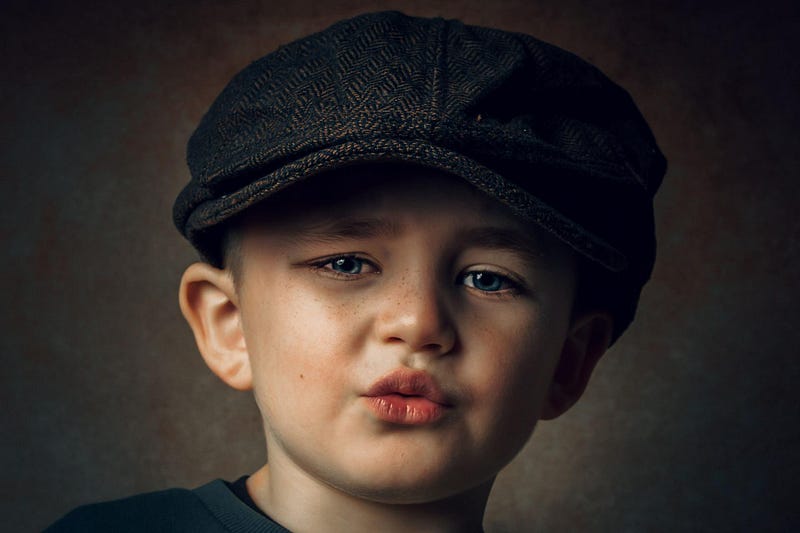
Image by Lee Murry from Pixabay

My 4-year-old grandson drops when the sensation hits him.

It’s difficult to witness and my heartbreak renders me speechless every time. His face screws up and with his tightened jaw, his moans escape through clenched teeth.

He refuses to poop.

Ever again.

I watch the mental game he plays as he wills the urgency away.

This boy crept into his quest slowly about 3 weeks ago. I thought he was being stubborn about potty training, which was a factor, but then it grew into something bigger. I raised my own kids with various other happenings, but never this.

Never this.

He told me it was disgusting.

I went from good cop to bad cop back to good. Crickets all around.

I explained on his level that poop has to come out with only two options. He can push it out or it will be forced out by the doctor or me. He shook his head and insisted that neither would happen.

My grandson is adamant.

He is smart. He put together that eating produces more waste so he cut back. In the beginning stages, his behaviors weren’t dramatic but problematic enough that I started my search. I have never encountered such odd and potentially damaging behavior.

Is this a thing, a condition, or known to anyone?

The good news is, it is known. The bad news is, by the time I found it, the answers supplied were already part of my tactics to get him back on the right road.

And none of them worked.

Stool Withholding

Fairly common?

News to me.

Stool withholding, in which a child avoids having bowel movements, is a fairly common issue that we encounter,” says pediatric gastroenterologist Deborah Goldman, MD. “Kids eventually get toilet trained, but it’s important for parents to address this problem right away because it can lead to other issues down the line.”

I had already implemented all the physical changes I could, simply based on logic. Proper diet, minimal sugar, lots of fiber, potty insert seats with stools in every bathroom, and a consistent routine approach.

The foundation was set for success.

It yielded zero results.

My concern escalated with each passing day. (or not passing day?)

However, I was pleased to discover that it is less common for a serious, physical medical condition to be present.

Per Healthline:

Rarely, a medical condition can be the cause for a kid to stop pooping. Start out assuming your child’s poop probs are more psychological than physical but understand that there may be an underlying reason for stool withholding. This might include:

A gastrointestinal (GI) condition that causes chronic constipation. This could be celiac disease, Hirschsprung disease, irritable bowel syndrome, or even lactose intolerance.

Fecal impaction. If your child is often constipated, they could end up with hardened poop lodged in their colon or rectum, making it impossible for them to go.

Colonic inertia. Call it a lazy colon if you want, but when your GI system doesn’t efficiently move stool along its usual path, it can mess with your ability to go.

Thyroid problems. Constipation is a common symptom of hypothyroidism, a condition in which you don’t make enough thyroid hormone.

Anatomical issues. A malfunctioning part of your child’s anatomy, like a too-tight anal sphincter, for example, could make it physically difficult for their stool to pass. Similarly, pelvic floor dysfunction can also interfere with the body’s ability to bear down and pass bowel movements.

My grandson drinks a lot of water knocking the easiest one of constipation due to dehydration off the list. Other considerations from Healthline include:

  • Constipation
  • Fear of Pain
  • Potty Training Confidence
  • Independence
  • Sensory Processing Disorder

As I dug into their reports, I discovered that stool withholding is usually psychological. In the back of my mind, I knew he was fixated but it’s challenging to get a full-blown explanation from a 4-year-old.

His pediatrician ruled out any physical concerns; his belly is soft and not distended, and he is not constipated as there is some movement that squeaks by his control.

How to Deal with Stool Withholding

Relax and be patient

Some kids respond quickly to stress-free approaches with simple soothing routines like a warm bath or reading a book to entertain themselves while on the potty.

Check your ergonomics

A stable insert toilet seat makes a difference in your toddler’s security. Make sure they are sure-footed with a stool that their feet touch.

Educate them

Find some age-appropriate books that explain how the body works. Take away the mystery and diminish anxiety.

Change their diet

Toddler foods tend to cause constipation. Switch up the mac ‘n cheese and chicken nuggets by introducing more leafy greens, vegetables, and raw fruit. Reduce intake of dairy, carbs, and processed sugar.

Hydrate them

Kids need lots of water during the day. Hydrate them and offer foods with high water counts like watermelon, smoothies, soups, and cucumbers.

If you, like me, exhaust all of the at-home approaches to no avail and the toddler’s condition worsens, schedule a visit with your pediatrician. It’s important to rule out any physical causes so you can isolate and focus on the behavioral modifications if necessary.

Our doctor’s visit today confirmed that no physical abnormalities were present. The catch-22 exists. I’m elated that he was cleared for anything medically serious but I know first-hand how difficult combatting or modifying behavioral patterns can be.

I was told to administer a glycerin suppository and force things along.

I did, it is working, but we have a road in front of us that isn’t clear.

The additional intestinal movement equates to more frequent dropping, wincing, and groaning.

He is still mentally fighting his bodily functions.

It was already gut-wrenching and now with increased incidents of greater distress, I am beside myself to help him. Here I am, once again wondering if his DNA is at work with his mother’s autism.

The magic involved to change a pattern in the brain is daunting.

Autism Influence

My grandson already exhibited sensory sensitivities. Loud or annoying noises, even joyful, continue to have him covering his ears. At times, panic takes over and he scrambles to find cover. His mother had tactile needs and challenges which dictated her clothing choices and food selections.

Why didn’t I consider this?

They have sensory or anxiety issues. Your child may not like the feeling of pooping. This can happen for autistic kids or those with sensory processing disorder. The smell or appearance of poop can also be offensive to some highly sensitive kids. ~ Healthline

To watch him struggle kills me.

He gets out of bed in the middle of the night to drop to the floor. He drops in the middle of the concrete exterior stairs to our new place. My grandson chooses hard surfaces to sit on to fight the process. He denies hugs, comforting, or back rubbing.

The physical causes are under control. The psychological ones are not.

I suspect my grandson will work it out when he’s ready.

Literally and figuratively.

Want to keep reading? Join here for access to thousands of writers and their library of stories.

Substack | Simily | Kindle Vella Nonfiction | Kindle Vella Fiction

Copyright © 2022 Lisa Gerard Braun. All rights reserved.

Parenting
Mental Health
This Happened To Me
Toddlers
Life
Recommended from ReadMedium