
TRAVEL MEMOIRS
My Struggle to the Top of Mount Kilimanjaro
It was the toughest challenge I had ever faced but could I do it?
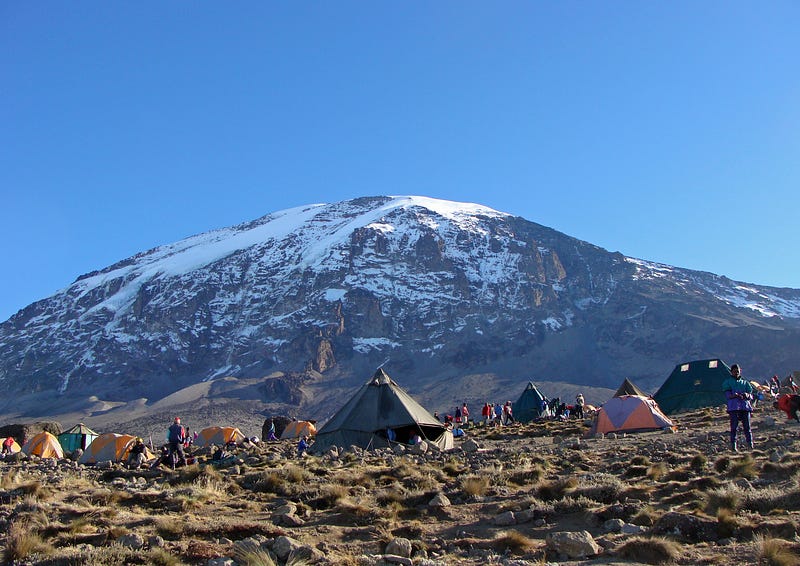
I was done. Feeling defeated. I couldn’t quiet my inner voice as I tried to cling to the remnants of my confidence. But we kept moving — polepole, which means slowly in Swahili. One foot in front of the other, like a death march.
The hardest part was the mental punishment. I tried to remain positive but at this point, it was almost impossible. I felt like I was at the end of my journey and I knew that our guides were deciding whether I would have to go down the mountain. But still, I kept moving.
I was a late bloomer. I didn’t really begin to live my best life until I was in my late forties.
You could call it a midlife crisis but I upended my life because I knew there was more out there than working five days a week with just a few weeks of vacation every year. I needed a change.
An epic change.
When my mother passed away in late 2007, I decided to try the things I had only dreamed about but had never attempted partly out of fear but mainly from a lack of self-confidence.
For my first challenge, I decided to trek to the summit of Mount Kilimanjaro in Africa.
Go big or go home.
It would be the biggest trip I had ever taken and it was the first time that I would test my body’s limits. I trained hard physically and mentally, determined to face the challenge head-on. While I knew it wasn’t going to be easy I had no idea about the obstacles that lay ahead.
I was part of a group of thirty people from across Canada. We were all fundraisers with the Canadian Arthritis Society’s Joints in Motion program and had each earned this once-in-a-lifetime opportunity to trek to the top of the highest mountain in Africa. Each of us had raised more than ten thousand dollars for the program.
The group of thirty was divided into two groups of fifteen and each of those groups would be supported by a guide, four assistant guides, a cook, two additional kitchen help, and forty-five to fifty porters to carry our backpacks, tents, and sleeping bags, as well as the latrine, kitchen, the dining tent, and the food to last us for the week-long trek.
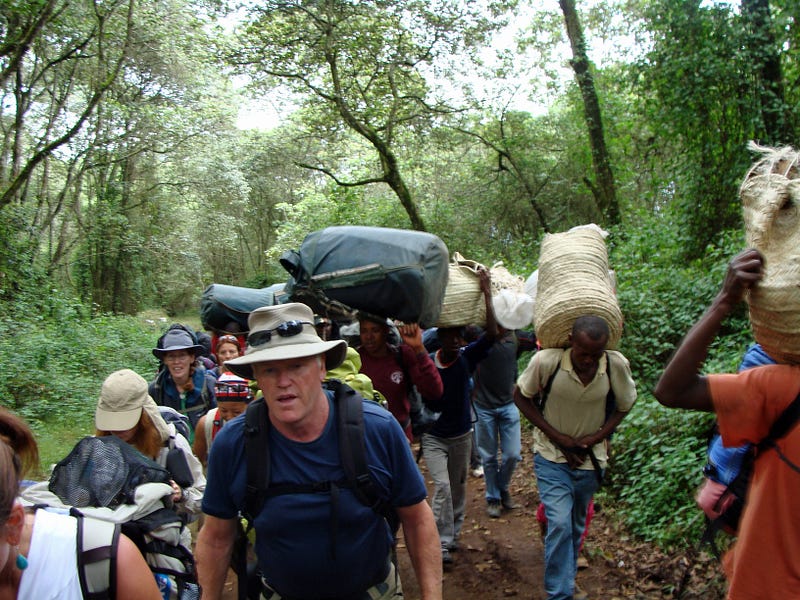
The first day was relatively easy which was a big boost to everyone’s confidence. Our second day was more of a challenge.
There was a light but steady mist falling as we hiked through the clouds, among bearded heather, tall grasses, and volcanic rock. The terrain was all uphill and it was steep. There were places where we had to climb hand over hand, holding onto the sharp rocks which had become slippery by the mist. I had always been afraid of heights and this was testing my nerves. There were a few cliffs that I moved past, staying as close to the wall of rocks and as far away from the edge as possible. When I wasn’t looking down in fear, I was able to enjoy the spectacular scenery.
By the time we stopped for a water and snack break, I was feeling strong. I nibbled on one of the protein bars I brought from home to give me some energy for the final push to Shira Camp.
A couple of hours later as we started to descend to the camp, I started feeling nauseous. My stomach was rumbling and at one point I realized I had to step away from the group. I moved to a rocky plateau and lost my lunch.
I don’t get sick very easily so this was unusual for me. My biggest fear was altitude sickness. I had been taking the prophylactic medication and while we were now at just over 12,000 feet, there was still a long way to go before the summit.
I wondered if it could be the heavier diet I had been eating since arriving in Africa. When I trained for the adventure, I had been eating clean. Lots of fresh fruit and vegetables, lean meat, and no heavy sauces. Completely the opposite of what I was now eating.
I wondered too if it could be bad water. The kitchen staff boiled up gallons of water that we used to fill our bottles and Camelbaks each day. But no one else was sick so I dismissed that possibility.
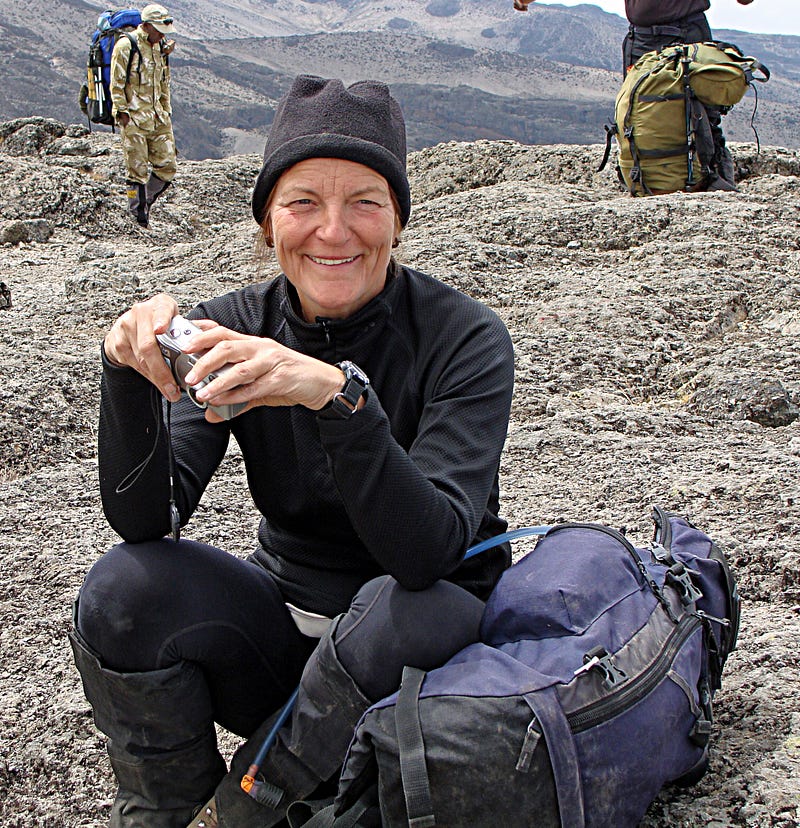
The travel coordinator and our head guide came over to help me. When I was able to stop vomiting they told me I would have to eat as soon as I got back to camp. That was the last thing I wanted to do. Luckily one of the other trekkers had some dry chicken noodle soup that I was able to mix with hot water and eat with some dry toast. As I ate, the smell of the curry that the others were eating was almost too much.
I kept telling myself that I wasn’t going to let this defeat me. I had worked too hard to prepare for this trip. Our travel coordinator reassured me that people get sick all the time and it doesn’t mean that I won’t be able to reach the summit.
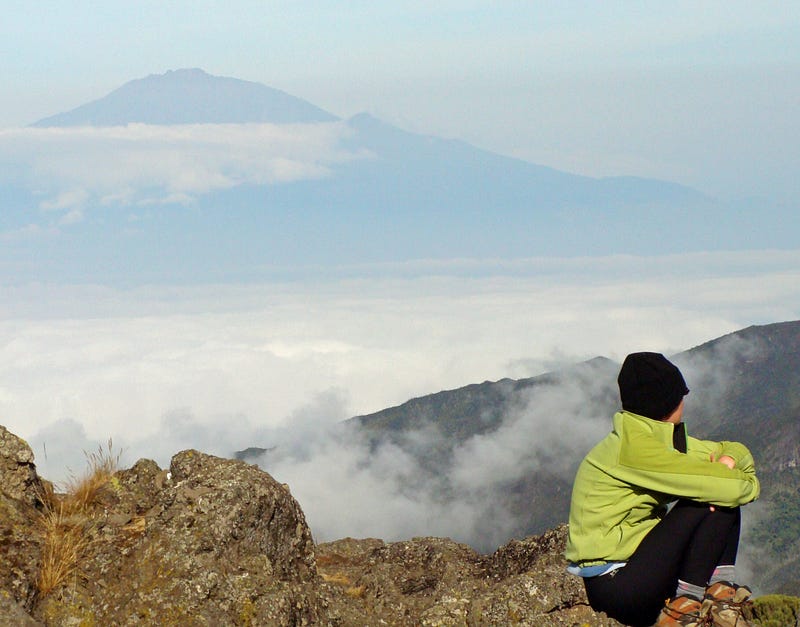
The next morning I felt better than I expected. I had a solid sleep and was able to get some of my strength back which gave me the confidence for the next leg. I decided that I would skip the heavy breakfast and just stick with my protein bar. I also drank as much water as I could because we had about six hours of hiking ahead of us, all of it up a steep hill through rocks and shrubs. We had the option of going to the Lava Tower before we got to Barranca Camp although I didn’t think I was strong enough for that yet.
About an hour into the hike, the nausea hit me again. I was shocked because I always believed I had an iron stomach. I tried to fight the nausea as long as I could but soon realized it was a losing battle. When I vomited I lost every ounce of water, nutrition, and energy I had in me. I tried sipping some water because I knew I couldn’t stomach anything else. One of the assistant guides and a porter stayed behind with me but we soon fell far behind the rest of the group.
When we started this climb we were told to remember the word polepole. As the oxygen got thinner, we had to move slower and slower to conserve our oxygen. While that was supposed to apply to the final push to the summit, I put it into practice on day two.
I kept telling myself to put one foot in front of the other. It was actually better to keep moving than to stand still which would cause my stomach to churn again.
I had small goals. Just get to the next rock outcropping without getting sick. And then get to the next rest stop. But could I make it to camp? I had no energy left and a few times I had to lean on my guide and the porter just to keep from falling down as I stumbled across the rocks.
When my eyes would start closing, they would yell out to me, “Do not sleep. Do not sleep.”
I was completely beaten down and as we hiked up yet another ridge, I turned my head off the path and got sick again. I no longer had the energy to even step aside. And at that point, I had nothing left in me, emotionally and physically.
It was now just the dry heaves and that’s when I started to feel defeated. It was impossible to stop my inner voice from destroying what remained of my self-confidence. But we moved slowly, one foot in front of the other, like a death march. I was completely dehydrated and blisters had formed on my lips and cankers inside my mouth. Every muscle in my body ached and my eyes were burning.
But I wasn’t quite done yet.
I managed to swallow a few sips of water and as I did, we heard a loud rumbling in the distance and witnessed a spectacular rockslide. Huge plumes of dust rose as boulders rolled down the side of the mountain. Somehow I managed to get out my camera and snap a photo. Africa’s beauty was awe-inspiring and I told my guide and porter that I was ready to move on.
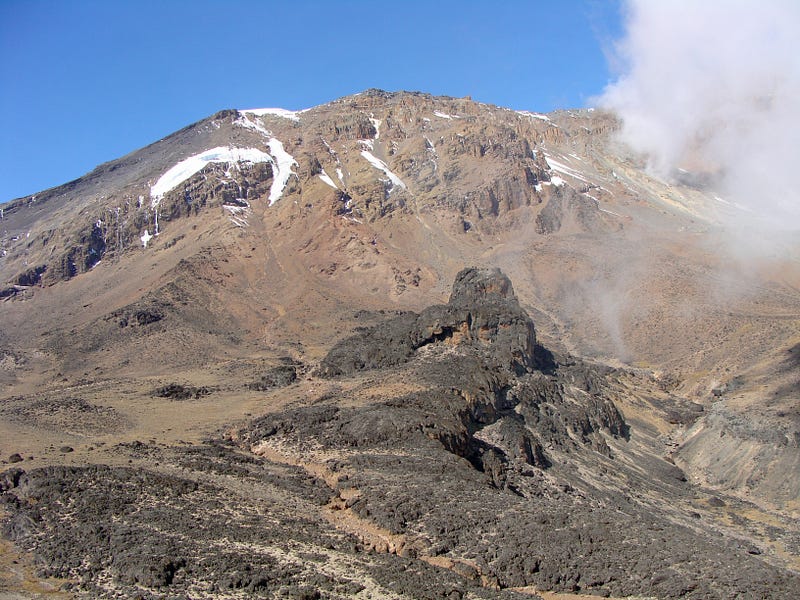
So we began again. One step at a time moving toward the smoke from the fire at our next camp. We had been walking for more than nine hours when I finally stumbled into the camp. Everyone from the team came running over to me and we had an emotional group hug. It was empowering but I knew inside that it would be almost impossible for me to continue with so much more still ahead.
I just wanted to sleep but the head guide and the travel coordinator were back at my side telling me that my only hope of reaching the summit was to eat and drink something. They brought me tomato vegetable soup, a tomato salad, and four pieces of toast. I almost gagged with every bite but my tent-mate kept encouraging me to keep eating until I was finished.
While it did give me a bit more strength I decided to give my tent-mate my share of the tips for the porters because I was almost positive I wouldn’t be able to continue. I turned over and with tears in my eyes, I started to drift off to sleep, hoping and praying that I would improve enough by morning to continue the trek.
I couldn’t believe it when I opened my eyes the next morning. I felt rested and totally refreshed. Our travel coordinator called out to me, asking how I was feeling. When I responded, “Much better,” our whole group started applauding and cheering.
I decided that my diet was going to change. One of the other trekkers gave me his protein powder, my usual breakfast back home, and I was able to eat some toast. That wasn’t the kind of nutrition that our guide thought I should have, but I argued that I was getting protein, carbs, vitamins, and minerals to help me keep moving.
It was an exhilarating day as we climbed, hand over hand, up the Barranco Wall, an almost vertical rock face. It was slow going but I did it.
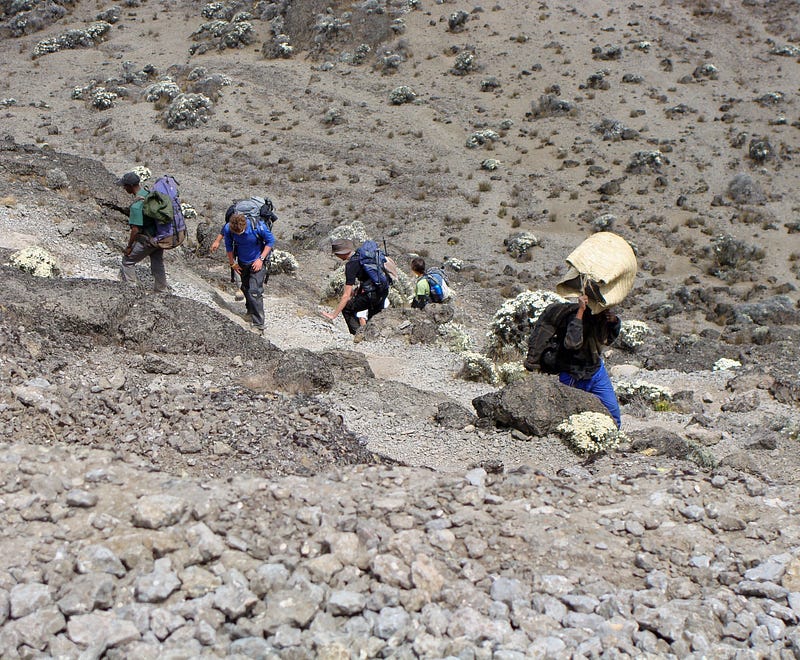
The entire group was so supportive, giving me the encouragement I needed for the rest of this journey. I had to conserve every ounce of energy I had left so I skipped all of the optional hikes which gave me more time to rest my battered body.
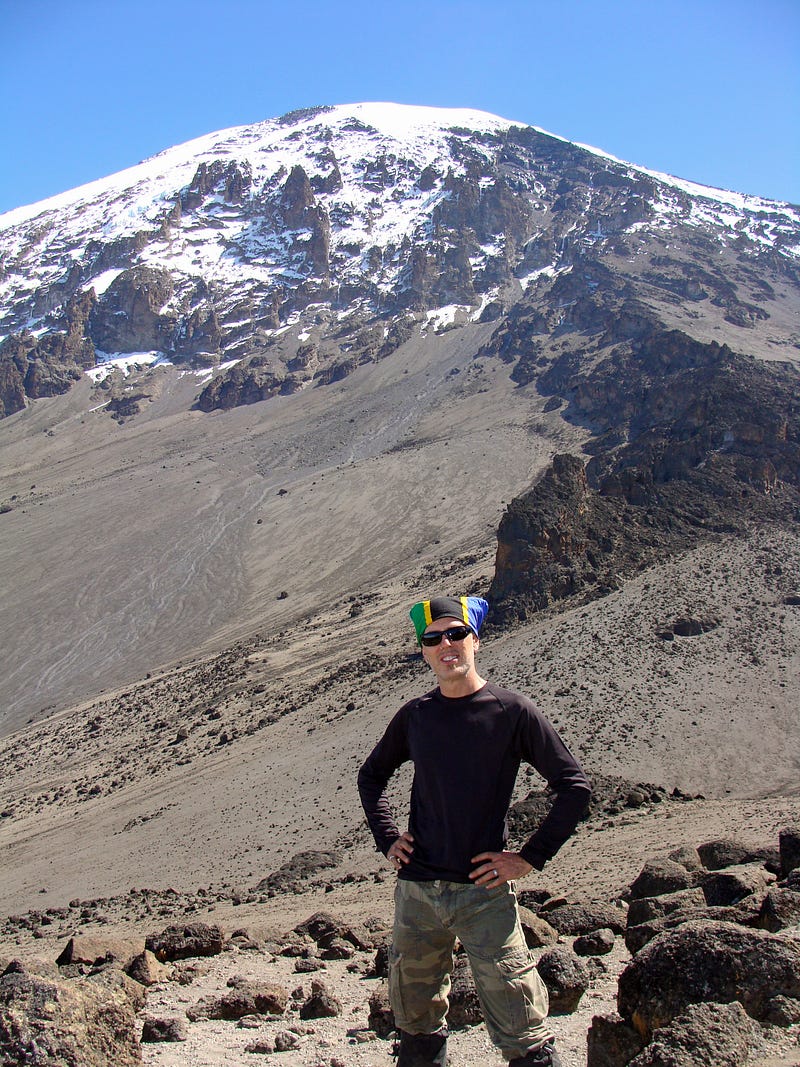
Our final day would mean we would all nap after lunch, wake up for an early dinner, and then grab a few more hours of sleep before we started the trek to the summit just before midnight.
It was dark and cold when I awakened but I put on all of my warmest gear, minus my down-filled vest that I had lost along the way. That would make it colder and more difficult.
The final push to the summit was harder than anyone expected. Everyone in the group had their own challenges to overcome. It would be our longest day yet and we would be climbing about five-thousand feet all at once. It would also be the biggest altitude change we had faced. We were constantly reminded to walk polepole.
Not everyone in our group made it. The altitude resulted in one woman being rushed back down to our last camp.
But I kept moving. Polepole. I tried to keep my mind busy remembering family and friends back home. Anything that kept my feet moving one foot in front of the other. We must have all looked like half-comatose zombies as we made our way over the rocks and gravel while the temperature continued to drop. My fingertips were numb and my water bottle was ice cold. I put some hot packs in my pocket with the bottle but that didn’t work. Apparently, there wasn’t enough oxygen at that altitude to fuel the chemical reaction in the hot packs.
Body heat did keep the water fluid enough to drink, but it was like drinking a Slurpee on a cold winter day. At our last stop before the summit, several people in the group were wondering how they could go on. I was one of them.
We had already exhausted our energy reserves. We were cold, tired, sore, and we were all feeling the effects of the altitude. We did learn a new Swahili word and it would be one we would learn to dread that day. Twende, which means let’s go. While we were still trying to catch our breath, the guides would be urging us not to stop and to keep going. Twende, twende!
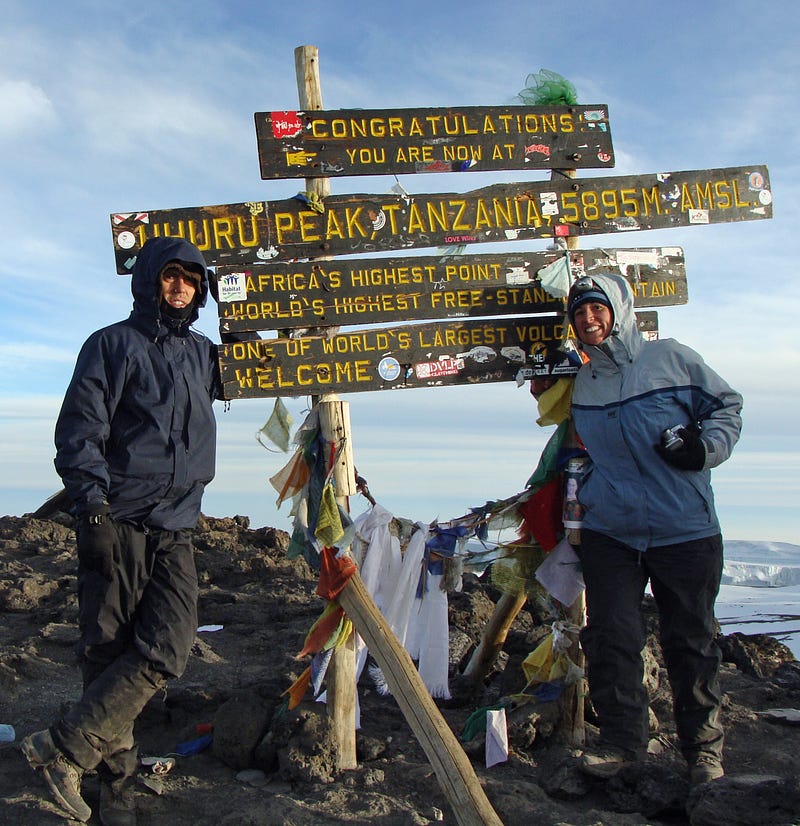
As I moved the final few meters toward the summit, I began to choke back the tears. I started to sob as I thought about everything I had just accomplished. Just two days ago, I believed my trek was over. But I pushed myself beyond my limits. As we hugged each other I realized I wasn’t the only one who was emotional. Maybe it was the altitude but we each had achieved an amazing accomplishment and battled our demons along the way.
This adventure would test my physical and mental limits. I had overcome the biggest challenge of my life. At the age of 47, I finally realized I could do anything I set my mind to.
Post script: A couple of months after I returned home from that trip I received a letter from the retailer where I purchased most of my trekking equipment. And the protein bars I brought with me. The letter was to advise me that the protein bars were part of a massive peanut recall in the U.S., which had resulted in an outbreak of Salmonella.
I had been re-infecting myself every day, thinking I was doing the right thing.!
Thank you for reading.