avatarJordan Fraser

Free AI web copilot to create summaries, insights and extended knowledge, download it at here

4813

Abstract

r book into a top 10 list for your genre.</p><p id="5baf">It’s fairly underhanded, but a lot of websites and blogs that recommend top 10 self-published books in different genres are doing so in exchange for money. I took part in some of those shenanigans, and it worked out well. I also utilised Twitter.</p><p id="6580">Twitter is great for self-published authors because of the amount of support there is on the platform. There are so many groups of people in all genres coaching each other and pushing each other up.</p><p id="e01b">Every time I’ve tweeted a link to one of my books, I’ve had it re-tweeted dozens of times by people who are part of my various circles on the app and are supporting me. It’s a great feeling because you often feel alone as you stand in your corner of the internet and scream about your book to no-one.</p><h2 id="6d8d">My Strategy</h2><p id="2bef">My initial strategy for Amazon was writing non-fiction books about various times of my life.</p><p id="65a0">My time spent working at Disney World, my time spent working on cruise ships, and my first year in China were all turned into books.</p><p id="c69d">My first was quite successful but was hated by readers, so I took it down because I couldn’t handle the bad reviews. The other two books were largely ignored.</p><p id="65b2">After years of putting out non-fiction and having a really hard time making any money, I tried out a strategy that’s fairly well-known in the industry. I became a romance-peddling machine, and it worked. Here’s what I did.</p><p id="2c44">I made a fake author name, found a stock image photo, and made up a biography for my new self. I made a Twitter account under that name and built up a following by supporting others and generally being internet-charming.</p><p id="de2f">I knew I was going to write short romance stories, but beyond that, I had to pick two sub-genres. For this to work you need to combine two elements of romance. Things such as sexual orientation, kinks, pleasures, fantasies, genres, and anything else that people love.</p><p id="c338">I combined gay with science fiction. Once I had that, I wrote an entire universe and created a post-apocalyptic backstory that I detailed on a Wordpress website I whipped up and bought a domain name for.</p><p id="7e77">I fleshed out the website with lore and story elements that would make the readers feel completely immersed in the world I was creating.</p><p id="0087">My next step was to go on Fiverr and find an illustrator. Amazon has a cover design tool, but the design choices are awful. Instead, I found an illustrator who would create all my covers for $5 each, but I had to promise to buy lots of them. A deal was struck.</p><figure id="50be"><img src="https://cdn-images-1.readmedium.com/v2/resize:fit:800/1*65s6554URbZilzgDWDh1bg.jpeg"><figcaption>Photo by <a href="https://unsplash.com/@jeshoots?utm_source=unsplash&amp;utm_medium=referral&amp;utm_content=creditCopyText">JESHOOTS.COM</a> on <a href="https://unsplash.com/s/photos/strategy?utm_source=unsplash&amp;utm_medium=referral&amp;utm_content=creditCopyText">Unsplash</a></figcaption></figure><p id="ee47">Because of our deal, I had to buy ten covers at a time, so I had to pre-plan all of my books well ahead of time.</p><p id="47d1">I had two storylines taking place within the universe I’d made, so I wrote a general outline for myself, created names for each of the books, then sent the names and my vision to the designer.</p><p id="ed13">While he worked, it was time to write the books. Each book was between 3,000–5,000 words long, and all were written within a day.</p><p id="9c33">Each book would be saved in a folder until the cover art was ready, then uploaded to Amazon.</p><p id="03eb">I’d never upload more frequently than one book a day. I’ve heard that adding books at a regular pace helps the Amazon algorithm get to know you and favour you in search results.</p><p id="6cb6">So each day I uploaded a book and also wrote blog entries onto the website. The blog posts were mini-stories that pulled you into the world I’d built and make you curious for more.</p><p id="1f32">While you’re reading the mini-stories, you can see the cover art of all the available books around the screen.</p><p id="14e7">Once I had built up enough books on Amazon, I’d start putting the first entry in each series on sale to get customers hooked. Sometimes I’d put an entire series on sale to try and get multiple purchases.</p><p id="46fb">Amazon will automatically bundle your books together for customers, so sometimes you get multiple sales from that.</p><p id="7dcb">I found that the Christmas season was especially wonderful for sales, so I wrote two Christmas specials that would hook in readers and get them attached to my style. Some would then convert t

Options

o regular readers throughout the year.</p><p id="638f">Earlier I mentioned that Kindle Unlimited was important for my success, and here’s why. Not many people want to pay for a book that’s as short as mine are, but if the customer has KU, they have no barrier to trying it.</p><p id="df65">KU pays the author a royalty per page that’s read by the subscriber, and KU subscribers love to read. So while regular sales were usually quite low, I’d have hundreds or sometimes thousands of pages a day read as part of the KU program.</p><figure id="a416"><img src="https://cdn-images-1.readmedium.com/v2/resize:fit:800/1*AgHClKqVbgWRiCV8Z_pi0A.jpeg"><figcaption>Photo by <a href="https://unsplash.com/@boab?utm_source=unsplash&amp;utm_medium=referral&amp;utm_content=creditCopyText">Mark Fletcher-Brown</a> on <a href="https://unsplash.com/s/photos/strategy?utm_source=unsplash&amp;utm_medium=referral&amp;utm_content=creditCopyText">Unsplash</a></figcaption></figure><h2 id="33be">Why it Worked</h2><p id="bcac">The reason my books worked is that they picked a niche, and they stayed loyal to it.</p><p id="ee28">The niche only served a very specific type of person, but it served them well.</p><p id="014f">Each customer I attracted was worth a lot of money because they’d read one book and keep coming back for more. The books were … spicy, so people who read their erotic fantasies rather than watched erotic films were kept very satisfied.</p><p id="2214">Each book on its own had almost no value, but collectively they could generate a decent amount of money.</p><p id="9834">Each of my books contained links to my website at the beginning and the end, so readers could go to the site and discover the lore. If they did, they’d become even more hooked and more likely to binge more.</p><p id="6c02">Eventually, my passion for this project dwindled. I stopped publishing daily and fell to weekly, then monthly, and now not at all. It wasn’t as though the project wasn’t worth my dedication, I simply lost interest when Fiverr and eventually Medium started taking up more of my time.</p><p id="d29f">Now that I don’t publish regularly my sales are far down, only really spiking each December. But I’m sure that if I were to return and start publishing weekly again, I could charm the algorithm once more.</p><figure id="12f0"><img src="https://cdn-images-1.readmedium.com/v2/resize:fit:800/1*bioh69K7_vRZXp9LvDzi9Q.jpeg"><figcaption>Photo by <a href="https://unsplash.com/@craftedbygc?utm_source=unsplash&amp;utm_medium=referral&amp;utm_content=creditCopyText">Green Chameleon</a> on <a href="https://unsplash.com/s/photos/writing?utm_source=unsplash&amp;utm_medium=referral&amp;utm_content=creditCopyText">Unsplash</a></figcaption></figure><h2 id="966f">Takeaway</h2><p id="35fe">When writing your books for Amazon, pick a niche and stick to it hard; and in my experience, it pays to have a large number of books rather than large books.</p><p id="a18a">Engross the reader in your world, and they’ll be loyal to you and commit to your material. The more material you have for each customer to explore, the more money you’ll make.</p><p id="53dc">So make sure you choose a genre you can really commit to and know a lot about. Passion is the road to royalties. And although it may kill you, marketing is critical for Amazon success. If you ever needed a reason to try Twitter, this is it.</p><p id="1566">Thank you so much for taking part in the third workshop in the series. Join me again in two days for the next <a href="https://readmedium.com/presenting-the-2020-quarantined-income-workshop-series-4ee2deea4d5b">Quarantined Income Workshop</a>.</p><div id="16e9" class="link-block"> <a href="https://readmedium.com/how-to-make-real-money-on-fiverr-aacf50158c13"> <div> <div> <h2>How to Make Real Money on Fiverr</h2> <div><h3>Quarantined Income Workshop #1</h3></div> <div><p>medium.com</p></div> </div> <div> <div style="background-image: url(https://miro.readmedium.com/v2/resize:fit:320/1*FWCtukbt5AiPrgZJbzZ0ug.jpeg)"></div> </div> </div> </a> </div><div id="c910" class="link-block"> <a href="https://readmedium.com/making-real-money-on-upwork-24e44f05391a"> <div> <div> <h2>Making Real Money on Upwork</h2> <div><h3>Quarantined Income Workshop #2</h3></div> <div><p>medium.com</p></div> </div> <div> <div style="background-image: url(https://miro.readmedium.com/v2/resize:fit:320/1*jr6_sETo80Nxgd4mTByf8g.jpeg)"></div> </div> </div> </a> </div></article></body>

My Strategy for Success with Kindle Direct Publishing

Quarantined Income Workshop #3

Photo by Matt Lamers on Unsplash

Today is the third instalment of the Quarantined Income workshop series, and we’re going to discuss what is possibly the most fought about side-hustle on the internet; self-publishing your novel.

Writers have been arguing about self-publication since the invention of print on demand (POD) and the eventual rise of ebooks.

On one side of the argument were traditionally published authors who stood on the high ground, peering down at the untested, unproven masses. On the other side were self-published authors who’d pretend that they’d never wanted to be traditionally published in the first place.

In the middle of the two sides were rational people and self-published successes. The rational people were writers who were self-publishing, but had dreams of traditional publication for their future. They weren’t bitter about where they were and were hopeful for where they were going.

The self-published successes were people who had found a way of making a comfortable living through self publication and had no intention of changing their method. These were the people that had found a strategy that worked, and today I’ll be telling you mine.
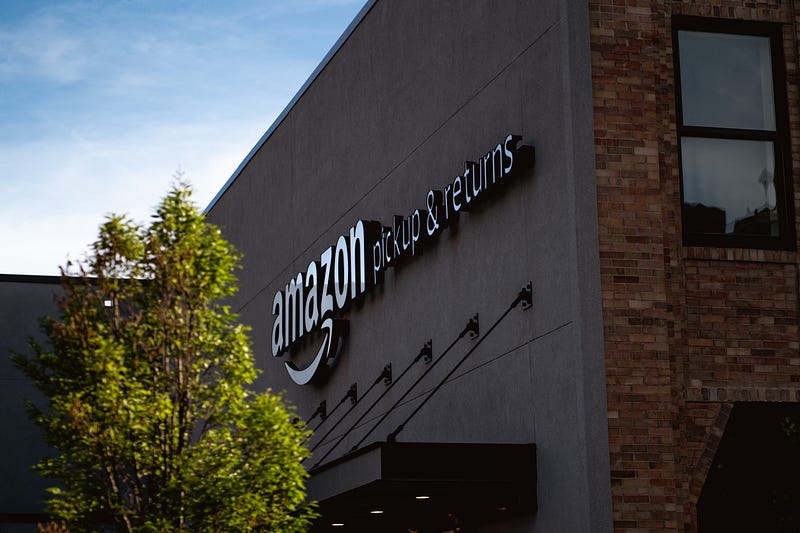
Photo by Bryan Angelo on Unsplash

Choosing Your Platform

The major seller of ebooks after all these years is still Amazon, but every year it’s getting more and more difficult for self-published authors on the platform to be found by potential readers.

Amazon is ridiculously crowded, but it’s still the best option. There are other avenues such as Smashwords, but when you use Smashwords, you lose out on a big bonus that you could otherwise take advantage of with Amazon.

Smashwords is a service through which you can self-publish your book and distribute it to lots of different channels. These include Barns and Noble, Apple Books, and many others. If you decide to distribute through Smashwords, you can still use Amazon at the same time, but you can’t use Kindle Unlimited (KU).

KU is for books what Netflix is for TV binging. When a customer pays for KU, they’re paying a monthly subscription fee to read as many ebooks as they want across Amazon’s Kindle store (but only books that are enrolled in the program).

Each of your books can be enrolled into the KU program, and can, therefore, be read by readers who pay the subscription fee, but there’s a catch. Your books can only be enrolled if they don’t exist anywhere else on the internet (meaning no Smashwords).

For me, KU has been very valuable, so my books are only on Amazon. But even before KU, I didn’t find that Smashwords sold anywhere near as many books as Amazon, even though they distribute to lots more channels.

Once you’ve decided on your method of distribution, you’re going to need an angle. It’s really hard to be seen on Amazon, so more than on any other platform, you really need to market yourself.
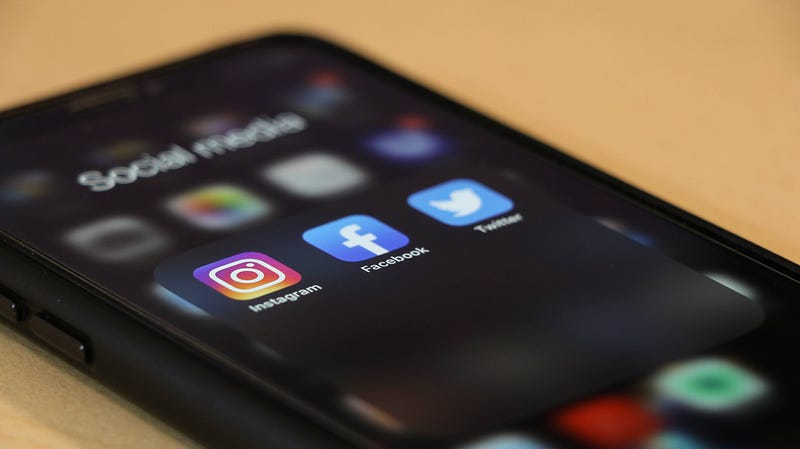
Photo by dole777 on Unsplash

Standing Out

I really hate the marketing element of having a hustle, so I don’t do it often. But with self-publishing, I really didn’t have a choice.

The one form of marketing I did utilize was finding and paying websites that will put your book into a top 10 list for your genre.

It’s fairly underhanded, but a lot of websites and blogs that recommend top 10 self-published books in different genres are doing so in exchange for money. I took part in some of those shenanigans, and it worked out well. I also utilised Twitter.

Twitter is great for self-published authors because of the amount of support there is on the platform. There are so many groups of people in all genres coaching each other and pushing each other up.

Every time I’ve tweeted a link to one of my books, I’ve had it re-tweeted dozens of times by people who are part of my various circles on the app and are supporting me. It’s a great feeling because you often feel alone as you stand in your corner of the internet and scream about your book to no-one.

My Strategy

My initial strategy for Amazon was writing non-fiction books about various times of my life.

My time spent working at Disney World, my time spent working on cruise ships, and my first year in China were all turned into books.

My first was quite successful but was hated by readers, so I took it down because I couldn’t handle the bad reviews. The other two books were largely ignored.

After years of putting out non-fiction and having a really hard time making any money, I tried out a strategy that’s fairly well-known in the industry. I became a romance-peddling machine, and it worked. Here’s what I did.

I made a fake author name, found a stock image photo, and made up a biography for my new self. I made a Twitter account under that name and built up a following by supporting others and generally being internet-charming.

I knew I was going to write short romance stories, but beyond that, I had to pick two sub-genres. For this to work you need to combine two elements of romance. Things such as sexual orientation, kinks, pleasures, fantasies, genres, and anything else that people love.

I combined gay with science fiction. Once I had that, I wrote an entire universe and created a post-apocalyptic backstory that I detailed on a Wordpress website I whipped up and bought a domain name for.

I fleshed out the website with lore and story elements that would make the readers feel completely immersed in the world I was creating.

My next step was to go on Fiverr and find an illustrator. Amazon has a cover design tool, but the design choices are awful. Instead, I found an illustrator who would create all my covers for $5 each, but I had to promise to buy lots of them. A deal was struck.

Photo by JESHOOTS.COM on Unsplash

Because of our deal, I had to buy ten covers at a time, so I had to pre-plan all of my books well ahead of time.

I had two storylines taking place within the universe I’d made, so I wrote a general outline for myself, created names for each of the books, then sent the names and my vision to the designer.

While he worked, it was time to write the books. Each book was between 3,000–5,000 words long, and all were written within a day.

Each book would be saved in a folder until the cover art was ready, then uploaded to Amazon.

I’d never upload more frequently than one book a day. I’ve heard that adding books at a regular pace helps the Amazon algorithm get to know you and favour you in search results.

So each day I uploaded a book and also wrote blog entries onto the website. The blog posts were mini-stories that pulled you into the world I’d built and make you curious for more.

While you’re reading the mini-stories, you can see the cover art of all the available books around the screen.

Once I had built up enough books on Amazon, I’d start putting the first entry in each series on sale to get customers hooked. Sometimes I’d put an entire series on sale to try and get multiple purchases.

Amazon will automatically bundle your books together for customers, so sometimes you get multiple sales from that.

I found that the Christmas season was especially wonderful for sales, so I wrote two Christmas specials that would hook in readers and get them attached to my style. Some would then convert to regular readers throughout the year.

Earlier I mentioned that Kindle Unlimited was important for my success, and here’s why. Not many people want to pay for a book that’s as short as mine are, but if the customer has KU, they have no barrier to trying it.

KU pays the author a royalty per page that’s read by the subscriber, and KU subscribers love to read. So while regular sales were usually quite low, I’d have hundreds or sometimes thousands of pages a day read as part of the KU program.
Photo by Mark Fletcher-Brown on Unsplash

Why it Worked

The reason my books worked is that they picked a niche, and they stayed loyal to it.

The niche only served a very specific type of person, but it served them well.

Each customer I attracted was worth a lot of money because they’d read one book and keep coming back for more. The books were … spicy, so people who read their erotic fantasies rather than watched erotic films were kept very satisfied.

Each book on its own had almost no value, but collectively they could generate a decent amount of money.

Each of my books contained links to my website at the beginning and the end, so readers could go to the site and discover the lore. If they did, they’d become even more hooked and more likely to binge more.

Eventually, my passion for this project dwindled. I stopped publishing daily and fell to weekly, then monthly, and now not at all. It wasn’t as though the project wasn’t worth my dedication, I simply lost interest when Fiverr and eventually Medium started taking up more of my time.

Now that I don’t publish regularly my sales are far down, only really spiking each December. But I’m sure that if I were to return and start publishing weekly again, I could charm the algorithm once more.

Photo by Green Chameleon on Unsplash

Takeaway

When writing your books for Amazon, pick a niche and stick to it hard; and in my experience, it pays to have a large number of books rather than large books.

Engross the reader in your world, and they’ll be loyal to you and commit to your material. The more material you have for each customer to explore, the more money you’ll make.

So make sure you choose a genre you can really commit to and know a lot about. Passion is the road to royalties. And although it may kill you, marketing is critical for Amazon success. If you ever needed a reason to try Twitter, this is it.

Thank you so much for taking part in the third workshop in the series. Join me again in two days for the next Quarantined Income Workshop.

Money
Business
Entrepreneurship
Writing
Hustle
Recommended from ReadMedium