
My Standing Rock Presentation to a Seventh Grade Class in the Fall of 2016
Introduction
Hi! I’ve been to Standing Rock in North Dakota twice… once in September and once in November (2016). There is a conflict happening there between an oil pipeline and Native Americans and their allies who are opposed to the pipeline. In this presentation, I will explain the conflict, and also share some of my experiences.
My husband and I went to Standing Rock with the intention to be as respectful to the people and the culture as we could. We were stepping into the situation with no ulterior motives. Historically, this was not the norm. There would have been hidden agendas; such as religious conversion, or to gain control of an area to exploit natural resources.
We had three goals during our initial short trip. 1) To erect our tent at camp as visual proof of our support of the Water Protectors. 2) To physically help out at camp with whatever was needed. 3) To learn more about the cause.
Missouri River
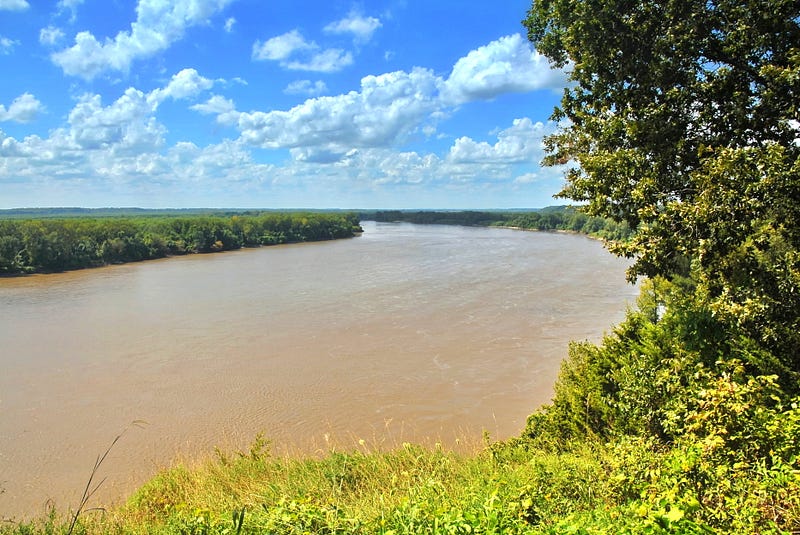
This is the longest river in North America. It starts in The Rocky Mountains of Montana, and ends when it converges with the Mississippi River near St. Louis, Missouri.
In lower, central North Dakota, the Missouri River runs along the Standing Rock Sioux reservation. Lewis and Clark traversed this river during their Corps of Discovery expedition in 1804.
In the 1960’s, dams were built on the river by the Army Corps of Engineers, which caused the river to swell near Standing Rock. That reservoir is called Lake Oahe.
The Cannonball River is a tributary of the Missouri River.
Standing Rock Sioux
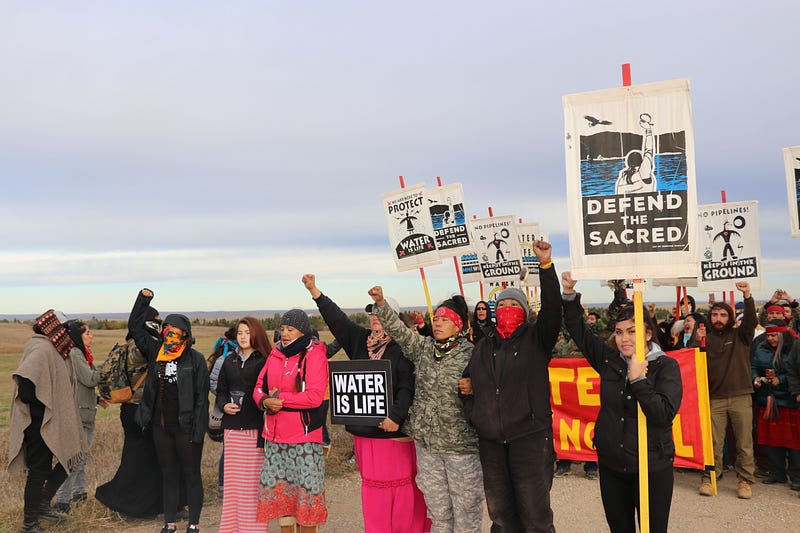
This is the name of the tribe that lives on the reservation close to the DAPL pipeline route. Standing Rock’s water source is the Missouri River, which is the river that the oil pipeline would be running beneath. If an oil spill were to occur, it would flow downriver and contaminate the water used by 17 million people living downstream, including this tribe.
The Standing Rock Sioux Tribe is part of the larger Lakota Nation.
Water Protectors
Tribal members and their allies in this movement prefer to be called Water Protectors, rather than protestors. In part, this is because protecting the water is the primary goal. Traditionally, the women of the tribe are considered the water protectors, but this particular fight is so monumental that many other members are engaged in protecting the water.
This includes Two-Spirit people, which is a term used to describe LGBTQ+ people. Some Native American tribes consider Two-Spirit people to have an enlightened perspective because they embody a more even balance of masculine and feminine values. It’s useful to keep in mind that there are many different tribes, and each has its own traditions. But in general, Two-Spirit people are traditionally honored and revered, not merely tolerated. These people are proudly represented at the oil opposition camps.
Dakota Access Pipeline
Or “DAPL”. It’s the name of the project and the pipeline, in partnership with Enbridge and Energy Transfer Partners. This is a 1,172 mile-long pipeline project, transporting 570,000 barrels of oil per day. The oil would come from the Bakken oil fields in northwestern North Dakota, through South Dakota and Iowa, to Illinois. DAPL hope for work to be completed by the first of the year (2017). The project costs 3.7 billion dollars. DAPL needed permits from each state. Iowa was the last permit DAPL needed, and that permit was granted in March of this year (2016). Tribal opposition to the pipeline began in April.
The original route of the pipeline was proposed to be running north of Bismark, ND, around the east side of Bismark and then south from there. With that route, the pipeline would’ve crossed under the Missouri River one time. But the residents of Bismark protested this route because they were concerned about oil leaks.
So DAPL rerouted, south of Bismark, on land closer to the reservation where Standing Rock tribal members live. This new route requires DAPL to cross under the river two times.
ReZpect Our Water
In the spring of this year, a small group of young tribal members ran all the way to Wahington DC with a petition in order to bring attention to pipeline opposition.
In many ways, this movement was started by young people… teenagers and young adults. Many of the elders of the various tribes support the efforts of the youth fighting to keep the water clean.
Sacred Stone Camp
Sacred Stone Camp is the piece of property where the original Water Protectors camped while opposing the pipeline. This is on private land owned by LaDonna Bravebull Allard. She is a leader in the NODAPL movement.
Oceti Sakowin
This is the name of the overflow camp that was established once Sacred Stone camp was full. Oceti Sakowin means Seven Council Fires. Oceti Sakowin was the term used when seven tribal groups came together in 1876 in the Battle of the Greasy Grass. United States history typically refers to this as the Battle of Little Bighorn. The tribes united to fight against the US military after being forced off their treaty lands.
Today, Oceti Sakowin has become the main camp where tribes from across the country and beyond have come together to oppose the new pipeline. The main road that leads into the camp is lined with the flags of the many tribes who are standing in solidarity with Standing Rock. Never before in history have this many tribes united to support one another for such a cause. Non-native allies are also staying at the camp to offer help and/or participate in “direct action”.
Crazy Horse Prophecy
Crazy Horse was a Native American who belonged to the Oglala Lakota tribe. He was born in 1842 and was killed in 1877. His prophecy claims that in seven generations from his time, all of the tribes and people from all walks of life would come together and stand united under the Sacred Tree. Another prophecy mentions people coming together to try to kill the “Black Snake”. Many people refer to the pipeline as the Black Snake because of this. People also believe that what is happening at Standing Rock is evidence that the prophecy of Crazy Horse is now happening, and that the Native youth who started the opposition to the DAPL pipeline IS the seventh generation from the time of the Crazy Horse prophecy.
Tribes Coming Together
Over 300 tribes are represented at Oceti Sakowin camp. When I attended a meeting for volunteers at the camp, the leaders of the meeting made a point to remind us that this has been the first time ever that this many tribes and other allies have come together, and they told us that we were participating in a major historical event.
Prayer Marches
Prayer Marches began over the summer as a means to display opposition to the construction sites where DAPL is installing the pipeline. Many of the construction sites are located at sacred burial sites which are indigenous cemetaries.
The Water Protectors attempt to walk, unarmed and without violence, to pray near the construction sites.
The demonstrators also ask those participating in the marches to pray for the police involved in guarding the pipeline construction. One morning while at Oceti Sakowin, I heard a speaker with a microphone (powered by donated solar panels) at the Sacred Fire asking us to pray for the police and the construction workers, saying that they have lost their way and their hearts have hardened. The speaker also said that these people have lost their connection to Mother Earth, and we are here to help them reconnect with the Earth and the water and show them the right thing to do.
Direct Action
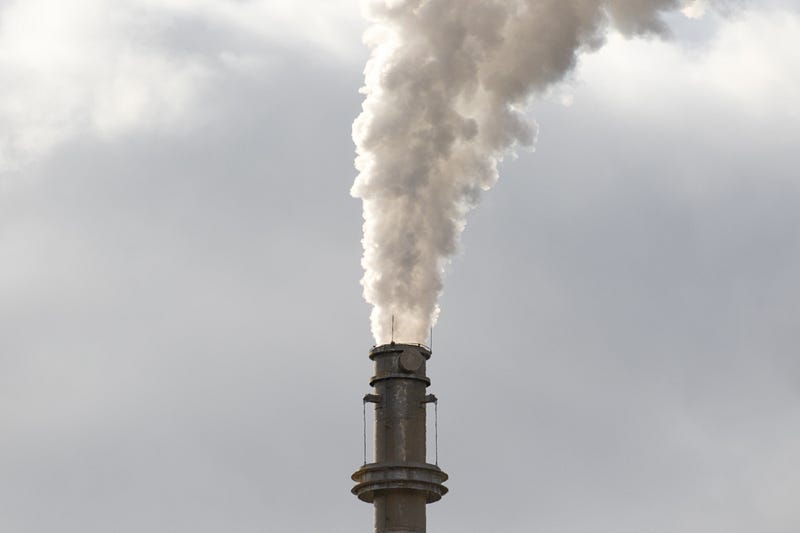
While I was at Oceti Sakowin, I helped out at the donation tents and helped serve food at the food tents. My husband chopped wood for the kitchen tent. But some people also engage in what are called “direct actions”. That is when you actually confront the pipeline construction.
A man named Happy American Horse attached himself to DAPL equipment. It took Mandan police six hours to remove him, which cost DAPL 2 million dollars due to halted construction.
While there are some police departments that have agreed to participate in guarding the pipeline construction, and on occasion arresting Water Protectors (over 400 people so far), some police departments have turned down the requests to get involved.
There was a town in Montana that was asked to go to Standing Rock to assist Morton County Sheriffs Department efforts.But because so many residents called and wrote letters in support of Standing Rock, that police department rejected the request to send officers to Standing Rock.
Fort Laramie Treaty
The Fort Laramie Treaty of 1857 was an agreement signed between the US government and several Native American tribes. One of the purposes of the treaty was to ensure safe passage for the white settlers who were traveling from East to West. But as more resources and uses for the land arose, the treaty boundaries and agreements were broken. One example of this is the Black Hills area. The Black Hills used to be part of the agree-upon treaty territory. But once gold was found in the area, that land was taken away from the tribes so that white colonizers could move in and search for gold.
The tribes that have come together at Standing Rock believe that DAPL is a continuation of broken treaty promises.
“It doubtless is important that all treaties and compacts formed by the United States with other nations, whether civilized or not, should be made with caution and executed with fidelity.” -George Washington, 1789.
Extractive Industries
Extractive industries refers to the harvesting of fossil fuels from the Earth. In the Bakken fields of North Dakota, Enbridge extracts the oil by using a method called “hydraulic fracking”. This method creates a byproduct of toxic fluids. It also results in seismic activity in the form of small earthquakes in areas that wouldn’t typically have much seismic activity. The oil then needs to be transported to refineries to be processed for consumer use. All methods of transporting the oil result in some form of environmental damage, whether it be explosions, ruptures, leaks, or spills. Underground pipelines can buckle and rupture due to earth movement. Ironically, seismic activity due to fracking can lead to the rupturing of oil pipelines.
Renewable Resources
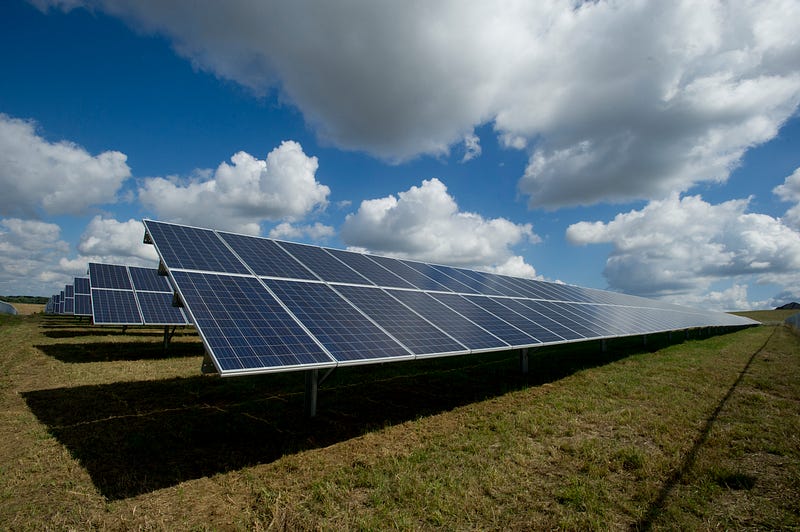
The more our country and large, multi-million dollar companies invest in oil infrastructure, the less incentive there is to invest in cleaner, safer renewable energy. If an oil company invests 3.7 billion dollars in a pipeline, they are going to want to make the most of that investment. They won’t turn their focus to renewable energy technology just because it is the right thing to do.
The use of fossil fuels was convenient for helping our society find easier ways to travel and to transport goods in the past. But at this point, the environmental damage is now so extensive that it is in the best interest of all us to seek renewable energy alternatives to fossil fuels.