
My Semester Abroad in Israel
Studying at the Hebrew University of Jerusalem
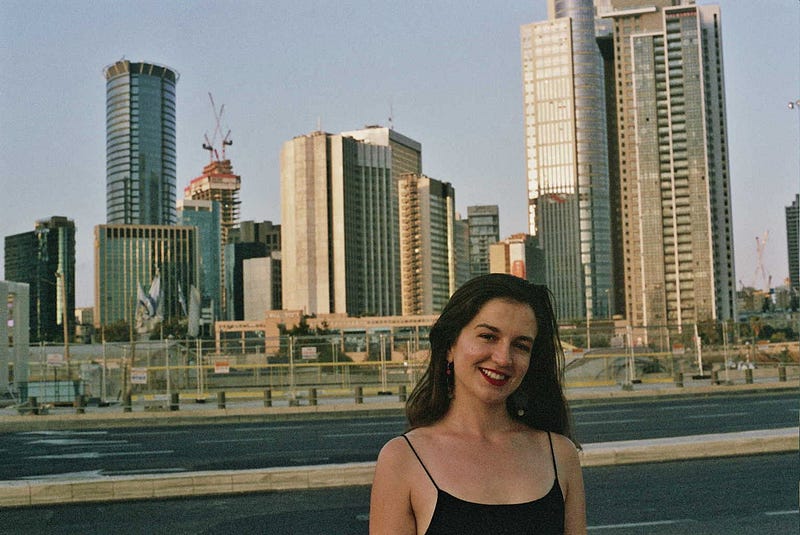
This summer I had an unforgettable experience. That of studying and living in Israel. Traveling to Israel, when most of the world was still under Covid-19 restrictions, ended up being the best decision. Tired of the rainy and grey days of German spring, the ongoing lockdown, and closed coffee shops and restaurants, I was more than excited to go to a country where the majority of people were vaccinated, and no restrictions applied, well, besides that of entering the country.
Preparation
Before dwelling on my experience, it makes sense to give you a background story. Two years ago, I applied for a semester abroad through TUMexchange (read more here about my experience at TUM), and I was convinced to go to Israel (this was before the Covid-19 pandemic). I chose as my first preference the Tel Aviv University, and as my second preference the Hebrew University of Jerusalem. There were a few reasons why I wanted to go to Israel for a semester abroad. The first one is that I am truly interested in entrepreneurship and innovation, and Israel is known as the Startup Nation (check out the book: “Start-up Nation: The Story of Israel’s Economic Miracle”). I wanted to gain firsthand experience of Israel’s working culture and its citizens’ life mindset, therefore I selected Tel Aviv as my first preference. Tel Aviv was also called the second Silicon Valley, as some of the most famous startups are located there.
On the other hand, I really wanted to go to Israel for its historical and religious importance. It has always been a dream of mine to visit Jerusalem, and the thought of living there really intrigued me. To be honest, it did not matter much whether I ended up in Tel Aviv or Jerusalem, as I knew that both experiences would be equally amazing, even though so different from one another. Looking back, I am really glad I got a spot at the Hebrew University of Jerusalem instead of the Tel Aviv University, as at that time when I arrived in Israel (2 years after my application), I wanted to take a break from what I studied (innovation & entrepreneurship) and explore new topics. After all, exchanges are there to open our minds to new perspectives and experiences and help us get out of our comfort zone, and that is exactly what I wanted.
The organization of the semester abroad did not go that smoothly initially, because of the uncertainties that came with the Covid-19 Pandemic. I was supposed to start my semester abroad in the winter, however, because of the strong lockdown regulations and online classes, I decided to postpone it for the summer semester. Looking back, that was a really good decision as summer is my favorite season, and Israel offers a lot during that time (of course, if you are okay with temperatures that reach 40 degrees Celsius). In the meantime, I used the winter semester to take a Hebrew language course at the Technical University of Munich (TUM). After some struggles with the closed borders due to Covid-19 and my visa application, I managed to enter Israel.
Studying at the Hebrew University of Jerusalem
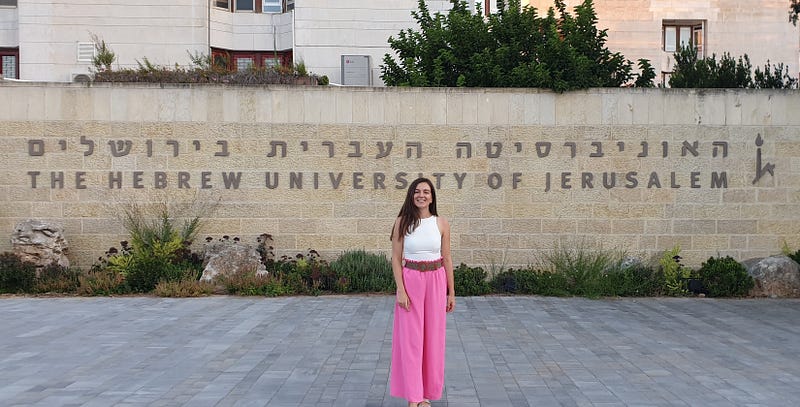
Hebrew University of Jerusalem (HUJI) is a public research university, and it is the second-oldest Israeli university, established in 1918, 30 years before the establishment of the State of Israel. Another interesting fact about the university is that the first Board of Governors included Albert Einstein, Sigmund Freud, Martin Buber, and Chaim Weizmann.
Since I did not need any ECTs for my study degree at TUM, on my semester abroad I decided to take courses I was highly curious about. I took three courses: The Neuroscience of Empathy, Producing Videoclips with Cinematic Archival and Visual Digital Materials, and Organizational Change. As you can see, I took courses in psychology, history, and business (non-profit).
Due to the Covid-19 pandemic, the classes were happening in a hybrid format (online + in-person). We were around 15 students per class, and the final assignments mostly consisted of research papers. What I found very interesting, and what took me a while to get used to, was that in Israel you can call your professor by their first name. Also, it was the first time I saw young moms participating in classes while holding their newborns in their arms. The education system in Israel seemed very supportive and welcoming, informal, encouraged discussion, creativity, and freedom of thinking. I did not have strict requirements for my assignments, rather, I had the freedom to choose the format, text font, size, style, length, and of course the topic.
HUJI has three campuses, however, I only went to the one where Rothberg Internal School is located, and I must say that it is a very beautiful campus, as it offers a city view, and a famous botanic garden, which is also a tourist attraction.
Living and traveling in Israel and around
Going to Israel during the Covid-19 pandemic, had its own advantages, as there were no tourists in the country, and no Covid-19 restrictions (not even mandatory masks). The Old City of Jerusalem is known to usually be overcrowded by tourists; thus, it can be difficult to get the whole experience. For me, however, this was not the case. I had the chance to walk through the Old City many times, at my own pace, learn about the history and get amazed by all the historical and religious sites.
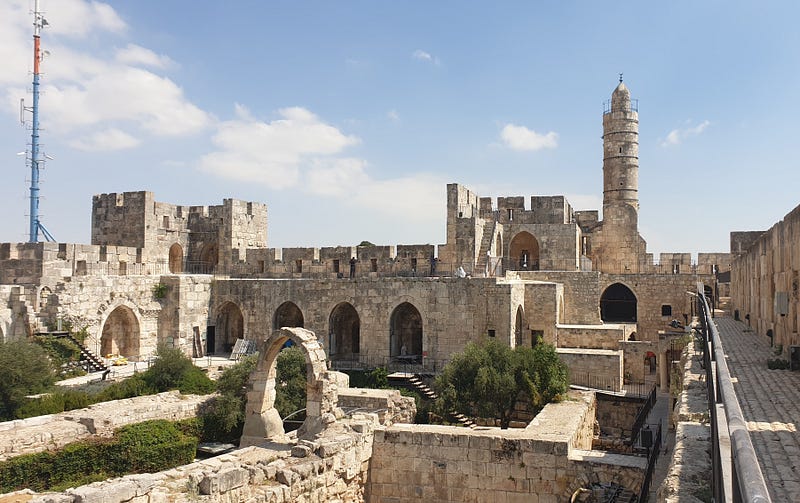
So yes, the Old City is one of my favorite places in Jerusalem. There I visited the Church of the Holy Sepulchre — a church built on the traditional site of Jesus’ Crucifixion and burial, Temple Mount — the holy site in Judaism, Christianity, and Islam alike, Via Dolorosa — the path that Jesus is believed to have taken on the way to his crucifixion, the Western (or Wailing) Wall — the holiest place where Jews are permitted to pray, Dome of the Rock — the rock over which the shrine was built is sacred to both Muslims and Jews, Al-Aqsa Mosque — the third holiest site in Islam where only Muslim people can enter, Tower of David — the Citadel, and many more. If you plan to visit Jerusalem and are not religious (like me) or do not know much about the history of this place, I would really recommend reading a book about Jerusalem before going there or reading through Wikipedia. This city is so full of history, it feels astonishing and unreal at the same time.
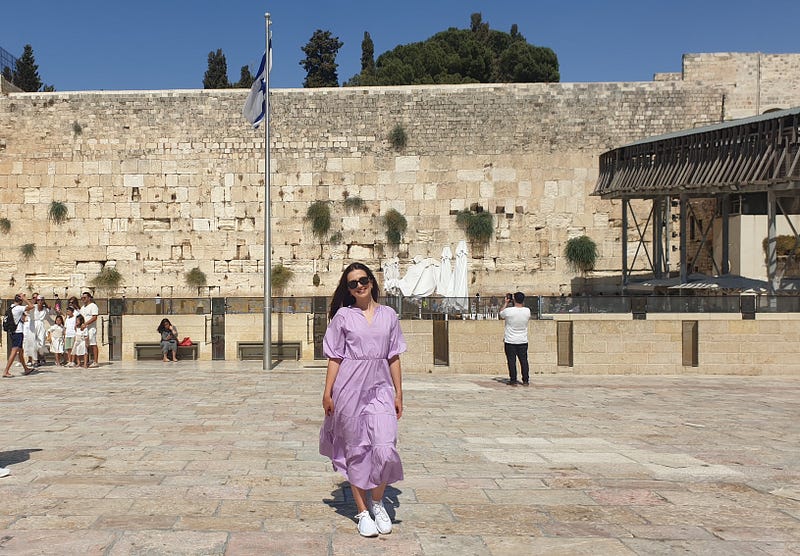
Obviously, the wailing wall was one of the first things I wanted to see in Jerusalem as I had heard so much about it. When I went there, I saw that the wall was separated into two parts, one for the women to pray, and one for the men. This practice of praying separately is quite common in Israel. I entered the women’s area and started walking towards the wall. While walking I saw the wall becoming larger and larger (since I was getting closer and closer), and at the moment I was so close that I could touch it, I looked up and witnessed how huge it actually is. It was that exact moment that reminded me how small and insignificant I and my worries are in the world. A reminder that we often do need. It gave me relief. It was that exact moment I realized its importance, not the religious one (as I am not religious), but that of reminding us, humans, to live outside of our heads, and feel the greatness that surrounds us. I did go there again, and again. I wrote a letter of prayers (or wishes) that ended up being quite long and placed it in between pieces of the wall. Even now, when I think about standing in front of the wailing wall, it calms me down. I do understand why for so many people the wailing wall is so precious.
I was careful to wear appropriate clothes when visiting holy places in order to act respectfully. When entering Temple Mount it is mandatory to get fully covered. The clothes were provided at the entrance. In general, the rule when visiting holy sites in the Old City is to wear pants or dresses and skirts that go below the knee, and shirts that cover the shoulders.
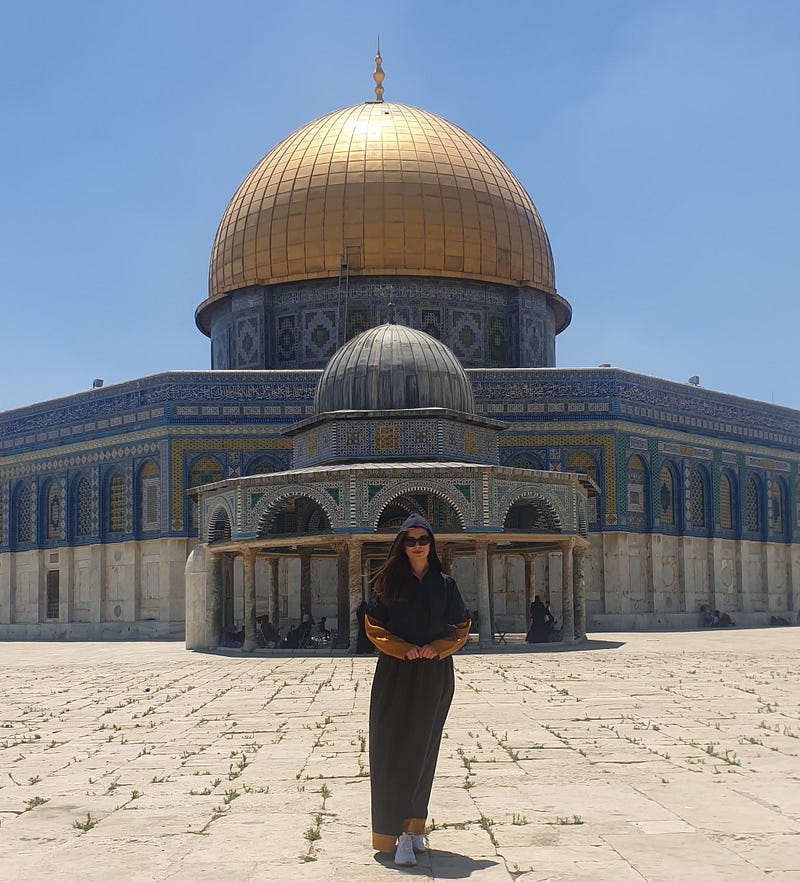
Walking through the Old City is an experience on its own. Tight streets, on the sides people selling souvenirs and food, calling you to buy from them. The gates from which one enters the Old City provide different experiences as well. For example, when entering through Damascus Gate I noticed that the people living in that area are mostly Arabs. The prices of souvenirs and foods are cheaper than in the other gates of the Old City. It is also noticeable that this gate has more security control.
When it comes to security, I quickly got used to looking at soldiers holding guns in the city. The army is mandatory for all Israelis once they finish high school. Boys should commit to the army for three years, and girls for two. So seeing 18 years old youngers in uniforms and holding guns is not surprising in Israel. There is no need to worry about it as they are there for the safety of the citizens. When visiting holy sites in the Old City I often got scanned and my bag was checked, as well as when entering train or bus stations, and the university campus. These are all precautions measures. During my stay in Jerusalem, or around Israel, I never felt unsafe.
Jerusalem is a breathtaking city, almost magical. So many cultures and religions co-exist in one place, something I had never experienced before. It truly felt like I was walking through history in a time travel machine. I could also easily notice the Mediterranean lifestyle (as I come from one myself). People are warm and friendly, and the city is very lively. Someone would play piano in the City Hall and people would join to sing. It seemed like people in Jerusalem do know how to enjoy the little things in life.
Another place I visited more than once in Jerusalem is the Machane Yehudah Market, the shuk of Jerusalem. During the day, fruits, vegetables, desserts, and other foods are sold. However, at night the market gets magically transformed into a bar and restaurant area. I enjoyed going to the shuk both during the day when I bought some fresh fruits, warm pita bread, and hummus and at night when I went there with friends.
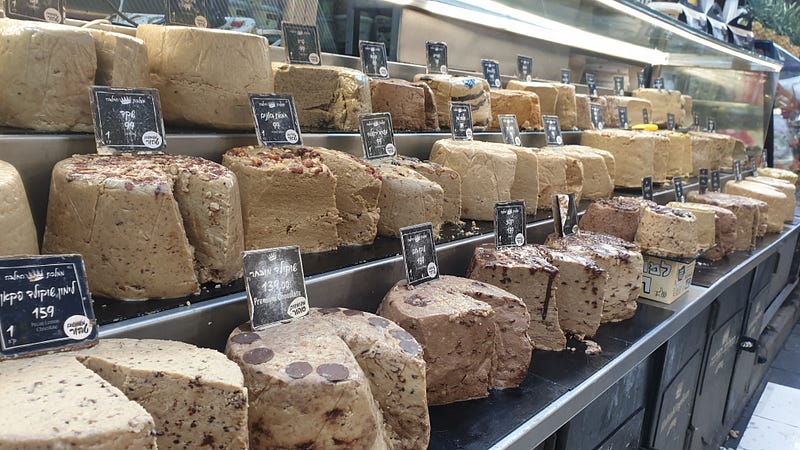
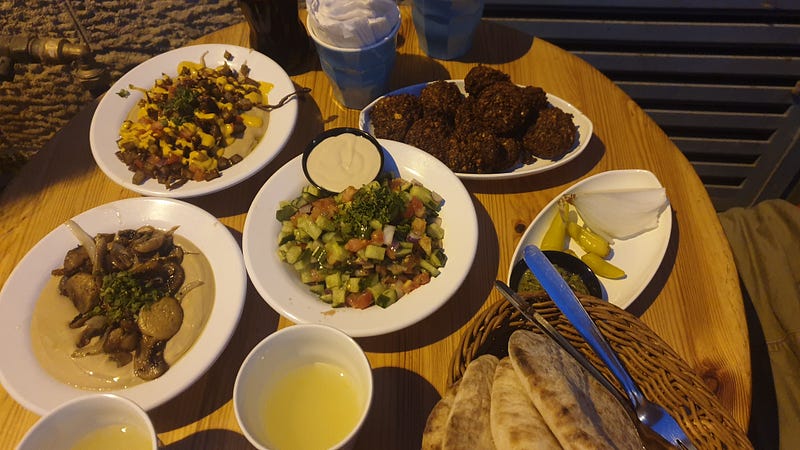
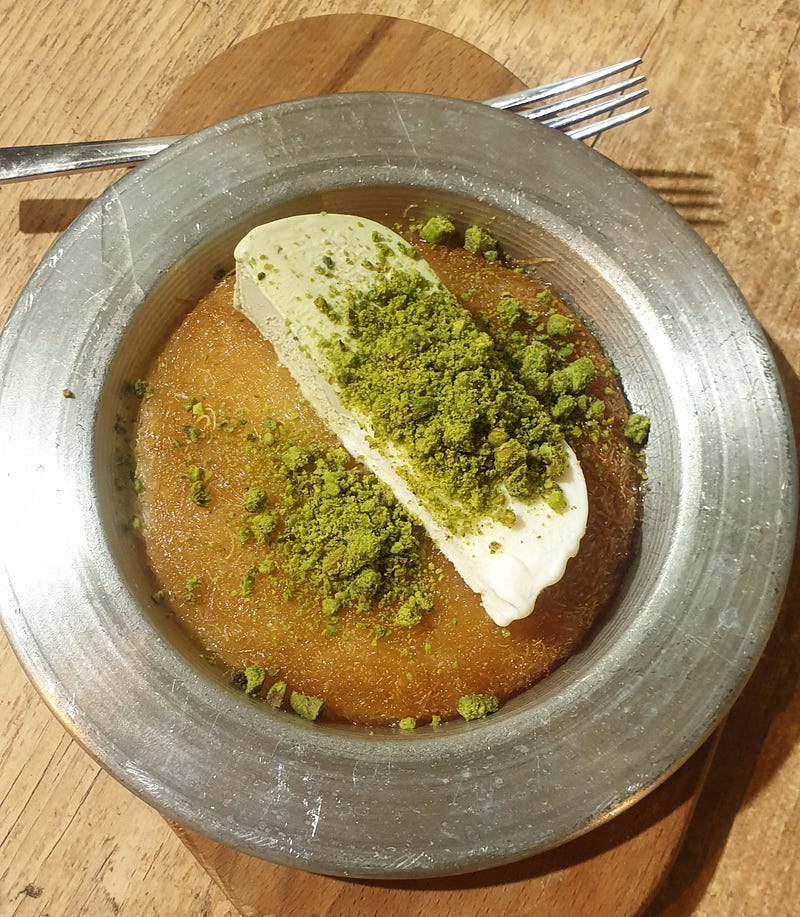
When it comes to food, I would really recommend going to Jaffa Street. The street is known for shops and good food. During this exchange in Israel, I can say I fell in love with falafel and hummus. Also, it is very easy to be vegetarian in Israel, as most places don’t offer meat. When it comes to desserts, I would highly recommend the Arab dessert called “Knafeh”. It is simply delicious.
A very new experience for me was also that of Shabbat, when from Friday’s sunset till Saturday’s sunset is considered resting time. The orthodox Jews do not work nor use electricity during this timeframe. Instead, they spend the day with family and friends, present in the moment. The streets are almost empty, and everything seems to be really quiet. The markets and shops are closed, and public transportation does not work. In our rushing world, I found this a very beautiful concept to allow one to pause and reflect. Especially since the western world seems to always be in a rush. I often find myself part of this rush when living in Germany, never being able to empty my to-do list, always working, looking for opportunities, learning, growing, listening to podcasts and audiobooks to optimize any break during the day, but rarely giving myself time to pause and be present. However, it all changed after my stay in Israel. I mentioned that everything is closed during Shabbat, but that is partially true as the Arab buses still work, and the Arab markets are open. I had the chance to be part of a Shabbat lunch of a Jewish family, and it was truly a wonderful experience. We started the meal with a prayer, shared wine and bread with everyone at the table, and finished the meal with another prayer. At the end of this experience, I was filled with so much gratitude.
I was also very positively surprised by the level of digitalization in this country. In order to use public transportation, I got myself a Rav Kav card, a reusable contactless smart card that allowed me to make electronic payments on buses and trains. Also, I could pay by credit card almost everywhere, besides the Arab places where I was mostly paying by cash.
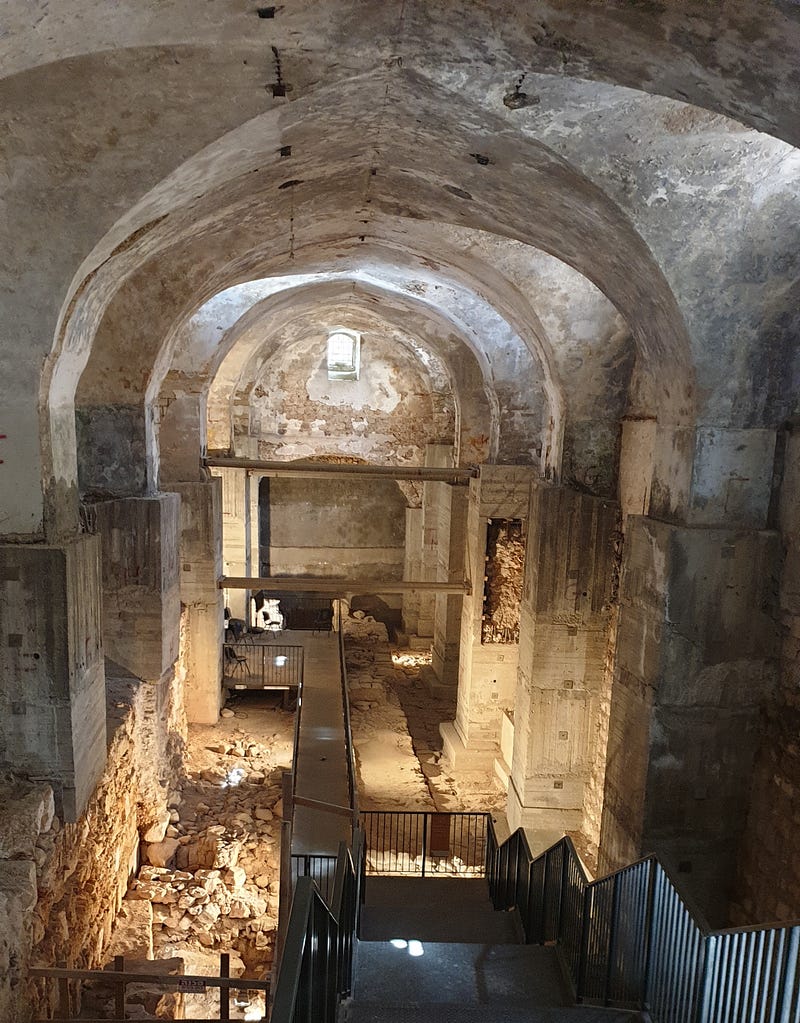
To understand the country better, I visited many museums. In my opinion, the Israel Museum and Yad Vashem are a must, and they are both free of charge for students. In the old city, I visited the Tower of David, the museum of the history of Jerusalem. You would be surprised at how much history Jerusalem hides under the ground. I also visited the Cenacle — the Room of the Last Supper, one of the holiest sites for Christianity in Jerusalem. It is even possible to walk in the ramparts of the old city, thus taking a full view of the city from above. As I said, I often felt like I was walking through history.
Indeed, I went to the Dead Sea. How could I miss the opportunity to visit the lowest place on earth? That was an experience on its own. The university organized a trip to the Dead Sea, and they took care of everything. Luckily, we even had a guide who had lived in the desert all her life and knew how to navigate it pretty well. Since this was my first time in the desert I was expecting it to be sandy and with dunes (like the typical dessert I had watched in the movies) and was surprised to see that the Judaean Desert was mostly rocky.
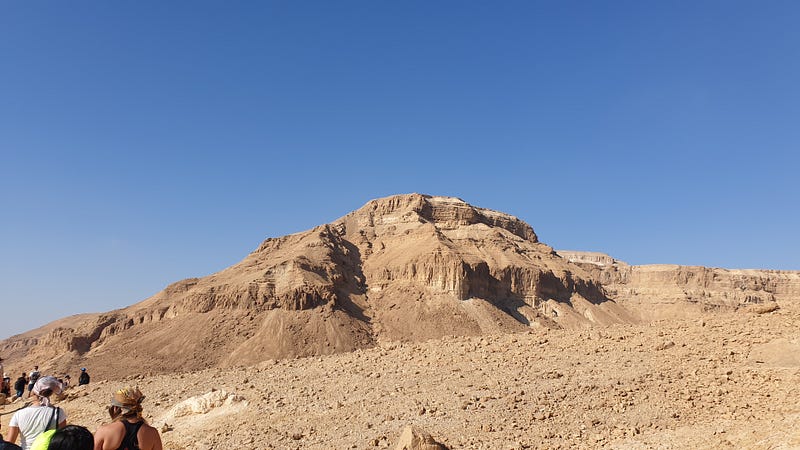
The Dead Sea is REALLY salty. So salty, that we were told to not to put our heads underwater, and avoid the water from touching our eyes, otherwise it would burn. Also, it is recommended to not shave one day before, or have cuts on the skin. Obviously, with so much salt, it is impossible to do anything else besides floating. The soil underwater was white, due to the salt accumulated there. Basically, I was walking on salt and then floating in the water. Another thing to keep in mind is that the Dead Sea feels very greasy on the skin. I did not expect that. After a Google search, I learned that salts (magnesium, potassium, sodium, etc.) are responsible for the greasy feeling of the water. I personally loved it, but I also met people that said one time in the Dead Sea was enough for them. Well, not for me…
During my stay in Israel, I made sure to travel as much as I could and visit many cities. Obviously, I visited Tel Aviv, the city that never sleeps. This city is known for its nightlife and numerous clubs. If you are a party person, you are going to love it. I sure did. Tel Aviv has a completely different vibe from Jerusalem. There are no religious constraints, it is known for its huge LGBT community, and for simply enjoying life, and of course, the beach. In summer it can get very hot and humid in Tel Aviv. If you are into arts, I would recommend you visit the Tel Aviv Museum of Arts. I easily spent a whole day there.
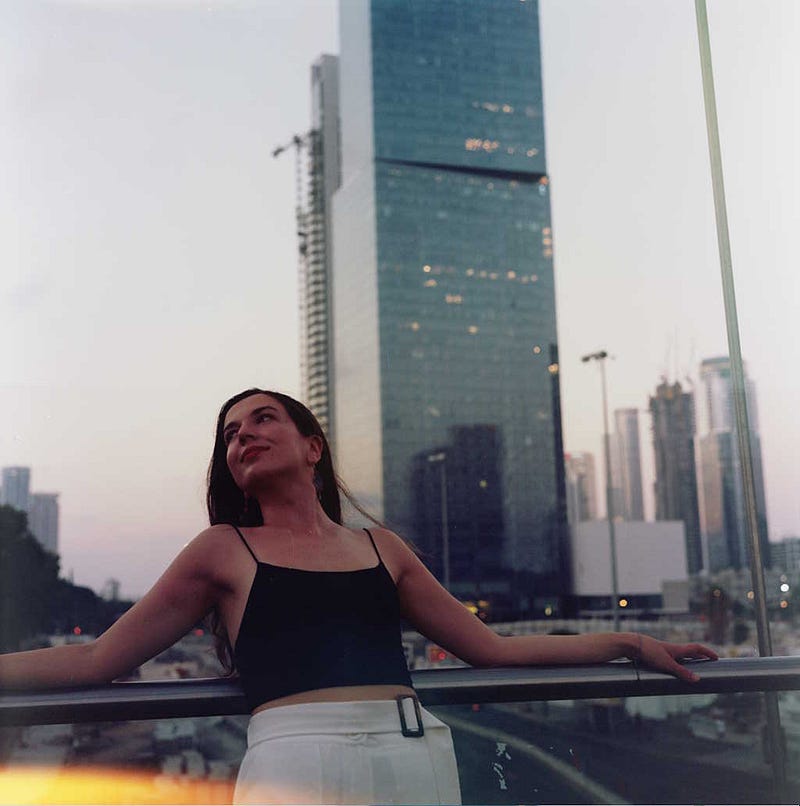
Right next to Tel Aviv is Jaffa — an ancient port city, that also offers a beautiful view of Tel Aviv. Ah, and if you go there, don’t forget to try knafeh!
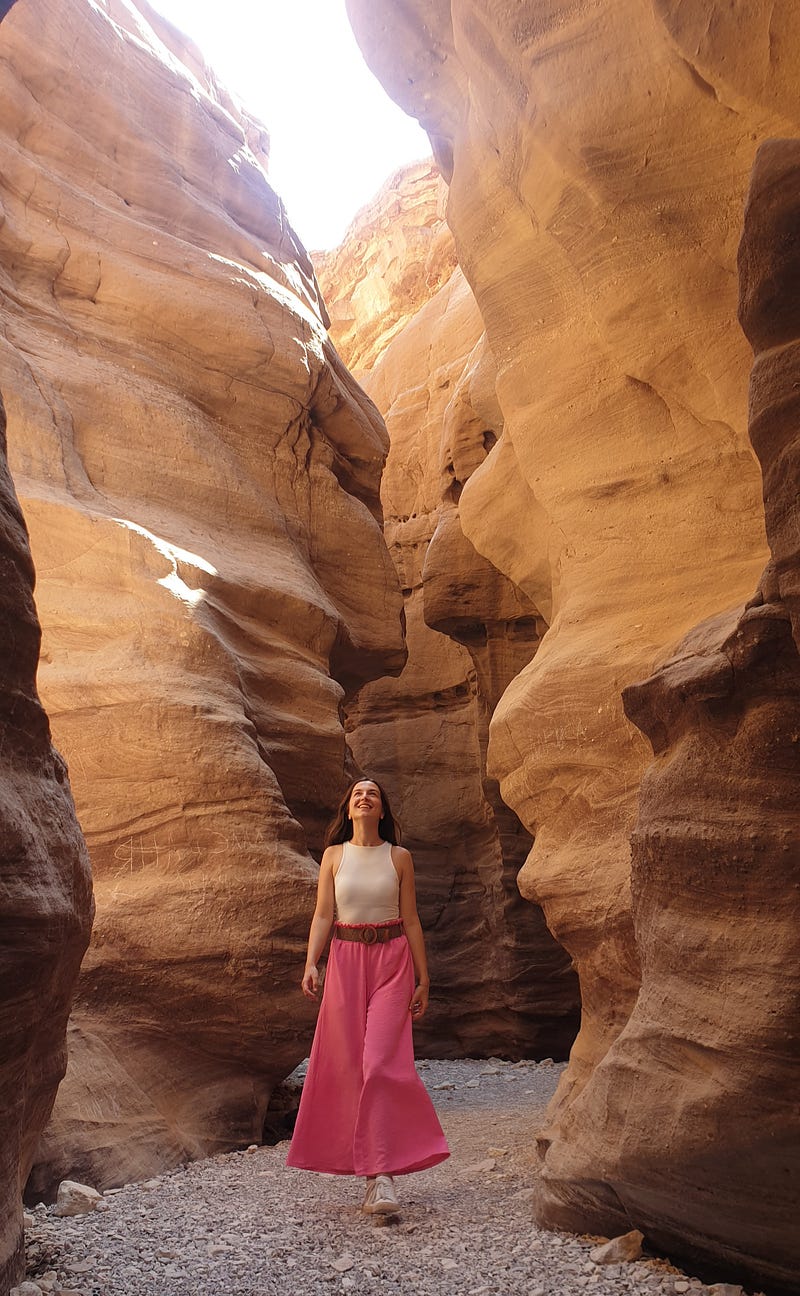
Other cities I visited were Nazareth— known for its mosques and churches, and the amazingly good food; Sea of Galilee (actually a lake) — where Jesus is believed to have walked on the water, Tiberias, Haifa — known for the famous Bahá’í Gardens, Acre (Akko) — a port city known for its well-preserved old city walls, Eilat — the most southern city, known for the wonderful underwater life and scuba diving with dolphins (I highly recommend this experience). From Eilat, you can easily travel to the Red Canyon.
From all the cities I mentioned above, one of the highlights was Nazareth. Maybe because of the Old City, tight streets, and stone buildings I could find a similarity with my hometown, Berat. The food was also insanely good in Nazareth. If you by any chance visit Nazareth, make sure to eat at Dewan al-Saraya Old City Ashraf Restaurant. There I felt like I was Lisa in Wonderland because of the huge collection of old objects all around me. I might have eaten the best falafels there, even though I have the feeling that’s what I said every time I ate falafel in Israel, I simply love them. Don’t forget to try the dessert though! I do not remember the name of it, but I can say it was almost as good as knafeh (maybe even better?). I also discovered another good coffee shop/brunch place called Ghada’s Corner, a business owned by women who collect artistic handmade products from all around the world and sell them there. A really cute place.
Scuba diving in Eilat with dolphins was definitely another highlight. At Dolphin Reef Beach, there are three wild dolphins that come every day to show how awesome they are, eat some food, cuddle with the swimmers, play around, and leave at the end of the day. How crazy is that? It was my first-time scuba diving and as if the adrenaline of it was not enough, I was diving with dolphins! It was such a beautiful experience, and I realized that dolphins are actually really big animals when you see them underwater.
However, when I get asked what is my favorite memory from my semester abroad, I always mention wild camping in the desert and hiking to Masada. It was my first time ever camping, and the temperatures were so high (never went below 37 degrees celsius) that I ended up sleeping outside the tent. Well, I did not really sleep, as I was always aware of any noise or movement. I was sleeping on a thin yoga mattress, in a desert, with no other campers around (besides my friends), in a non-specified camping place. Obviously, I could not fall asleep. However, I loved the adrenaline of it. I was sleeping in a desert, under the stars, and anything could happen anytime. My biggest fear though was getting stung by a scorpion. Luckily, that did not happen.
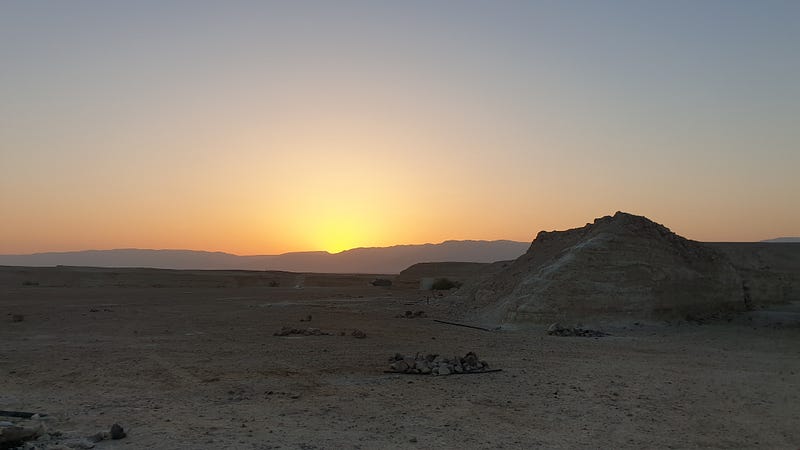
That day I fell in love with the desert, the warm wind coming towards my face, the heat, but most importantly, the silence. It is truly silent in the desert, and it feels like everything stops in this silence, including time. I remember the words of our Dead Sea guide, the girl who had lived in the desert all her life, saying: “Stay quiet and listen to the silence of the desert. If you listen carefully enough, the desert will give you the answers to your inner questions.”
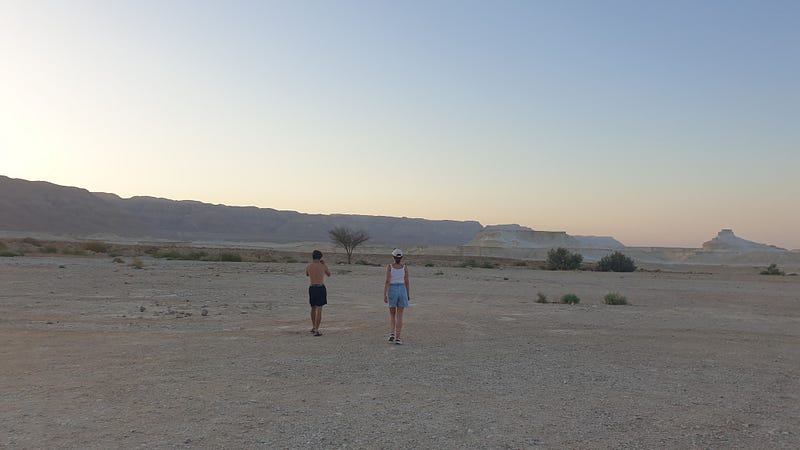
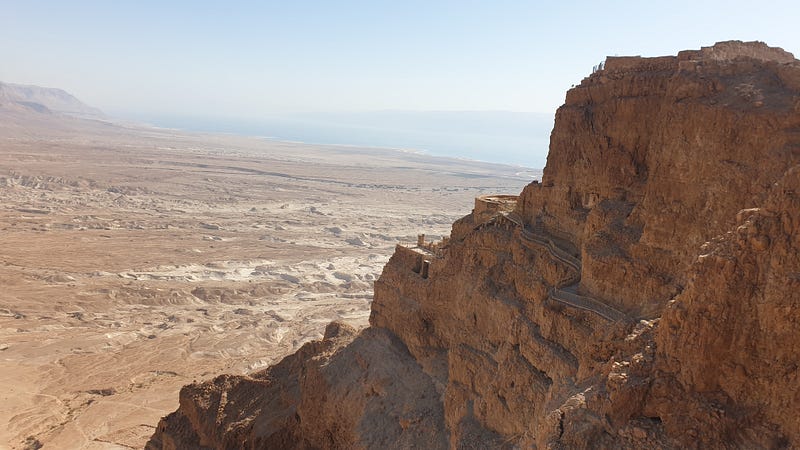
The next morning we climbed to Masada — an ancient fortress built around 30 B.C. It was not an easy hike, considering the temperature we were climbing on. But we made it to the top.
I also went to Palestine and visited Bethlehem, — the city where Jesus Christ was born, also known for the famous graffiti on the wall, and Ramallah — the capital of Palestine. Going to these cities was very safe and there were no problems with crossing the border as a tourist. Palestinians were very friendly and happy to see tourists after the pandemic. They even offered us some food. Also, you would be surprised to see that most of the things cost only 5 shekels there.
Meanwhile, Israel is expensive, even more expensive than Munich (which is considered the most expensive city in Germany). I especially noticed it when buying groceries. European food and products cost a lot there. The most expensive city in Israel is definitely Tel Aviv. However, the salaries are also really good, as people can afford to live there. The mobile internet is very cheap though. You can easily get 80GB or more for 15 euros/month.
My learnings from this experience
The biggest learnings I got from day-to-day life. By meeting people, I learned about their culture, beliefs, customs, and way of living. The museums I visited taught me about the history of Israel, Palestine, WWII, art, religion. While traveling I got to see the beauty of Israel, fall in love with the food, and enjoy the company of the people. But most importantly, I was lucky to be surrounded by wonderful people who I can now call my friends. They came from Mexico, Spain, France, Great Britain, Germany, Canada, and the Czech Republic.
We created such a strong bond in a very short time, by traveling together, exploring this wonderful country, and learning from one another. Being usually surrounded by people who study business and technology, I was really happy to finally meet some people who study other topics such as history, religion, Hebrew, and law. I got to know their perspectives on different matters, which was really interesting because it made me think about the way I see things. Although, the biggest learning for me from my semester abroad was to take the time to pause, reflect, and truly enjoy life while being in the moment.
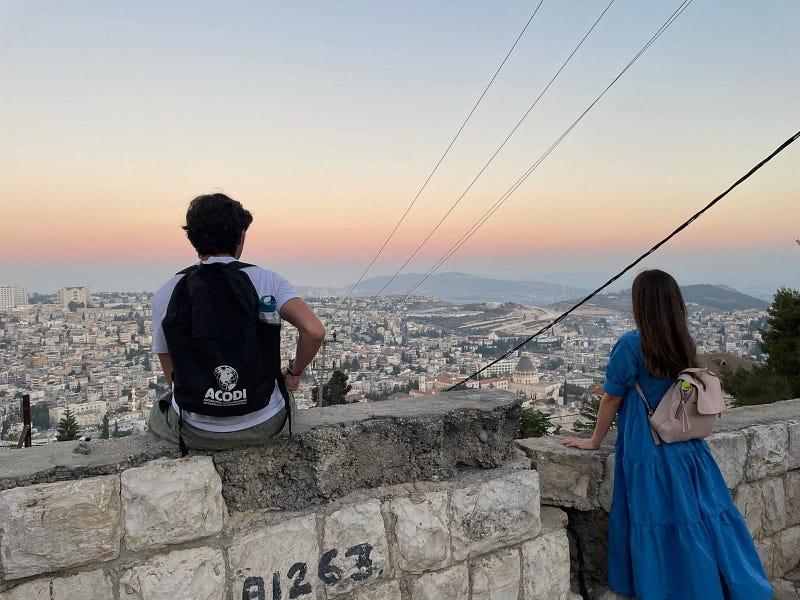
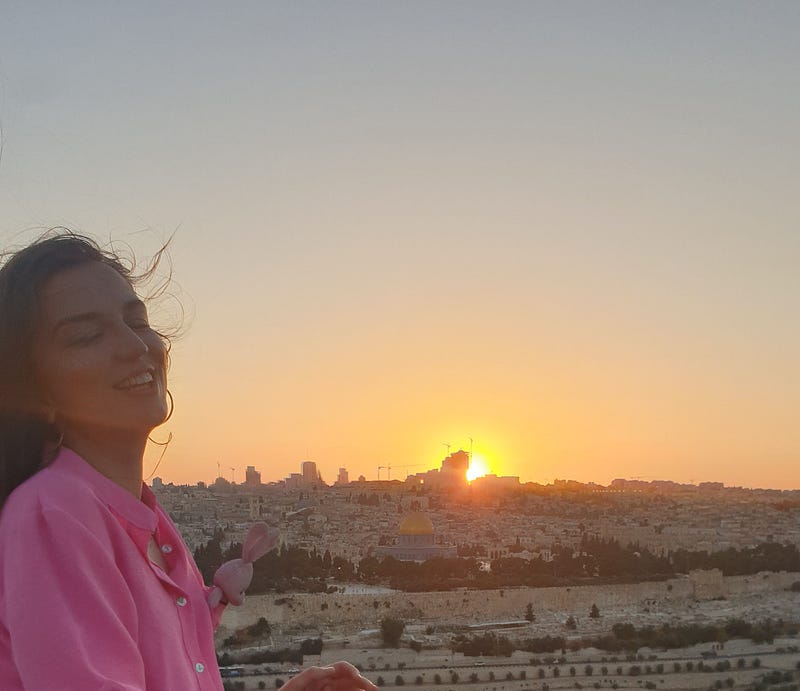
I also wanted to visit Jordan and Egypt, however, due to the Covid-19 restrictions, it was not possible. Maybe another time. On my last day in Israel, I climbed the Mount of Olives and saw the sun setting in the city of Jerusalem. A truly magical moment.
Until next time.
Important
During my master’s degree at TUM, I received €25,000 in scholarships that helped me fund my semester abroad at Stanford University in the US, Hebrew University of Jerusalem in Israel, and Tsinghua University in China, and partially my living costs in Germany.
I put together a database with 33 scholarships I have thoroughly researched, and the cover letter that helped me receive 11 scholarships.