
My Personal Essay in Japanese: Strength & Weakness + Personal Life Philosophy 自分の哲学・長所・短所「英語と日本語」
Disclaimer: This is not meant to use for job interviews
Disclaimer: This is not the “strengths & weaknesses” type of an answer to be used in a job interview. After reading, you will find out that they won’t hire you (except for those who are really open-minded enough to understand that being ambitious doesn’t equate to being “not an ideal” employee for the company) if you utter something like this...
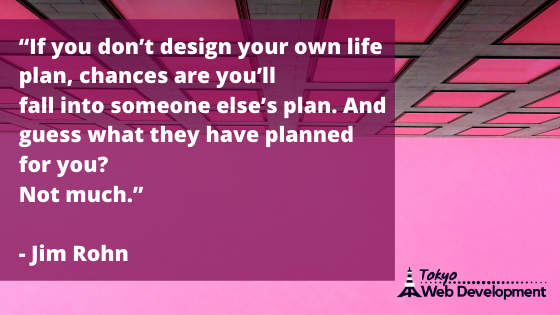
私は意欲的で頭が柔らかい人です。永遠に会社員をしようとは思っていません。仕事は最終目的地じゃなくて、成功への足がかりだと思っています。会社員のときは、自分の目標より上司や社長の目標を達成するために働きます。でも私は自分の目標を達成したいんです。

人生は、愛する人といることや自分の目標達成を優先するべきだと信じています。自分の大好きなことをやり、自分のすることを愛するべきです。
一方で、私の短所は気まぐれなところです。何に対しても興味を持てない気持ちになる時もあります。でもその時には、成功に向けてモチベーションを維持できるように、ベストを尽くしています。

English Version:
私は意欲的で頭が柔らかい人です。永遠に会社員をしようとは思っていません。
I am an ambitious and open-minded person. I don’t wanna be an employee forever.
仕事は最終目的地じゃなくて、成功への足がかりだと思っています。
Being able to get a job should not be your ultimate goal, rather it is just a stepping stone for you to achieve success.
会社員のときは、自分の目標より上司や社長の目標を達成するために働きます。でも私は自分の目標を達成したいんです。
When you work for someone, you work to achieve your boss’ goals instead of working hard to achieve your own goals in life. Instead, I would like to work hard & focus on my own goals.
人生は、愛する人といることや自分の目標達成を優先するべきだと信じています。自分の大好きなことをやり、自分のすることを愛するべきです。
I believe that your loved ones and your own goals should be your priority. Do what you love and love what you do.
一方で、私の短所は気まぐれなところです。何に対しても興味を持てない気持ちになる時もあります。
On the other hand, my weakness is being moody. There are times that I am losing interest in anything.
でもその時には、成功に向けてモチベーションを維持できるように、ベストを尽くしています。
But whenever I feel that way, I do my best to stay motivated to achieve success in life.
Vocabulary (語彙)
- 意欲的 (いよくてき)ambitious
- 頭が柔らかい (あたまがやわらかい)open-minded, flexible, opposite of 頭が硬い (あたまがかたい)which means narrow-minded.
- 最終目的地 (さいしゅうもくてきち)(literally means: final destination) ultimate goal
- 成功への足がかりだ stepping stone for success 成功 (せいこう)means success and 足がかりだ (あしがかりだ)means stepping stone (lit. foothold)
- 目標 (もくひょう) goal
- 達成する (たっせいする)to achieve, to attain or to accomplish (eg. 自分の目標を達成したい I want to achieve my own goal)
- 愛する人 (あいするひと)loved ones
- 優先する (ゆうせんする)to prioritize
- V+べき should ~(eg. 優先するべき should prioritize)
- 一方で (いっぽうで)on the other hand (use to connect phrases or statements that are in opposite direction)
- 短所 (たんしょ)weakness, disadvantage, cons, opposite of 長所 (ちょうしょ)which means strength
- 気まぐれ (きまぐれ)moody, capricious or impulsive
- 興味 (きょうみ)interest (for something)
- ~ に向けて (にむけて)towards to ~, for the purpose of ~, for the sake of ~
- 維持する (いじする)to maintain, to stay, to keep up
- ベストを尽くします (べすとをつくします)I will do my best, I will give my 100%
Obviously, I published it here to help my fellow Japanese learners in their journey in learning Nihongo. This is originally my homework for my Japanese class (credits to my Japanese teachers in Ohana Bloom for revising my composition in Japanese).
However, in a deeper side, treat this as my open letter for ~
For foreigners, like me, living in Japan: I would like to say, we made it! we are here in Japan, enjoying this beautiful country and living the life! Though being a foreigner here has its fair share of hardships. Whatever it is, hope you will never underestimate yourself. Be who you are and who you want to be wherever you are. I’ve seen people who are afraid to aim high just because they are in Japan (or in another country in general). For example, if you’re a working in the corporate world back in your country or you have a diploma, why don’t you try to do the same in Japan. White collar doesn’t have to turn to blue only just because you are a foreign worker here. And both white and blue should aim for the gold. Don’t settle for less. Don’t take jobs that you will never take when you are in your home country. And as in my essay, I hope that merely working in Japan is not your ultimate goal.
For every hardworking Japanese: I’m hands down to your huge dedication & discipline for everything you do. You guys study hard and work very hard. Japan won’t be Japan without you: Safe, clean and one of the best countries to live in. On the other side, I learned here what 過労死 (Karoshi) is all about, a term used for death because of overworking. I think only you guys has this concept. I hope this can change. Don’t get me wrong, I love your dedication but all that is too much can’t be good. You guys work hard for the company you work for but in reality, company is still a business, regardless of how good it is. Running the business is still the number one priority, not you. Whether you perform excellently, still it doesn’t exempt you from the possibility of being terminated. Instead, why don’t you dedicate more of your time and energy to your own family and do things that makes you happy. At least, family always got your back when everything fails. I hope that you also try to find your 生き甲斐 (Ikigai is a Japanese concept that means “a reason for being.”) outside your workplace. (But I have nothing against if your Ikigai is really in your workplace. You’re lucky. Just don’t forget to make time for you loved ones.) When learning something new, don’t only think that it is good for your job. Love it and enjoy it by yourself as well. Make it a hobby or start an entrepreneurial journey with it. Life outside the cubicle has a lot more to offer, only if you will choose to step out and discover it.
For the final note, this is not a definition of who foreigners in Japan are and who Japanese are. I just hope this will reach people who are studying Japanese (and English as well) and those who need to hear this kind of advice.