avatarAdrienne Beaumont

Summary

The author of the article has accidentally transferred money intended for a Qantas Travel Card into a potentially defunct bank account, missing out on bonus frequent flyer points and now facing the challenge of reclaiming the funds.

Abstract

The article narrates a personal anecdote where the author, after earning money from marking essays, attempts to secure it on a travel card for future trips. However, due to a self-inflicted error, the money ends up in a bank account that may no longer exist, leading to a loss of anticipated airline points and the inconvenience of having to retrieve the money in person. The author reflects on their carelessness, contrasting it with the perceived ease of scammers in accessing funds and their own history of being lucky in avoiding theft while traveling, despite being careless with personal belongings. The article concludes with the author acknowledging their own mistake, labeling themselves as their own worst enemy for managing to "scam" themselves without any external interference.

Opinions

  • The author believes they have acted foolishly by transferring money to the wrong account, a mistake they consider to be a form of self-scamming.
  • There is a sense of irony and self-deprecation as the author compares their own financial error with the common scenarios of elderly individuals falling victim to scams.
  • The author expresses frustration over missing out on bonus frequent flyer points due to the error, which adds to the perceived severity of the mistake.
  • The author seems to hold a belief that scammers have an easier time accessing money than honest individuals trying to rectify their own errors.
  • There is a hint of optimism and commentary on human kindness as the author recounts past instances of leaving belongings unattended while traveling without incident.
  • The author admits to being careless with their possessions while traveling but considers themselves fortunate and attributes the lack of negative experiences to the goodness of people they encounters.
  • The author reflects on their own intelligence, suggesting that in this instance, their attempt to be "too clever" backfired, resulting in a financial loss.

My Money Disappeared

I scammed myself.
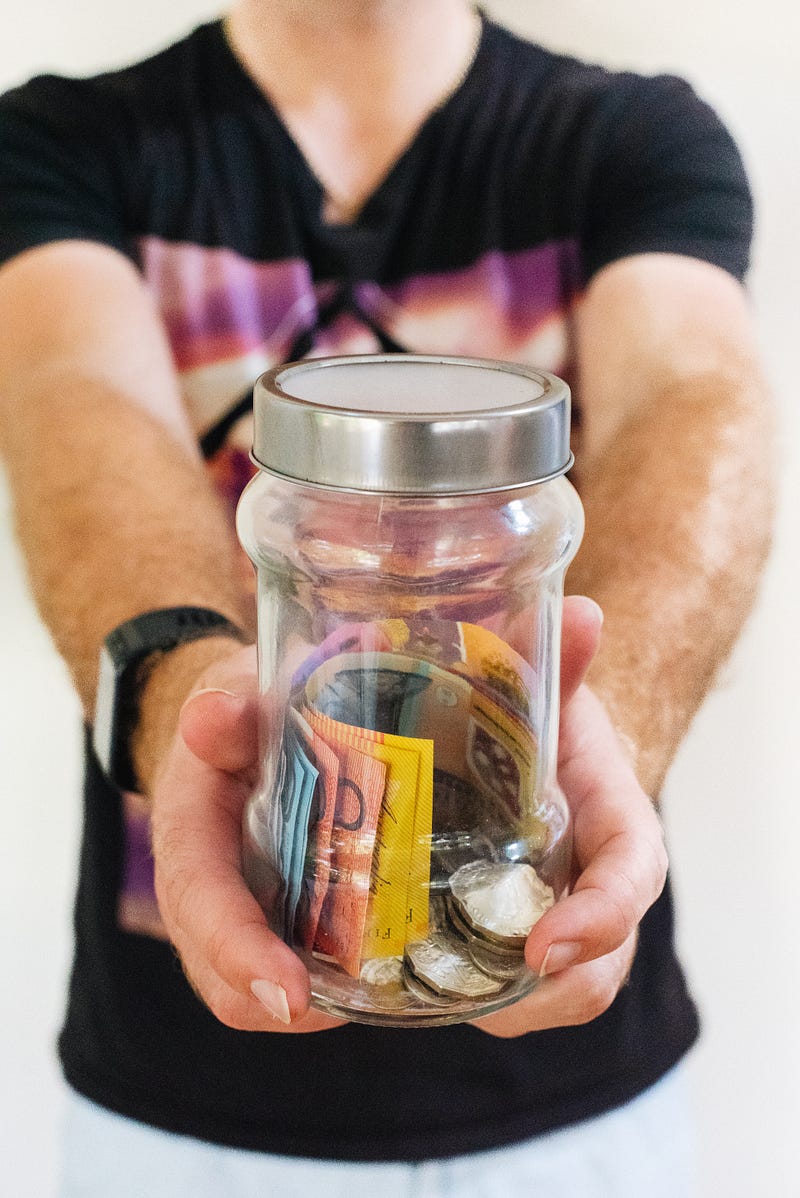
Photo by Melissa Walker Horn on Unsplash

Take my money, I don’t need it! You know you hear about old people being scammed and you think, at least I do, “how could they be so stupid?” Well, I’m a class above that. I scammed myself.

Recently, I worked marking students’ essays for 3 weeks. So I actually had money in my bank account. So what did I do? In an attempt to earn some bonus frequent flyer points and put some money safely onto a card that I can’t touch until I travel, I’ve managed to transfer it to another account, not the Qantas Travel Card.

The good news, if there is any, is that I have transferred it to an account that’s in my name but I’m pretty sure it no longer exists. I don’t even know if the bank still exists.

The bad news is I’ve missed out on the bonus frequent flyer points — yesterday was the last day of the offer — and I’m going to have to physically go to the bank to try to get my money back.

I bet it would be easier for a scammer to get money. I’ll have to take multiple proofs of ID and I’ll probably still have to put it in writing explaining my own stupidity.

When I travel, I’m not careful — I think many people live their lives in fear — and I’ve often said the only bad things that happen to me are self-inflicted. I’ve never been mugged or pickpocketed or had anything stolen from me but I’ve left my passport and money— usually in a toilet — and walked away. I’ve always been lucky though and no one has picked it up before I’ve missed it. There are good people wherever I go.

I think I’ve been too clever for my own good. I’ve managed to throw money away. And I haven’t left the country, nor my front gate.

I am my own worst enemy. I’ve scammed myself.

Money
Technology
Age
Stupidity
This Happened To Me
Recommended from ReadMedium