My Medium Moment-It’s Almost Presidents Day.
“Presidents Day: A Historical Tapestry of Leadership and Legacy.”
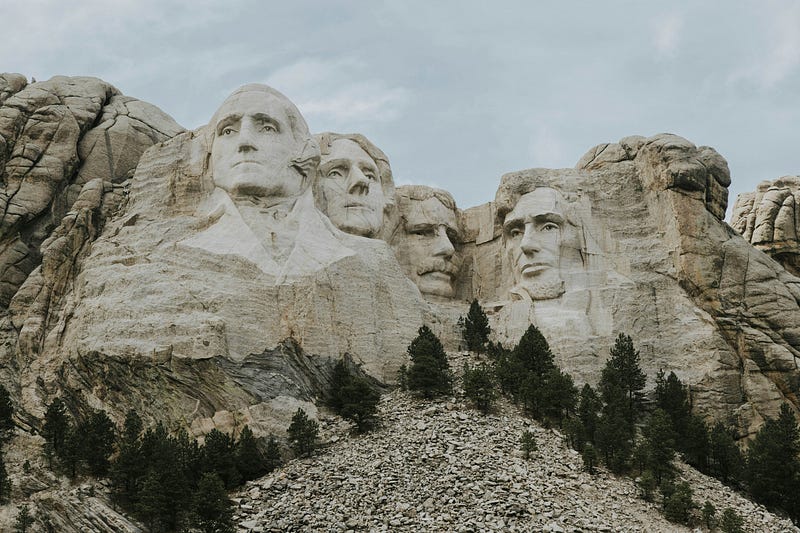
As we approach February 19th, the date marked to honor Presidents Day, let’s embark on a historical journey to uncover the origins of this significant observance and explore its enduring importance in our nation’s history. Beyond a day off on the calendar, Presidents Day weaves a rich tapestry of leadership, patriotism, and the celebration of those who have shaped the course of the United States.
1. Evolution from Washington’s Birthday:
- Honoring the Father of the Nation: The origins of Presidents Day can be traced back to the celebration of George Washington’s Birthday. Established in 1885, this federal holiday initially aimed to honor the first President of the United States, often referred to as the “Father of His Country.”
- Uniform Monday Holiday Act: The holiday underwent a transformation in 1971 with the Uniform Monday Holiday Act, which sought to provide more three-day weekends for the nation’s workers. The act shifted the observance of Washington’s Birthday to the third Monday in February, creating the modern Presidents Day.
2. Celebrating Washington and Lincoln:
- Inclusion of Abraham Lincoln: Over time, Presidents Day evolved to not only honor George Washington but also celebrate Abraham Lincoln, whose birthday falls in February as well. Lincoln, the 16th President, played a pivotal role in the nation’s history, particularly during the Civil War.
- A Day for All U.S. Presidents: Although the holiday retains the original emphasis on Washington and Lincoln, Presidents Day has become a more inclusive observance, recognizing the contributions of all U.S. Presidents. It serves as a day to reflect on the leadership and legacies that have shaped the nation.
3. Reflection on Presidential Leadership:
- National Reflection: Presidents Day serves as an opportunity for the nation to reflect on the leadership qualities and accomplishments of its Presidents. It invites citizens to contemplate the challenges faced by these leaders and the enduring impact of their decisions on the nation.
- Educational Significance: Many educational institutions use Presidents Day as an occasion to teach students about the history and significance of the U.S. Presidency. Classroom activities often delve into the lives of Presidents, their policies, and the historical context of their terms in office.
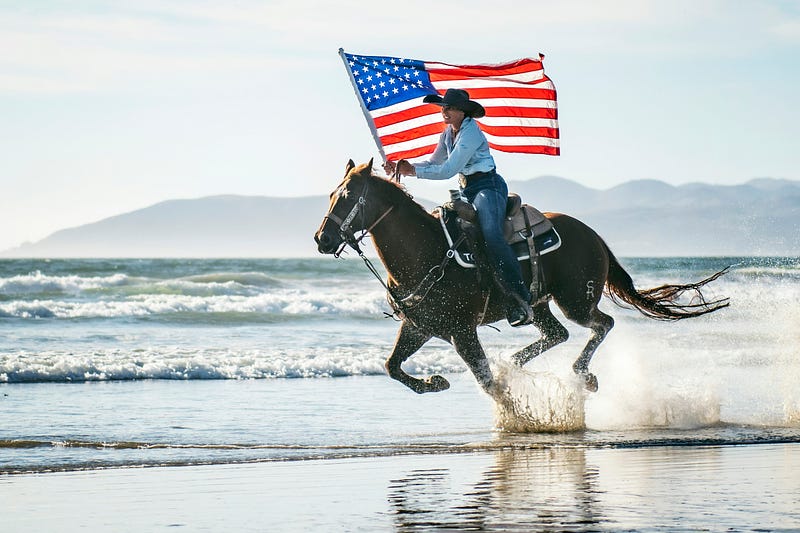
4. Commemorative Traditions:
- Parades and Events: Various cities and communities across the country commemorate Presidents Day with parades, events, and activities. These celebrations often include historical reenactments, educational exhibits, and cultural festivities that highlight the diverse aspects of U.S. history.
- Sales and Discounts: In addition to its historical and educational aspects, Presidents Day has also become associated with retail sales and discounts. Many businesses take advantage of the long weekend to offer promotions, contributing to the day’s significance in contemporary culture.
5. A Day of Civic Engagement:
- Civic Duties and Responsibilities: Presidents Day encourages civic engagement and a sense of national pride. It serves as a reminder of the responsibilities and duties that come with citizenship, inspiring individuals to participate in their communities and contribute to the betterment of society.
Conclusion: As we observe Presidents Day on February 19th, let us embrace the significance of this day beyond the surface of a long weekend. It is a time to honor the leaders who have guided our nation through triumphs and challenges, shaping the course of history. Whether through educational pursuits, community engagement, or moments of reflection, Presidents Day invites us to connect with the enduring spirit of American leadership and the ideals that bind us together as a nation. As we pay homage to the legacy of those who have held the highest office, may we find inspiration in their leadership and a renewed commitment to the principles that define the United States. Happy Presidents Day!