My Life: High Expectations, Hyperlexia, and Demon Possession
Not to Brag, But I am a HUGE Disappointment

My uncle Francis was a rock star, a blues man. He was a professional musician- a studio drummer. He was well-respected on the local music scene, and damn good at what he did.
Uncle Franny, as we called him, smelled like brandy and cigarettes and was a devout Catholic. He was short but still somehow a huge man, larger than life, with a gravelly voice and a spot-on Elvis Prestley impersonation.
Loud, rosy-cheeked, and dripping with ever-present gold chains and chonky rings- my uncle was always slightly drunk and ready to tell a joke or some juicy gossip.
For a young autistic me, he was scary. The scariest of all my loud, scary Italian side. See I would not grow into my own big, fat mouth until my 20s.
Before I dropped a ton of acid, I struggled badly with selective mutism. But that’s a story for another day.
The story today is actually one of my favorite pieces of family lore. It makes me feel spooky and powerful.
The fact is my uncle Frances is equally afraid of me! He actually refused to be in the same room as me until I was around 5 or 6 years old.
Yes-this great, booming man- was scared shitless by baby Nicole.
The story goes that one day when I was barely a toddler my uncle returned from a tour. He had not seen much of me or my mother yet and eagerly agreed to join us for a meal at a local diner.
We were seated, and everyone was given menus. When it came time to order, I ordered for myself in clear, full sentences and pointed to what I wanted on the menu.
Apparently, my uncle turned white as a sheet and left the diner immediately, making the sign of the cross.
He was convinced I was possessed by a demon.
Watching me speak and read fluently at such a young age was so unsettling for him that it took him years after that incident to simply be in a room with me. And honestly? He always avoided me. We were never close.

I am not, to the best of my knowledge, possessed. I am hyperlexic.
Hyperlexia is a rare learning difference that is characterized by a child’s precocious ability to read. Children with hyperlexia can read words far beyond their expected level for their age, but they often struggle with comprehension, communication, and social skills.
Hyperlexia is often associated with autism, but not all those who are hyperlexic are autistic.
It can be classified into three types:
Hyperlexia I
This type occurs when children without co-morbidities learn to read early and far above their expected level. This condition is temporary, as other children eventually catch up with their reading skills.
Hyperlexia II
This type of hyperlexia occurs in between 6 and 14% of autistic children. These types are often obsessed with numbers and letters, preferring books and magnetic letters over other types of toys. They also frequently remember important numbers such as license plates and birth dates. These children usually have other signs of autism.
Hyperlexia III
This type is similar to hyperlexia II but seems to decrease over time and eventually disappear. Children with hyperlexia III tend to have remarkable reading comprehension, but their verbal language development may be behind. They also have excellent memories. In contrast to children with ASD, children with hyperlexia III easily make contact and are outgoing and affectionate.
Hyperlexia is diagnosed by observing the child’s reading skills, communication skills, behavioral problems, and developmental milestones.

High Expectations Can Affect Hyperlexic Children
Children with hyperlexia can really stand out from their peers.
We may be able to read complex texts at an early age, but we may not necessarily understand what we are reading or be able to express our own thoughts clearly.
We can also have difficulty following instructions, answering questions, making friends, or coping with emotions!
Because of these advanced reading skills, children with hyperlexia often face sky-high expectations from their parents, teachers, and society. I know I did.
I was expected to perform well academically, socially, and emotionally, in the 80s. With no support and without taking into account any of my actual needs and challenges.
High expectations can have negative effects on us wunderkinds. We often end up with issues that carry over into adulthood. Issues like…
Anxiety and stress: Your hyperlexic kiddo may feel anxious and stressed when they are unable to meet the demands of others or cope with unfamiliar situations. We often have difficulty expressing emotions or asking for help when we need it.
Low self-esteem: We tend to develop a negative self-image and doubt our abilities as a result of constantly being compared to peers or criticized for our “weaknesses.” We can also end up isolated and misunderstood by others who do not appreciate their strengths or respect their differences.
Frustration and boredom: We may feel frustrated and bored when not challenged enough or given appropriate support in learning. We may also end up losing interest in reading or other activities that we enjoy if we are not stimulated or motivated. I struggle so much with this sprinkled into my own cycles of burnout.
Behavioral and social problems: I ended up exhibiting behavioral and social problems with school refusal, tantrums, aggression, withdrawal, and avoidance and I was constantly overwhelmed and unhappy. My mom would sometimes give me one of her valiums just to get me into the doors in the morning. Childhood was terrifying. I struggled with making friends, following social rules, and understanding nonverbal cues.
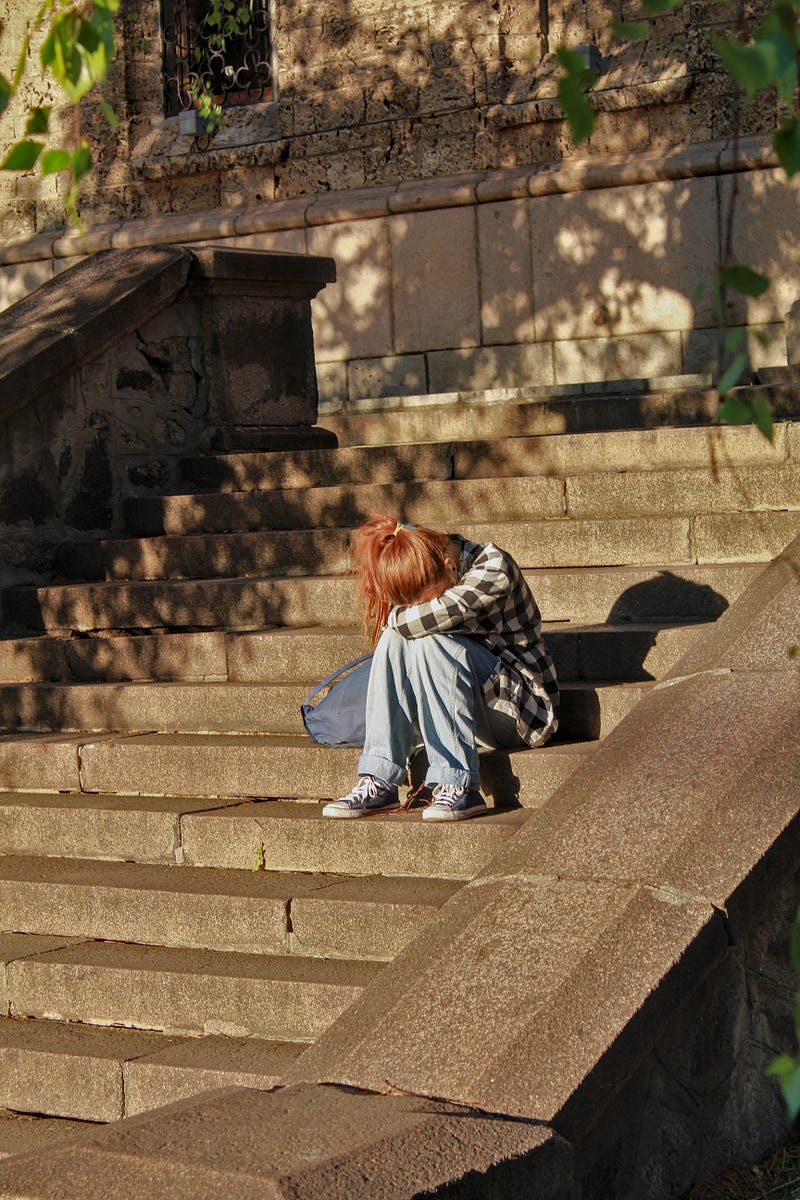
It is so, so important for parents, teachers, and society to recognize and respect that hyperlexic kids have their own set of needs and challenges and are not, as my mother called me so many times, just “like Einstein.”
Parents could instead provide these kiddos with the supportive and nurturing environment they need that fosters their development and well-being.
My whole family is low-key disappointed (and not afraid to tell me!) that I didn’t grow up to literally be Elon Musk.
I was ashamed at 18 when I only got into Barnard because it was a seven sisters' school and everyone else got into ivy league schools.
It didn’t matter because undiagnosed autistic burnout would ensure I never even finished college.
And for Baphomet’s sake, please never treat your child as though they are possessed!
I have a really cool uncle I will never truly get to know because of ignorance, ableism, and superstition.