
WRITING
My Life as a Minor League Journalist
A good newspaper can be the lifeblood of a small community
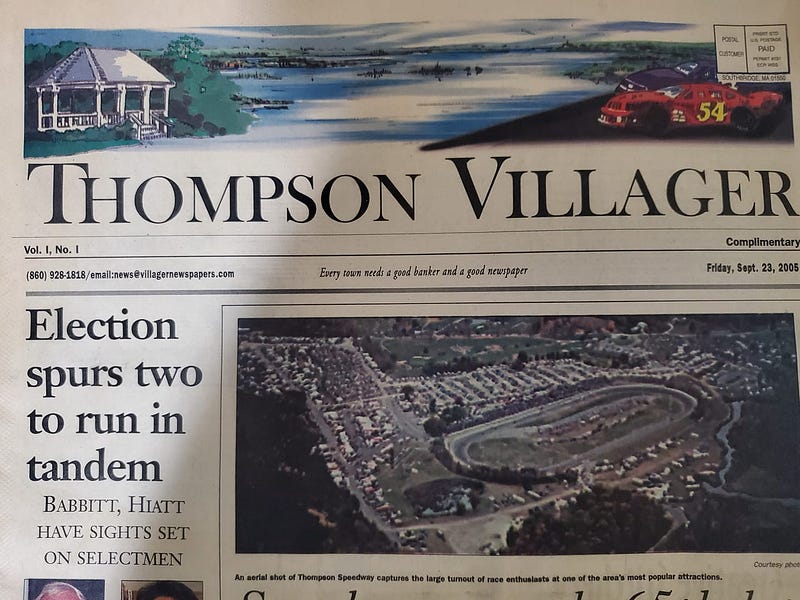
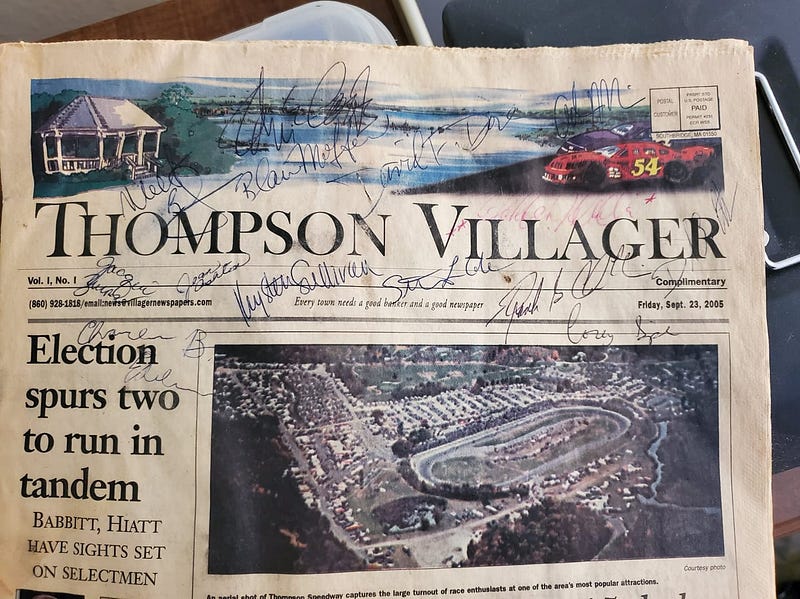
I arose from bed one morning in 2000 and decided I wanted to be a journalist. I had no experience as a journalist. I had no writing experience at all.
So, why did I want to be a journalist? I’m not entirely sure. After being retired from the military, I was looking for something different.
One day I found myself perusing journalismjobs.com , a website dedicated to jobs in various writing professions and television.
One of the first jobs I applied for was as a reporter for a tiny weekly newspaper in North Dakota, near the US/Canadian border. The newspaper was on a Native Peoples reservation, which I thought was fine because it would provide a larger learning experience. I contacted the editor via email.
I learned the reporter was responsible for 2,500 column inches each week. In a small community, any story was game for printing, including recipes for, say, Aunt Sally’s homemade apple pie.
I was expected to pay rent, gas, and bills on the tidy sum of $20,000. I declined the offer.
A few days later, I found an ad for the Clinton Item, a small weekly newspaper that, at the time, was owned by the New York Times. Hello, benefits and great pay.
I submitted my resume, which consisted primarily of my military experience. The editor contacted me the same week, asking me to write a profile about a high school musical director. I jumped at the chance and submitted the story to the editor within a week.
Surprisingly, I got the gig. Honestly, I believe it had more to do with the tax break for hiring a disabled veteran than my skills.
After I started working for the Item, I noticed a lot of curiosity about my last name. The name of the publishing company was Coulter Press. I didn’t realize I was related to the former owner (I was), so some folks were leary. Of what? I had no idea.
I started at $20,800 annually, paid at $10 an hour. My first check included two hours of overtime. I became a salaried employee the following week.
Unfortunately, I had — and still have — a bad habit of running my mouth. A month later, I was looking for another gig.
I was lucky enough to land a freelance job as a reporter for the Worcester Telegram, which the Times owned at the time.
At the time, newspapers were in the early stages of losing classified ad revenue thanks to the growing popularity of the internet. If they only knew.
After a few months, I managed to get a part-time job as a gopher at the Telegram. Most of the people there treated me with respect, despite my lowly status. One didn’t. We had a chat one day and got along famously after that.
Some full-time jobs opened up after I got there. But the Telegram insisted on a bachelor’s degree. My associate’s degree didn’t wash with them despite my experience as a freelance writer.
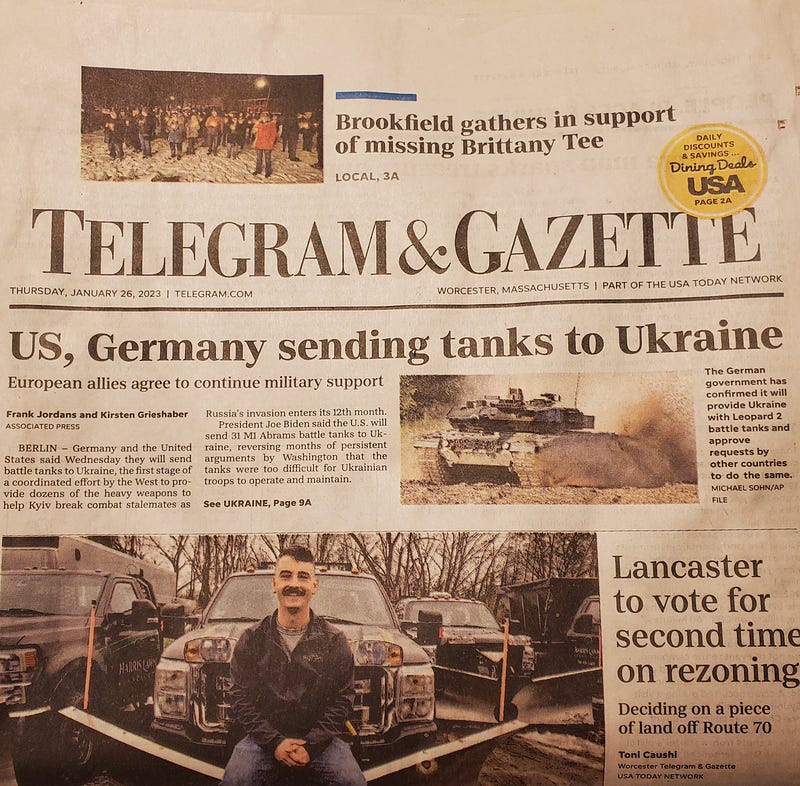
I was fortunate to write some great stories for the paper. That comes from working with an editor, a Pulitzer finalist who was willing to take the time to teach me about journalism. Jay Whearley was a helluva writer, editor, and even better human. I can say the same for the evening city desk editor, Winston Wiley, who’s retired now. They were the only editors who would invite me for a beer at the city desk on Friday nights when the newsroom was quiet.
Several months later, I applied for a reporting job with StoneBridge Press in Southbridge. I was hired to work at the Blackstone Valley Tribune in Uxbridge. That began my years of 35-to 50-mile road trips each way for work. Good times.
My editor was Walter Bird, who I consider a good friend to this day.
The first story Walt assigned me was about a 16-year-old girl who died after her car flipped over on an icy road. Try knocking on a door and asking a grieving mom to talk about her dead daughter.
Six months later, Walt took me to Connecticut, where we opened new titles in Thompson, Putnam, and Woodstock. It was a proud moment for the entire staff, and we had fun doing it. Not long after that, Stonebridge added two more publications, this time in Massachusetts.
Sadly, after one of the co-owners passed away, the other co-owner, who was much more interested in profit, started making changes: layoffs. I was earning a lousy $28K, which was too much to pay a reporter.
Nowadays, many newspapers are owned by hedge funds, and profit is king.
My last stop was GateHouse Media New England. When I started working in the Concord office, we had enough staff to fill portions of two floors and an office in Lexington, Mass. We were down to a small office space on the second floor a decade later. The Lexington office held its own for a time, but it’s now closed.
GateHouse, better known as Gannett these days, shuttered century-old publications. The layoffs have continued — unless you’re senior management. There are few, if any, publications in print. Most exist only online today.
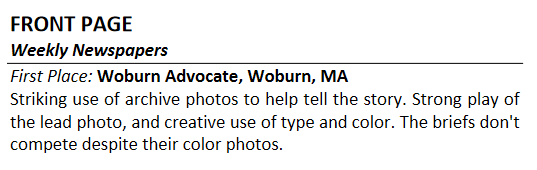
If I have anything to brag about, it’s starting new publications. I received a first-place award for front page design from the New England Newspaper & Press Association. I also received the Philip Bohunicky Humanitarian of the Year Award for my work with WAVM, a student-run radio station in Maynard. Both awards annoyed my managing editor. Sometimes, life is good.
By the way, despite the headline, I’m proud of my role in local journalism. Small weekly papers are sorely needed in communities across the country.
Sadly, readers don’t say much about the lack of coverage in many cities and towns. And they have no idea what’s happening behind closed doors in local government. If you’re not subscribing to a local newspaper, don’t complain when town managers or city mayors make decisions out of the public view. We get what we deserve.
If you’ve read this far, thank you for stopping by. Lay 50 claps on me and comment if you would please. I will return the favor. Cheers!
I accept tips, which go directly to Dining for Hunger, a recognized 501(c)(3) organization that looks to end food insecurity. If you can spare a dollar or two, I’d be grateful.
More stories from Bruce Coulter.


