
My Journey Into Fashion Photography
It was all going so well, and then the pandemic…
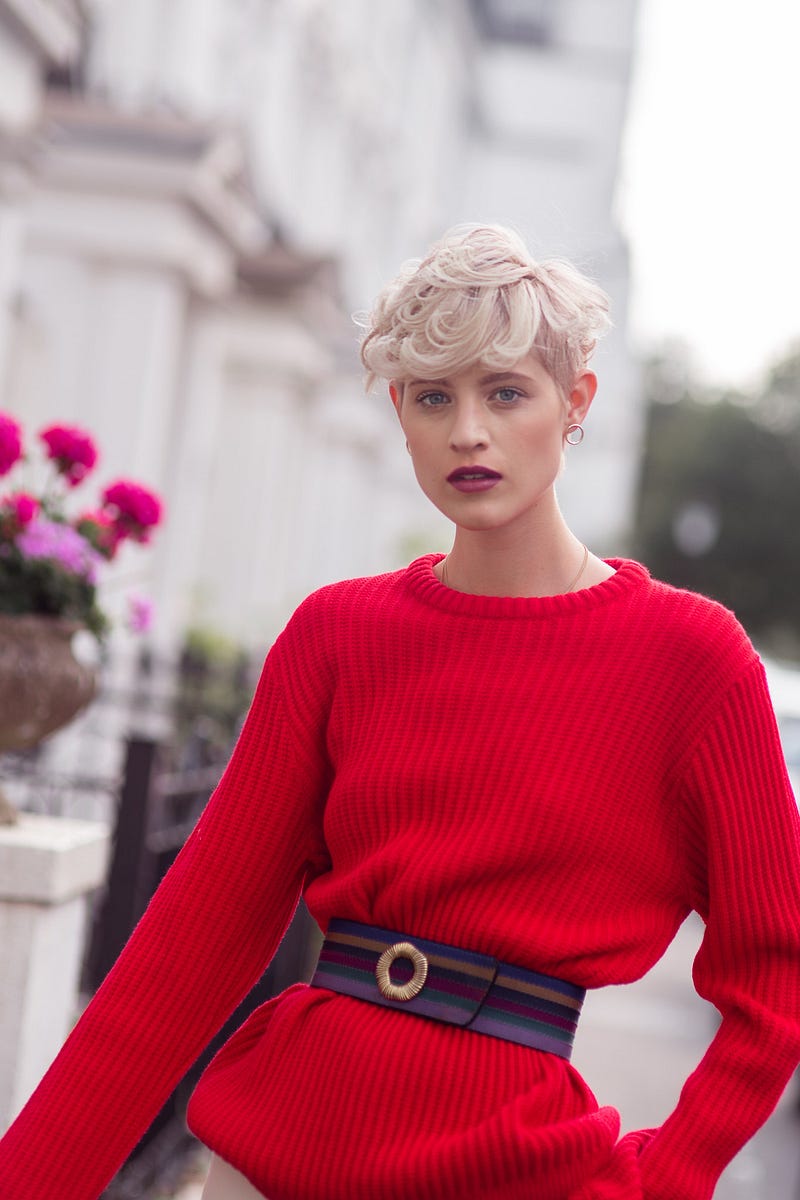
My wife and I are watching Emily In Paris and I’m thinking to myself, I know this world, I’ve been among those types. Go back 10 years and I wouldn’t have been able to say that — the viewing experience would have been different.
10 years ago I still had a full-time job in education. My only connection with a slightly more glamorous world than that of classrooms, staff rooms, and conference halls happened when I occasionally attended a book launch or a prize event in the world of children’s publishing. (I have a website, ACHUKA, that recommends and promotes the latest children’s books).
I’ve been crazy about cameras, photography, and photographers for as long as I can remember, but until I went freelance in 2013 I had only ever been a hobbyist photographer, taking street and family photos and documenting family life — all at weekends and in the holidays.
Suddenly I was free of time constraints and also had some capital to invest in more professional equipment. I bought my first full-frame DSLR, a Sony a99 (hard to believe that Sony was still somewhat looked down on by the Canon and Nikon crowd at that time), and a small number of decent lenses to use with it — principally, a Sigma 85mm (1.4).
The a99 + 85mm combo was my go-to setup over the next few years.
I had always wanted to shoot portraits. People photos were what interested me. Back in 2005 I had joined Flickr and immediately fallen in thrall to an inspiring group of young (mainly female) photographers creating inventive and atmospheric self-portraits.
I was moved to take some photographs of myself and post them to my own feed. But taking portraits of others was what really interested me, and grabbing candid portraits in the street no longer cut it.
I arranged to have a 1–1 very basic walkthrough in a Brighton photo studio. I had never been in one before, so this session had to be _really_ basic. Here’s how you put up a light stand. Here’s how you put the light on the stand. Here’s how you add a softbox. Here’s how you turn the light on. Yes, that basic!
Next, I attended a small group portrait workshop using a volunteer teenager as subject and learnt the rudiments of lighting a model, first using just one light, then two and three lights.
After that I made a private arrangement with the volunteer model and her make-up artist friend and did a solo shoot, experimenting away.
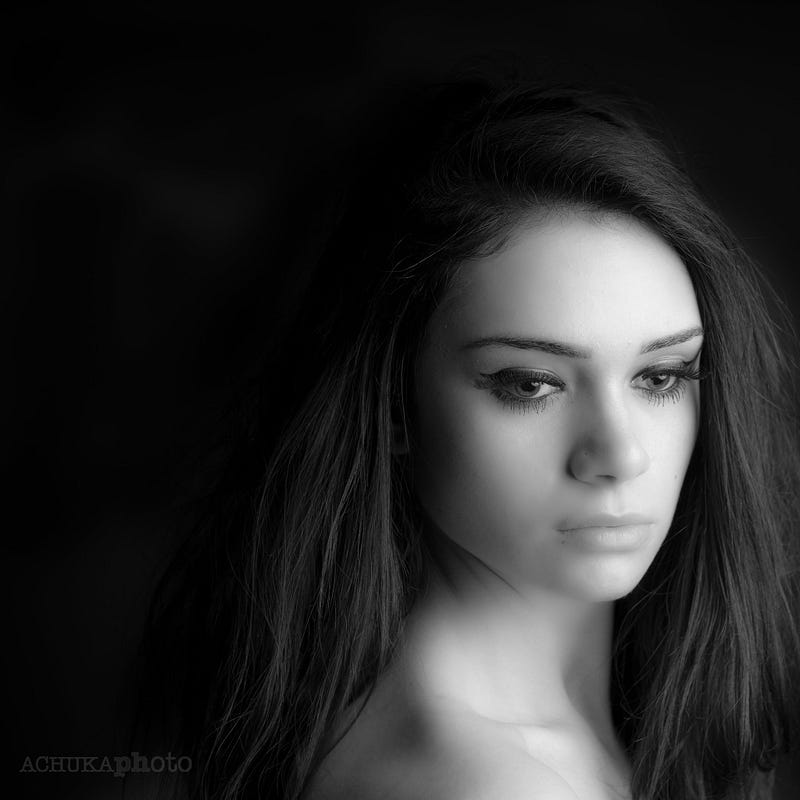
I’d been taking photos as a serious hobbyist photographer since being a teenager, so it was tempting to think I already had the skills required to take good portraits. All I needed were some willing subjects. It was soon clear I had a lot to learn, both in and out of a studio.
I’m a great believer in learning by doing. So after those brief introductory lessons in the studio, and one Sunday morning workshop working on outdoor setups, I arranged shoots as often as I could, nearly always on a TFP basis.
TFP is an outdated acronym which stands for Time For Prints. A model gives their time in return for some ‘prints’ from the session. In the digital age, it now simply refers to an agreed sharing of a certain number of edited images from the shoot.
If a photographer can demonstrate basic expertise and an ability to produce portraits of sufficient quality they should always be able to find models happy to work on this basis. At least, I found that to be the case during the years (2014–2017) that I was working primarily in this way.
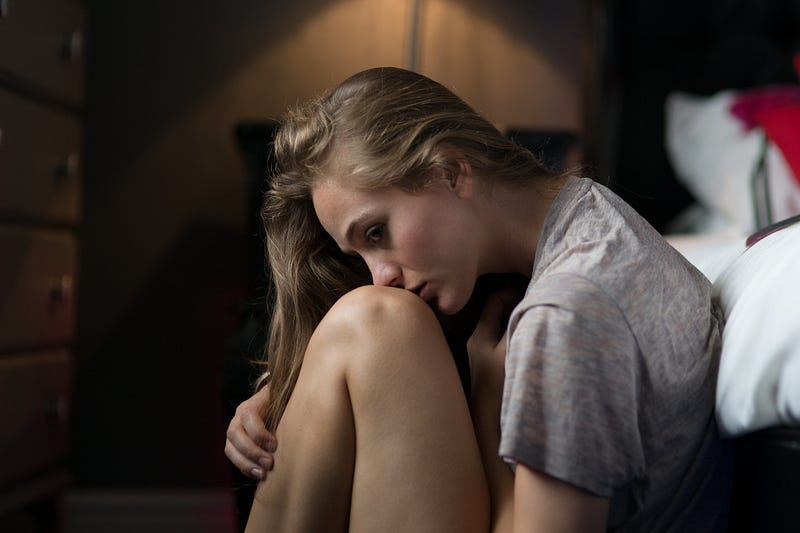
I am grateful to all those who gave their time but there were more than a few frustrations. Reliability was an issue. Lateness, for one — and even no-shows, with hard-to-believe excuses.
But a failure of a shared vision was the thing that began to grate the most. Subjects would arrive without having looked at the carefully prepared moodboard beforehand, or without outfits that corresponded to it.
My preference when shooting portraits is for the subject to appear relaxed and natural, but very often the models would have preconceived notions of ‘posing’. Those who had lots of experience would spring into a fresh position every time I pressed the shutter.
Sometimes I had to become very firm and say, No, stay still, and look towards the light from the window while I move round you with the camera.
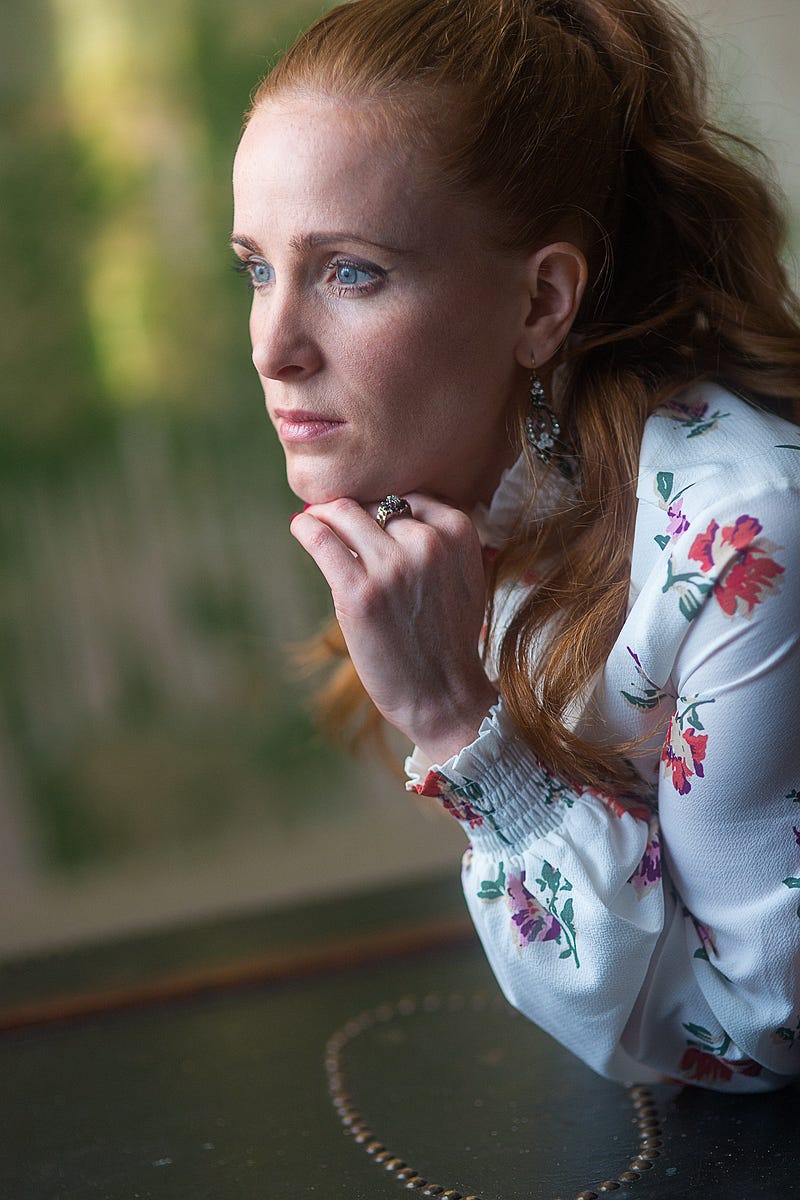
Another issue was that models were understandably keen to obtain images for their portfolio that would encourage paying photographers to book them, with the result that some shoots strayed into the ‘glamour’ genre more than I would have liked.
The dynamic is altogether different if the model is being paid. I did, on a few occasions, work in this way. Either to shoot a face I was particularly keen to work with, or to fill a studio slot after a late cancellation.
Once I was on the train up to Birmingham from the south coast and the model cancelled mid-route. The journey was already being made and the studio was booked and paid for. So what should have been a TFP shoot turned out to be a paid shoot with a model chosen out of necessity just so that the studio time could be used.
Eventually, I built up a solid enough portrait portfolio to be able to approach modeling agencies with a view to test shooting for them.
What a difference that made! From 2018 through to the start of the pandemic, I worked only with agency models — mainly new faces.
The attitude was spectacularly different. Not once did an agency model arrive late for a shoot. I did have one male model who went to the wrong meeting place but this was quickly resolved.
I guess it helped that they had been newly signed to the agency so were keen to make a good impression.
One thing, however, did not change. The models still struggled to find things in their wardrobe that matched the moodboard I had sent them. But they did at least try, and apologized whenever they had been unable to supply an article suggested.
The best experiences I had were working alongside stylists whose job was to provide the clothing and looks for the shoot. Now that I was working with agency models, it was easier to encourage stylists and MUAs to join me on a shoot.
Team working is a lot of fun. But everything takes longer and, as a photographer, you have to get used to waiting around a fair bit while each look is changed. Not so bad on a location shoot, but when you’re paying for studio time it can become stressful.
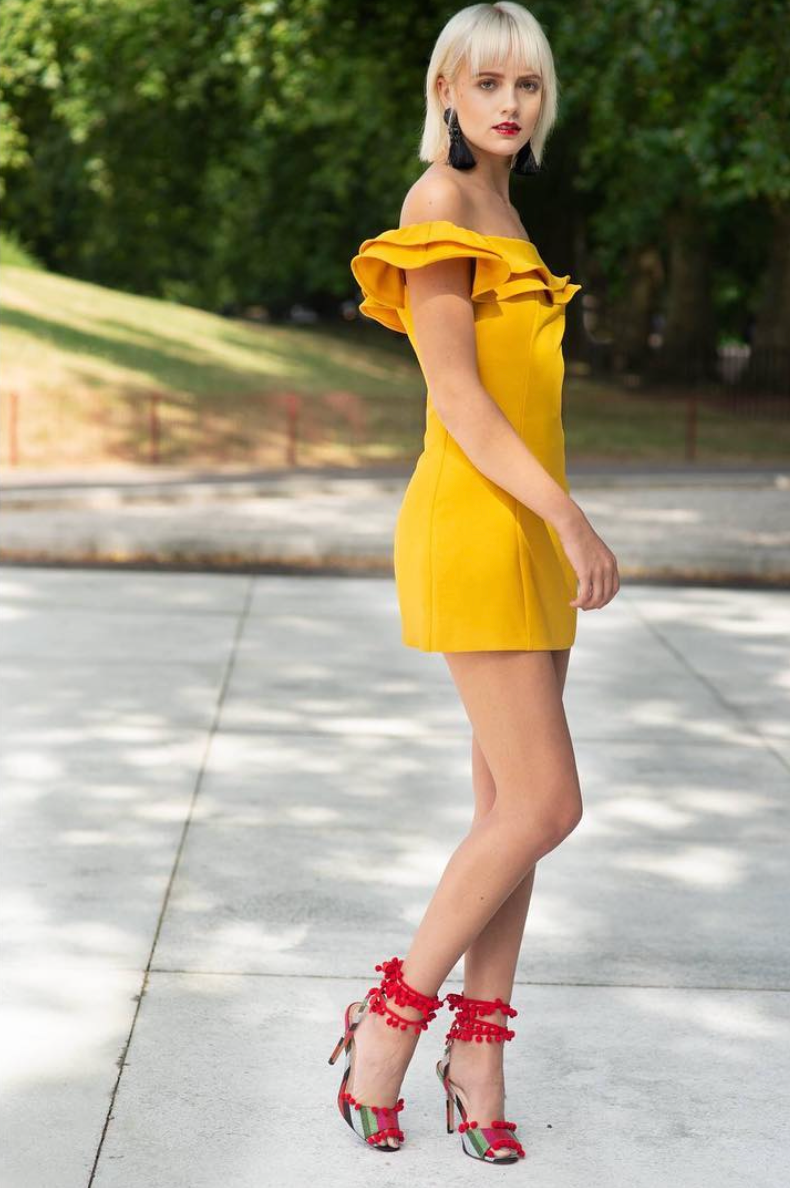
In five years I had gone from being a portrait novice to working with agency models, shooting some runway shows, and getting some backstage experience.
I was enjoying it and had every intention of carrying on and hopefully getting to work with different agencies and, who knows, maybe doing a paid shoot for a brand every now and then.
So when Covid put a stop to all that it came as a blow.
But, you know, I now consider it a blessing in disguise. Who was I fooling? I was not a young photographer in his mid-twenties with a shiny fashion career ahead of him, however persuasively I kidded myself that I could have the same aspirations as a younger man.
I was simply a convenient provider of images for models and agencies, paying for studio time on their behalf, and spending countless hours editing and retouching each shoot, mainly for others’ benefit.
I enjoy editing, and value the Photoshop skills I learned in the course of doing this work. But, goodness me, it takes some time!
During the last three years, I’ve hardly touched my 85mm portrait lens or Sony cameras, except for some exploratory wildlife work with a long lens (that’s a wholly different learning journey). Instead, I’ve been using 10 yr old Fujis — x10, x30, and xe1 — as well as an iPhone 13pro, and getting back to shooting local and family photos.
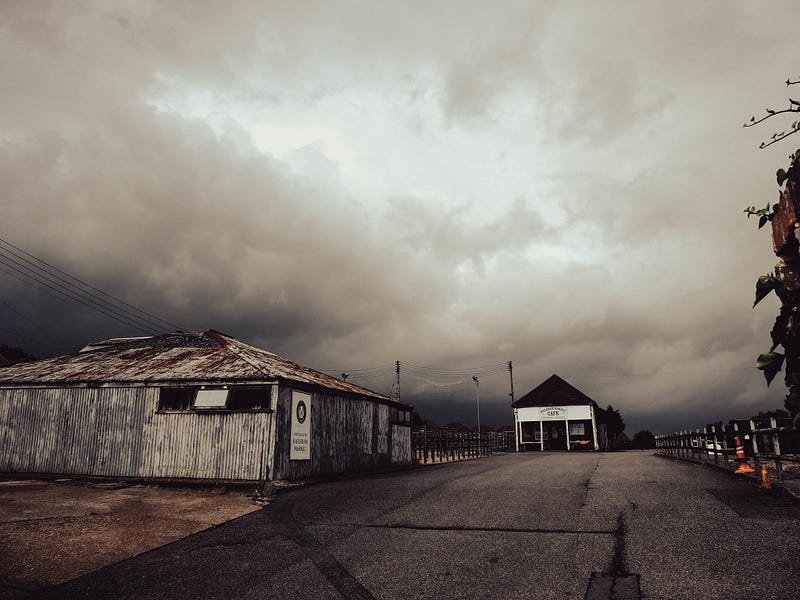
Will I ever do a portrait shoot again? I certainly hope so. But it will need to be with a subject who is firmly committed to achieving a specific concept and able to help create the looks and mood required.