
My Japanese Wife Taught Me the True Meaning of Spirituality and Respect
HINT: It ain’t tattoos in a language you can’t read or write
“I love your tattoos; they’re so cool,” the young Australian blonde girl said to the muscled-up guy flexing next to her at the bar.
“Yeah, like stamps in my passport, they all have deep meaning in my life and represent steps along my journey that have crafted me into the man I am today,” he answered, as he pulled his shirt up higher to show off freshly shaved arms and another tattoo, this time Japanese characters written in kanji.
“Wow, I love that so much!” she squealed. “I really want to get something spiritual like that too.”
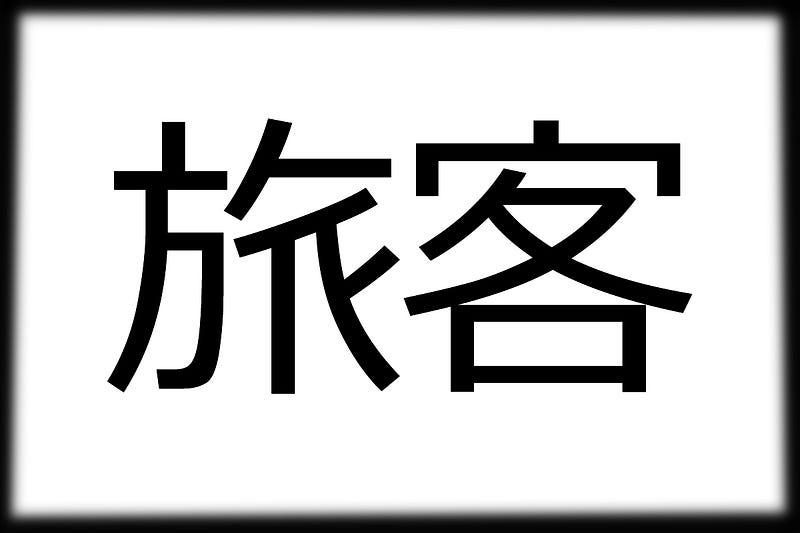
“This means ‘traveler’,” he said, with an aura of learned world wisdom that would’ve made Marco Polo blush.
“I’ve been away from the US almost a year now, so it’s a profound part of my story. I got it done in Bali last month by one of the locals in Canggu.”
“Oh my God, that’s so authentic. That really resonates with me!” she said.
I thought she was going to explode in a giddy ball of effervescent excitement.
I thought I was going to vomit, but my curiosity got the better of me, so I glanced sideways at the tattoo on his arm.
I literally had to clench my bum tight and put my tongue between my teeth and bite. Hard.
His tattoo did not mean “traveler” in the cool way he thought it did, like a modern global nomad crossing the continents in a philosophical quest to understand life’s complex riddles.
Rather, it meant “passenger”, as in a passenger waiting to board a bus, or a passenger in the back seat of a taxi.
Gold!
These two deserve each other, I thought, as I waited for my Japanese bartender friend, Takashi, to return so I could say my goodbyes for the evening.
Then, to my absolute horror, Mr. Meaningful finished his beer, slammed it down on the bar so hard the other glasses rattled, and bellowed out: “3 Tequila shots Takashi!”
He looked my way and smiled.
“Not for me, thanks, mate, I’m heading home,” I said.
“Y’know, where I come from, it’s rude to turn a drink down,” he said.
Gone was the global citizen, replaced by gym-junkie jock.
I sensed trouble.
To take the sting out of a potentially dangerous situation, I came up with a plan.
“OK, how about this?” I said. “On a piece of paper, we can both write down your Japanese ‘traveler’ tattoo in the kanji characters, and Takashi can judge whose kanji is best. If yours is better, I’ll drink the tequila. But no looking at the tattoo on your arm, OK?”
I’d stopped in at the bar on my way home from work, so I had papers and pens in my bag. Before he’d had a chance to refuse, I pulled some out and gave one of each to Mr. Meaningful.
“Oh my God, this is so cool,” said the blonde girl. “You’re going to write out the Japanese tattoo you designed!”
My Japanese is far from perfect, but I knew how to write the kanji for ‘passenger’. It’s part of the JLPT3 set of words in the Japanese language tests — JLPT1 being the highest level.
Within a minute, I’d finished. Not perfect, not bad. Legible, at least.
Mr. Meaningful Tattoo hadn’t started.
“Dude, I’m too drunk to draw this shit. I’ll just drink your fucking tequila,” he said.
I said goodbye and left them to enjoy each other’s truth, depth, and authenticity.
The next morning was a Saturday, and after I’d dropped our daughters off at school, I asked my Japanese wife, Minako, if she wanted to go for coffee.
“I can’t,” she said. “I’m going to Aoshima Shrine to do ‘yakudoshi’.”
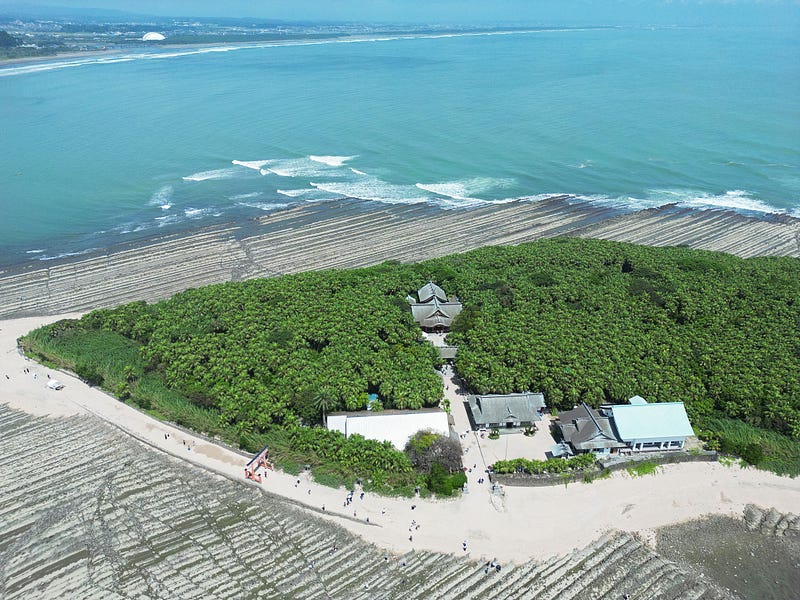
Yakudoshi, written as 厄年 in Japanese, translates to unlucky years, or calamitous years. Minako is 37, and that is deemed an unlucky year for women in the Shinto tradition. That’s why she’d made an appointment to go to the shrine — to ward off the evil spirits that might have been lurking and ready to rain on her at any given moment before she turned 38.
“Can I come?” I asked, always eager to watch her engage in traditional cultural practices.
“Sure,” she said, “But don’t ask questions until it’s finished or interrupt anything, OK?”
I agreed, and off we went.
As we walked to the shrine and Minako prepared for yakudoshi, just watching her go through the processes outside and inside the shrine reminded me of how much ritual and tradition pervade everyday life in Japan.
And how dutifully Japanese people adhere to cultural protocols.
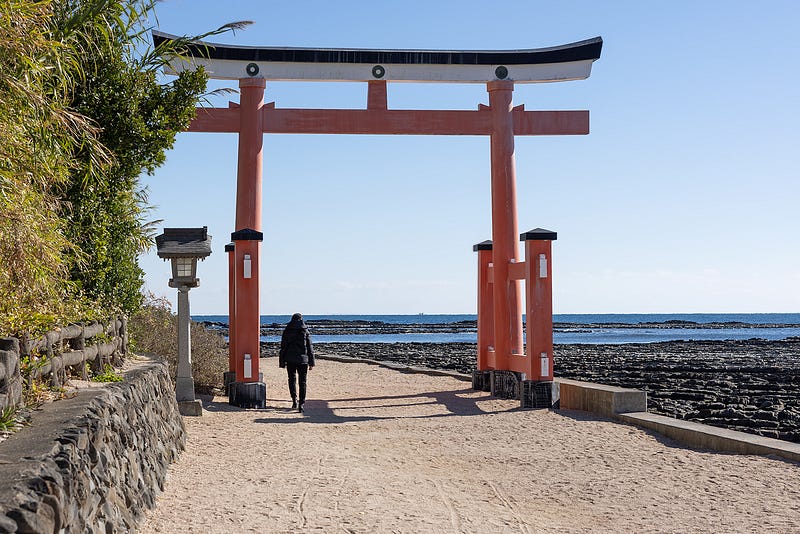
The first example was when Minako approached the big red shrine gate (torii) that separates the spiritual and secular worlds. There, she stopped before the torii and bowed, hands clasped together in front of her, then moved to the side to ensure she didn’t pass through the centre of the gate.
I watched a procession of Japanese people do the same.
Naturally, I did too.
When I first came to Japan in 2005 and observed this, I thought it might have been to get out of the way of elderly people passing through, as Japan is so age hierarchic.
Wrong.
The centre area under the torii is the passage reserved exclusively for the deities and the God of the Shrine.
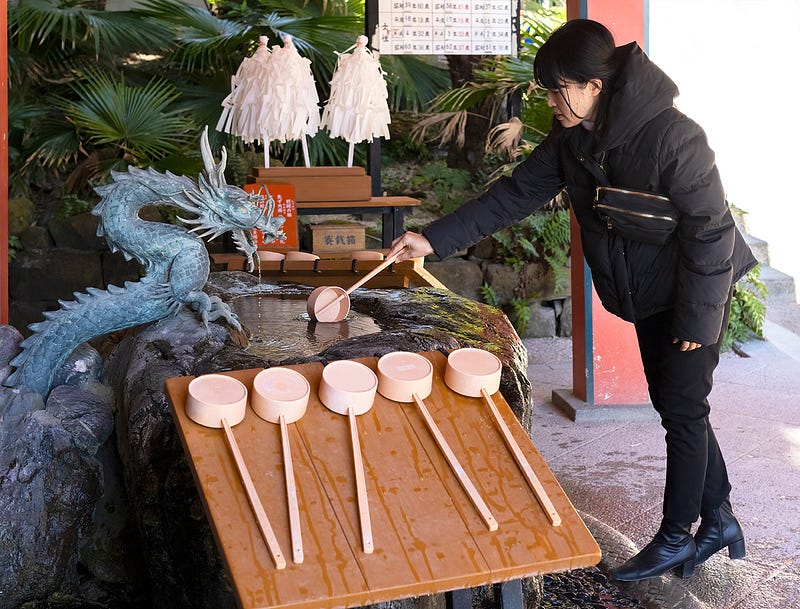
Through the torii, once Minako had entered the grounds of the shrine, she stopped at the designated dragon water area (chozuya) to cleanse her hands and mouth before going into the main shrine itself.
I watched, mesmerised, as she went through the process of swapping the ladel (chozu) from right hand to left hand flawlessly and meticulously at all the appropriate moments.
It was the act of a person deeply familiar with cultural codes of practice — much more so than others who had to read the instructions printed in multiple languages.
Like me.
Finally, when she got to the main shrine entrance at the top of the stairs, she ensured she did not step on top of the small red barrier that juts up about a foot off the ground and serves as another divider of worlds.
I watched every Japanese person do the same thing, then observed a few foreigners plonk their big dirty hoofs straight down on top of the barrier under their feet without a worry in the world.
Simple mistake? Or chronic lack of awareness and surroundings?
I couldn’t tell.
Once Minako entered the inner sanctum of the shrine and the Shinto priest introduced himself, he informed us that as I was family, I could discretely stand outside and take photos, but under no circumstances could I walk inside and shoot with my camera.
That was fine by me.
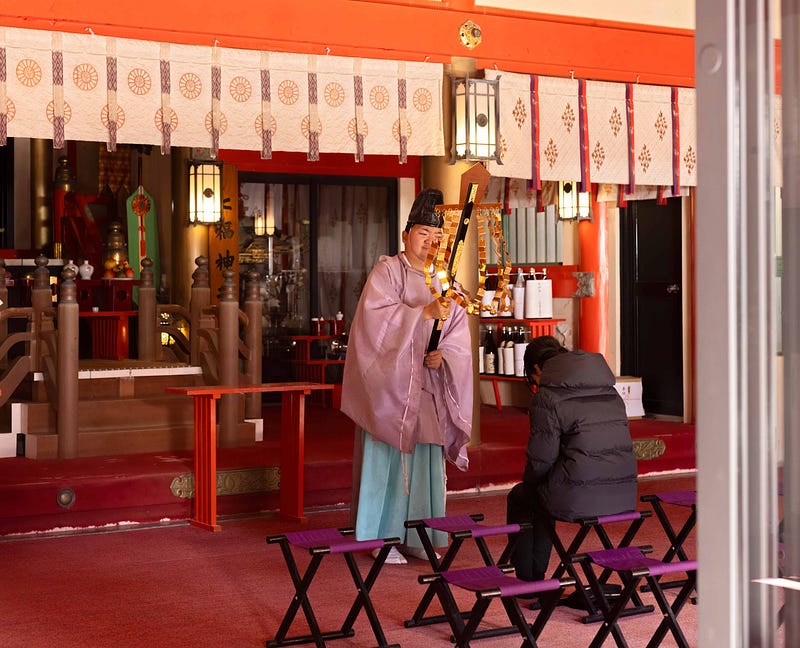
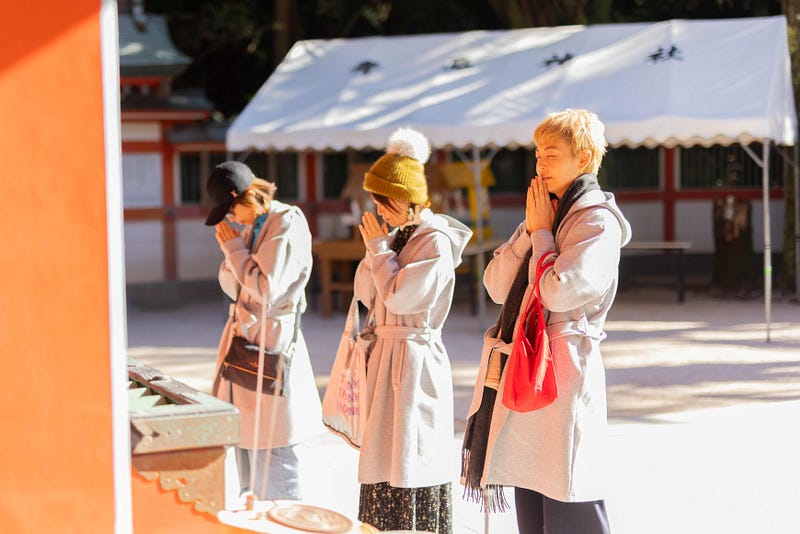
While Minako went through all sorts of blessings and offerings and chantings and bowings, I stood to one side and watched. I also looked on as visitors to the shrine went through all the rituals that take place at shrines, including the 2–2–1 (二礼二拍手一礼) of two bows, two claps, and one, deeper, longer bow after silent prayers have finished.
I then watched on as Western tourists one by one botched the bows or crapped the claps, often awkwardly apologising to onlookers for their mistakes.
It didn’t bother me. Why would, or should they know shrine etiquette so intimately?
But it did make me consider Japanese people’s deep understanding of cultural practices and how the West, in particular, has become so secular and indifferent to traditions.
When we left the shrine, I asked Minako about yakudoshi and its origins, and she patiently explained it all to me without ever pausing to clarify things in her own mind.
Calm, confident, and assured, she embodied someone proud of her country’s cultural customs.
No condescension or patronising sarcasm at my lack of knowledge on a ritualistic practice seemingly so basic, just sharing her knowledge and wisdom gained from 37 years of living and breathing her Japanese heritage.
On our way home, I pondered what spirituality and cultural practice really mean.
While many people might not believe in such things and may dismiss traditions like yakudoshi as infantile superstition, I love how they are deeply woven into the fabric of Japanese culture and behaviour, and universally taught to kids from a young age.
I take great pride in seeing my daughters follow protocols like the 2–2–1 when we visit shrines together.
Then my thoughts drifted back to Mr. Meaningful at the bar the previous evening and his Japanese kanji inked by a Balinese tattooist at a shop in Canggu.
His pretentious display of respect for culture and tradition was as deep as a puddle in the Sahara. Yet less than 12 hours later, my wife, Minako, had demonstrated perfectly the true meaning of spirituality and respect.
If you liked this post and you’d like to know how I consistently make a happy 2nd income from Medium, click here to get my free 10-point guide to Medium writing.


