avatarLacey Dearie

Free AI web copilot to create summaries, insights and extended knowledge, download it at here

1928

Abstract

dissertation will be submitted in May. All being well, I will graduate in October.</p><p id="12b0">As part of the last module, I’ve found myself learning about screenwriting and plays. I have a particular fascination with radio plays. There’s something intriguing about a story told through a medium that allows only sound and no visuals. Dialogue has never been my strong point and if I honed that skill, I think it would help every other area of my writing career.</p><figure id="7569"><img src="https://cdn-images-1.readmedium.com/v2/resize:fit:800/0*4lLrs5QtDfo5164J"><figcaption>Photo by <a href="https://unsplash.com/@rexcuando?utm_source=medium&amp;utm_medium=referral">Eric Nopanen</a> on <a href="https://unsplash.com?utm_source=medium&amp;utm_medium=referral">Unsplash</a></figcaption></figure><p id="c50d">But screenwriting is my focus this week. It’s completely different from short stories, my usual genre of choice and my comfort zone. Screenwriting has a completely different layout and audience. You’re not writing for a reader. You’re writing for directors, actors, producers. You’re writing for a potential performance. I’m led to believe it’s difficult to make it as a screenwriter and I can see why. The script I’ve written would cost tens of thousands to produce and I can’t see it ever happening. Who would take a chance on that for a newbie writer?</p><figure id="00ea"><img src="https://cdn-images-1.readmedium.com/v2/resize:fit:800/0*I7BYRpSIGomreCPb"><figcaption>Photo by <a href="https://unsplash.com/@veedubsimon?utm_source=medium&amp;utm_medium=referral">Simon Moore</a> on <a href="https://unsplash.com?utm_source=medium&amp;utm_medium=referral">Unsplash</a></figcaption></figure><p id="9fa2">When I write a short story or a novel, I’m always trying to show, not tell. In screenwriting, I’ve found that I have to tell a little in straightforward terms, so that the actors know exactly what will be

Options

happening. It’s up to them how they interpret the scene, but they have to know the basics in straightforward language.</p><p id="76a1">For example, each scene starts with INT/EXT to tell the reader if it’s inside or outside, followed by the specific location where it’s set (for example, KITCHEN), then the time of day, such as DAY/NIGHT. For someone who is always thinking up descriptions and trying to tell a story without such straightforward language, it was a huge mindset shift. I have to admit, there was something satisfying about being able to convey that information so quickly and simply. The amount of white space stressed me though.</p><figure id="15d3"><img src="https://cdn-images-1.readmedium.com/v2/resize:fit:800/0*1PO0GcHvV3IazJxI"><figcaption>Photo by <a href="https://unsplash.com/@chuklanov?utm_source=medium&amp;utm_medium=referral">Avel Chuklanov</a> on <a href="https://unsplash.com?utm_source=medium&amp;utm_medium=referral">Unsplash</a></figcaption></figure><p id="7f53">The layouts initially baffled me and I found myself studying scripts for Only You and 10 Things I Hate About You, because I’ve seen those movies a hundred times each and I know every single scene well. It was useful to study how the script compares with the finished movie.</p><p id="e0b8">One thing I didn’t realise before I started was that Microsoft Word makes it really easy for you in terms of layout. If you download the appropriate template, it has headings for dialogue, character name, transitions etc. so that you don’t have to constantly change the margins. You can set your text to the right place with a touch of a button.</p><p id="c793">I’m really enjoying my first steps into screenwriting. Will I pursue this as a potential hobby or career path? I’d never say never, but right now, I’m saying probably not. It’s still been an enriching experience and something I’m really pleased to be trying.</p></article></body>

My First Steps Into Screenwriting

You will never know everything about writing
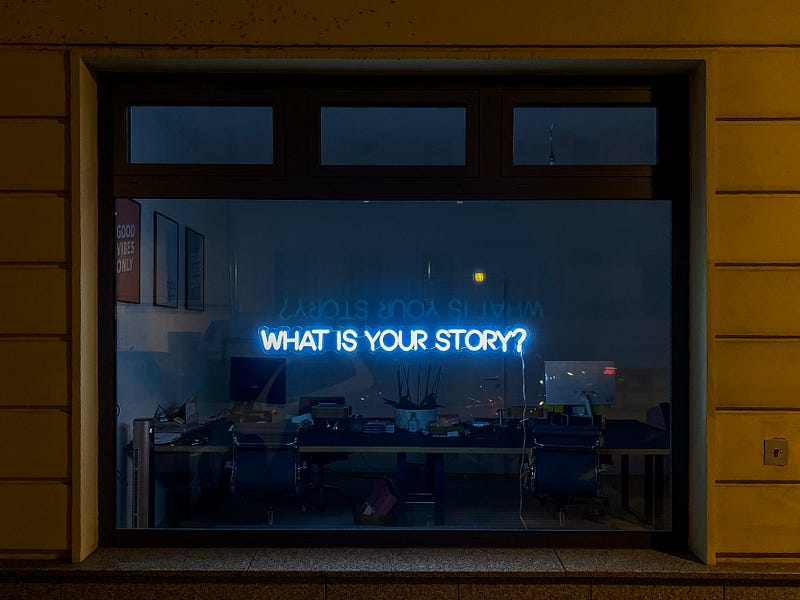
Photo by Etienne Girardet on Unsplash

I started writing professionally in 2002. I was a book-keeper at the time and I took the job because they were the only place who would hire me. I think a lot of us have been there! It wasn’t what I really wanted to do but I became lazy. It was after a minor car accident that really shook me that I started re-evaluating my life and decided to pursue writing professionally. So, I took one of those creative writing courses that teach you very little but guarantee success, or a refund of your money.

As it happens, I did find success. My first piece was an article about Friday the 13th followed by a review of an Ocean Colour Scene concert. I was published in women’s magazines, started working on a novel and had big dreams.

If you’ve been around for a while, you know the rest. I ended up writing cozy mysteries about a cat detective and made a respectable career out of it, with my feline sleuth gaining a cult following in North America mostly. The money, for the most part, came from one chick-lit novel that got to number one in the Amazon chart in 2012 and anonymously writing really bad and distasteful erotica.

Hey, don’t judge. There’s a lid for every pot and there was always someone out there willing to pay for what I had written.

I embarked upon a creative writing degree a little while back and I’m almost done. My last tutorial is in less than two months. My dissertation will be submitted in May. All being well, I will graduate in October.

As part of the last module, I’ve found myself learning about screenwriting and plays. I have a particular fascination with radio plays. There’s something intriguing about a story told through a medium that allows only sound and no visuals. Dialogue has never been my strong point and if I honed that skill, I think it would help every other area of my writing career.

Photo by Eric Nopanen on Unsplash

But screenwriting is my focus this week. It’s completely different from short stories, my usual genre of choice and my comfort zone. Screenwriting has a completely different layout and audience. You’re not writing for a reader. You’re writing for directors, actors, producers. You’re writing for a potential performance. I’m led to believe it’s difficult to make it as a screenwriter and I can see why. The script I’ve written would cost tens of thousands to produce and I can’t see it ever happening. Who would take a chance on that for a newbie writer?

Photo by Simon Moore on Unsplash

When I write a short story or a novel, I’m always trying to show, not tell. In screenwriting, I’ve found that I have to tell a little in straightforward terms, so that the actors know exactly what will be happening. It’s up to them how they interpret the scene, but they have to know the basics in straightforward language.

For example, each scene starts with INT/EXT to tell the reader if it’s inside or outside, followed by the specific location where it’s set (for example, KITCHEN), then the time of day, such as DAY/NIGHT. For someone who is always thinking up descriptions and trying to tell a story without such straightforward language, it was a huge mindset shift. I have to admit, there was something satisfying about being able to convey that information so quickly and simply. The amount of white space stressed me though.
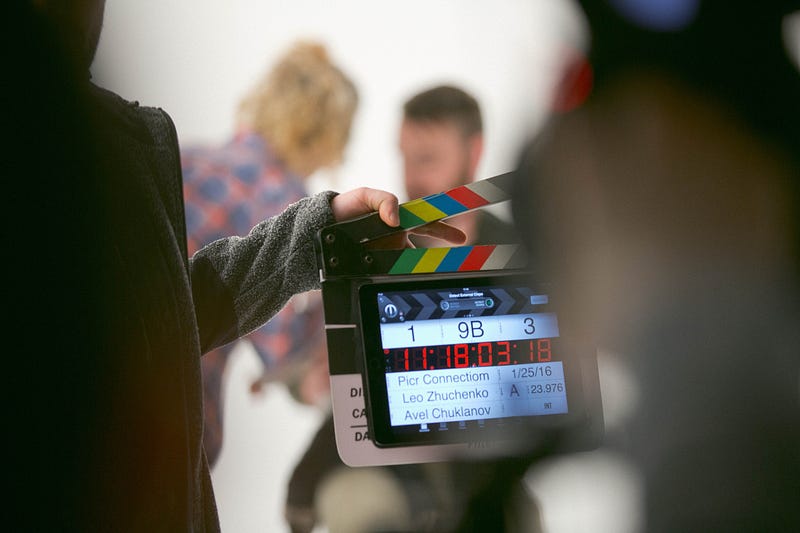
Photo by Avel Chuklanov on Unsplash

The layouts initially baffled me and I found myself studying scripts for Only You and 10 Things I Hate About You, because I’ve seen those movies a hundred times each and I know every single scene well. It was useful to study how the script compares with the finished movie.

One thing I didn’t realise before I started was that Microsoft Word makes it really easy for you in terms of layout. If you download the appropriate template, it has headings for dialogue, character name, transitions etc. so that you don’t have to constantly change the margins. You can set your text to the right place with a touch of a button.

I’m really enjoying my first steps into screenwriting. Will I pursue this as a potential hobby or career path? I’d never say never, but right now, I’m saying probably not. It’s still been an enriching experience and something I’m really pleased to be trying.

Screenwriting
Script
Writing
Trying New Things
Education
Recommended from ReadMedium