
My First Encounter With Childbirth
The most incredible experience I had as a student nurse
It’s hard to believe that 35 years ago, I was training to be a nurse and totally blind to what I was getting myself into.
One of the more exciting modules during my training was the Obstetrics competency. There’s something about newborns that not only brings joy but an appreciation of life itself. I was admittedly somewhat apprehensive; I was the baby in my family and had limited exposure to fragile little ones. As for pregnancy and birth, my knowledge was limited to contraception and coitus!
The assignment
Our learning for this module centred around following a pregnant mother through the birthing and postpartum process and then completing a health study on the experience.
I still have the assignment that I completed, and it has been wonderful to recount that whole experience 35 years later. It has helped me write this story and reflect on some of the notable differences between obstetrical care then versus now.
I was assigned, Diane. She and her husband and 2 other children lived on the outskirts of Invercargill and were expecting their third child a week later. I confess to being nervous about meeting someone at their home, not because I thought they were axe murderers but because I was so green to this whole process we were about to enter together. I was incredulous at their calm acceptance to have a strange, young and naive girl suddenly enter their lives and start asking very personal questions.
Both she and her husband made me feel welcome from the time I stepped in their door. Diane’s bubbly demeanour was reassuring; their two other adorable young boys were playing happily in the background.
We immediately clicked.
From our first meeting, I was able to complete her obstetrical profile. The deal was that when she went into labour, I would receive a call from the hospital to get my arse down there to be part of the delivery. When I think back on this time, the anticipation was exciting! I’d never seen a baby being born and was eager for the experience.
The labour and delivery
It was on a Friday night at 19h45 when I got the call. I knew that 3rd time around, babies come much quicker, and Diane’s delivery could be fast. Thankfully I made the 20 minute trip with plenty of time to spare.
She was already 5cm dilated and in active labour. We shaved the perineal area before delivery in those days, so this was my first task. All the preparation was done in a different room to where the mothers deliver at this hospital. Twenty-five minutes later, she was walking to the delivery room.
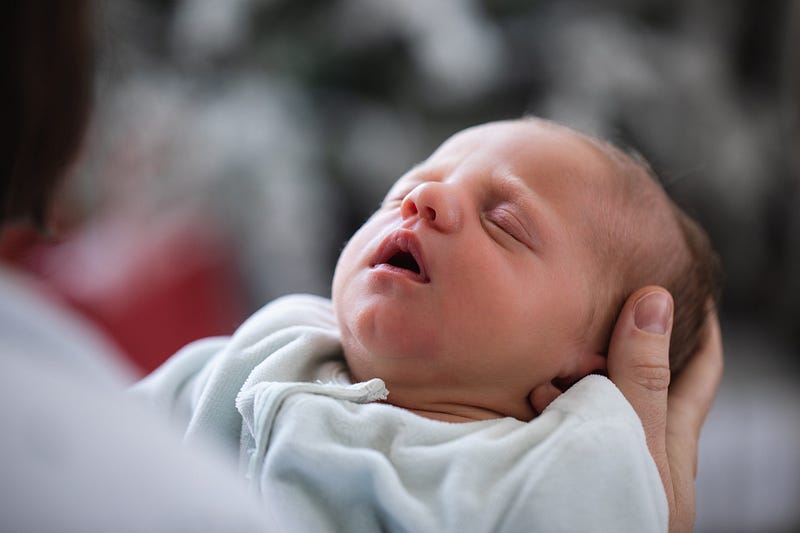
Two hours later, the midwife ruptured her membranes, and 10 minutes after that, her baby was born. It all happened so fast!
After the repair to the minor laceration she received, she was wheeled back to the holding area for a short period before being transferred to her room in the ward at 01h45.
It certainly was not my usual antics for a Friday night.
Comparing obstetrical care from then to today
Having recently spent six years in a postpartum unit, it was fascinating to read my notes from all those years ago.
The most significant change is in the length of time mothers spend in hospital after delivering. In those days, they would stay five days. Now, you’re tossed out after 36 hours for a vaginal delivery and 72 hours following a cesarean section.
Postnatal exercise classes were offered in the unit; that is unheard of here. Yes, we encourage and discuss kegel exercises, but that’s it. Women are bombarded with so much information after birth, I have no idea how they can retain anything. It is such an overwhelming time, especially for first-time mums.
When I read my nursing interventions, I cringed that I encouraged her to stop the baby from suckling too long at the breast to avoid sore nipples. It’s not the length of time the baby sucks that breaks them down; it’s a poor latch. I did not suggest she use the colostrum to help cracked nipples or verify that baby was well-latched. Expressing breast milk and skin to skin wasn’t vogue either. In all honesty, I knew diddly squat about breastfeeding back then.
Diane taught me more than the books ever did. I wrote that we exchanged ways to fold nappies; mine was likely textbook — I’m sure I’d never changed a baby before then — but her method was from experience. Of course, this also highlights that we only used cloth nappies back then. There was no such thing as disposables. Oh, the horror!
She demonstrated to me the first bath, then the following day, she was kind enough to let me do it under her supervision. I’m sure she must have been more terrified than me!
Cord care was done at each nappy change; surgical spirit was applied to the base of the cord to facilitate healing. The clamp was removed on day three. Now, we use just a moist q-tip, and the clamp stays on until the cord falls off independently, about seven days later.
In the hospital I worked in recently, the babies were weighed every morning. It is usual for newborns to lose 4–7% of their birth weight, but this was our way of monitoring their input. But 35 years ago, they were only weighed on day three and on discharge. You can’t see exactly how much a baby is receiving from the breast, but weight loss is a good indicator.
I also chuckled at the medications she was prescribed if needed during delivery—intramuscular pethidine or omnopon (narcotics) or nitrous oxide inhalations. Yup, we used to use the good old laughing gas for women in labour and when doing painful dressings. I haven’t heard those words since I moved from New Zealand.
Likewise, we don’t shave women anymore nor give enemas. I was meant to give Diane one, but we thought she would deliver faster than she did. Yes, women tend to poop during childbirth; the pushing process is the same as having a bowel movement ( I learnt that from my male doctor with my second-born!)
35 years later, Diane and I are still friends
The best part about this experience is that Diane and I still keep in touch. When I graduated from nursing, I moved to the other end of the country, and we exchanged Christmas cards each year. We still do, despite being in opposite hemispheres. I even visited them a couple of times on trips back home. It’s been lovely to watch my first baby grow into a young man.
I was so privileged to be welcome at his delivery and have this incredible experience as a young nurse. I dearly wish I could give my students the same experience that I had all those years ago.
After finding this assignment, I scanned it and sent it to Diane. Ironically, my teacher at the time commented on the mark sheet ‘This family will be an interesting one to follow through in future years.’
Was she ever right! Can I have ten more marks now, please?