
My First Christmas Carol in Prose and the Book It Came With
How a Christmas story, inspired by Charles Dickens, gifted me a cherished childhood possession.
I write these lines with a cheerful voice and a warm heart. Christmas isn’t a humbug, and we have every right to be merry.
If life only gives you lemons, and lemonade isn’t your poison, who says you have to go to the Amalfi Coast for some homemade Limoncello?
So, why should we be dismal? What reason do we have to be disheartened?
Inside, we are rich enough.
It’s the best time of the year to infuse those lemons with love and squeeze all that is sweet from the tartness of life. It’s time to revisit the wisdom found in old books
I don’t remember the first time I read A Christmas Carol, but Dickens’s words stuck with me into adulthood, finding echo first in movies: Scrooge (1970), Robert Zemeckis’ A Christmas Carol (2009), and then recently on TV with Steven Knight’s gothic adaptation of the classic ghost story in 2019. After rereading Dickens’s book, I’m binge-watching the latter.
That explains why, on this winter solstice, I felt inspired by Ebenezer’s words to journey back in time to a cherished childhood memory and the book that made me a writer, back when I missed my mom the most.
‘Bah humbug!
In the opening chapter of Dickens’ book, Ebenezer Scrooge is greeted by his grandson. Here’s how the dialogue unfolds:
“Don’t be cross, uncle!” said the nephew.
“What else can I be,” returned the uncle, “when I live in such a world of fools as this? Merry Christmas! Out upon merry Christmas! What’s Christmas time to you but a time for paying bills without money; a time for finding yourself a year older, but not an hour richer; a time for balancing your books and having every item in ’em through a round dozen of months presented dead against you? If I could work my will,” said Scrooge indignantly, “every idiot who goes about with ‘Merry Christmas’ on his lips, should be boiled with his own pudding, and buried with a stake of holly through his heart. He should!” — Charles Dickens, in “A Christmas Carol”
I recall how, during the gloomy days of COVID confinement, Ebenezer’s words in A Christmas Carol would resonate around Christmas time.
‘Bah humbug!
The long pandemic winter signaled, for me, the dawn of what I often refer to as The Days of Infinite Solitude (a literal translation of my to-be-published Portuguese poetic prose opus).
More than ever, back in 2020, Christmas felt like it wasn’t about gifts or joyful family reunions. Locked away in quarantine. I was once again alone and missing my beloved mother. There was a lesson here and we all learned it the hardest way possible.
The true holiday spirit can be found in the little things, in any small gesture of kindness or candor. Christmas is all about giving, and that’s why I am about to share with you, my friends, one of my most cherished memories from Christmas past.
The ghost of Christmas past
The first spirit, the Ghost of Christmas Past, takes us to my boyhood.
Many years ago, back in middle school, just before the Christmas holidays, our teachers came up with a school-wide writing challenge.
The prompt was to write a Christmas short story.
I’ve always had a vivid imagination, and my creative mojo was probably spiked by the holiday spirit. So, I wrote a piece about myself working as Santa’s little helper.
Hundreds of stories were written that day. I penned mine and forgot about it.
Then, a week before the Christmas holidays, my teacher shared the most astonishing news: my story had won first prize.
I could not believe it; I had never won anything in my life.
On the last day of school before the Christmas holidays, I was invited to the stage during the school’s festive season.
There, the headmistress congratulated me on my piece, and I received my prize.
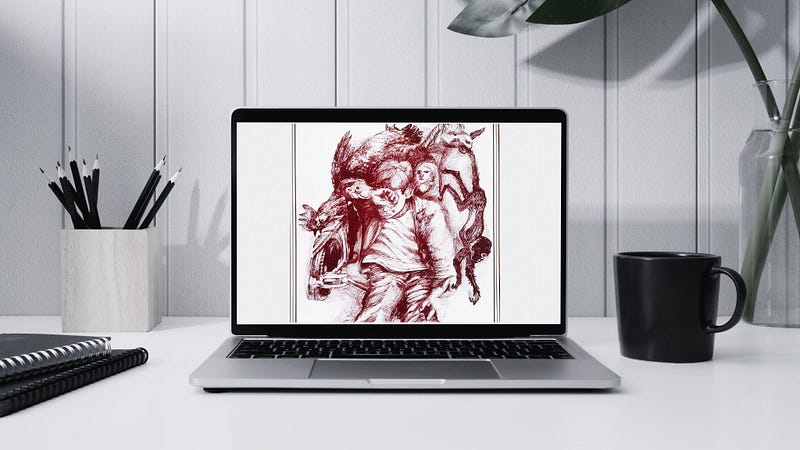
O Livro das Crianças (The Children’s Book) by Portuguese poet, dramatist, and storyteller António Botto.
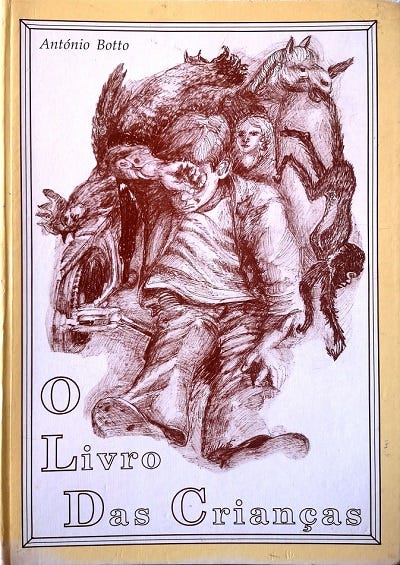
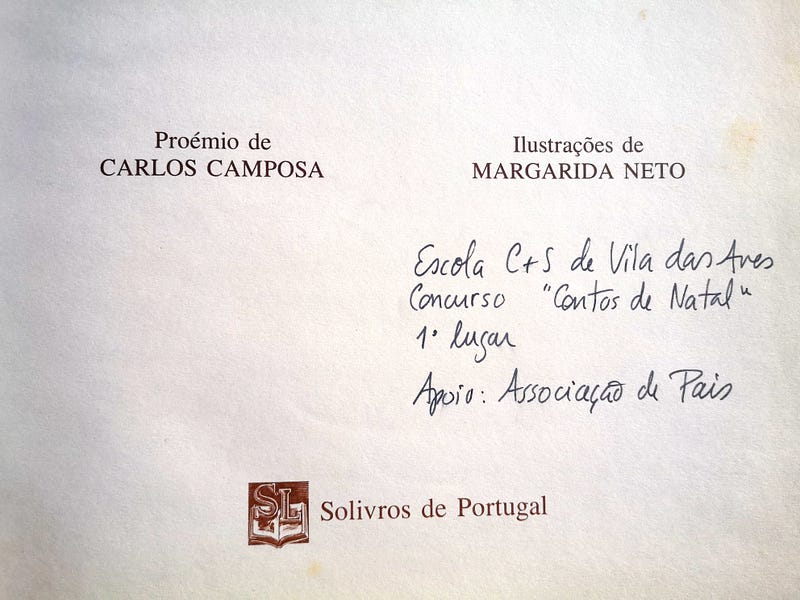
The author dedicated The Children’s Book to:
The miserable, the poor, and all the children despized by fate and unknown to love. — António Botto.
For more than thirty years, I’ve kept it close to my heart, often reading the author’s inspirational fables and marveling at the mesmerizing illustrations by Margarida Neto.
When I unfold the pages of my precious treasure, I still feel a strange nostalgia that carries a warm sense of comfort.
I reread it this morning, turning every page as if I were meeting an old friend. Turning each page felt like reliving the moment, still lingering in the recesses of my mind.
I was looking for inspiration while writing this piece, but what I encountered was the child still living inside of me, and with its little hand, it pointed me to the true magic of Christmas.
I wanted to reconnect with the ghost from Christmas past and go back to a time when stories were made up of dreams and unicorns still roamed the earth.
Take the story of the hen, who, on an autumn morning, was startled by a grape that had fallen from a vine.
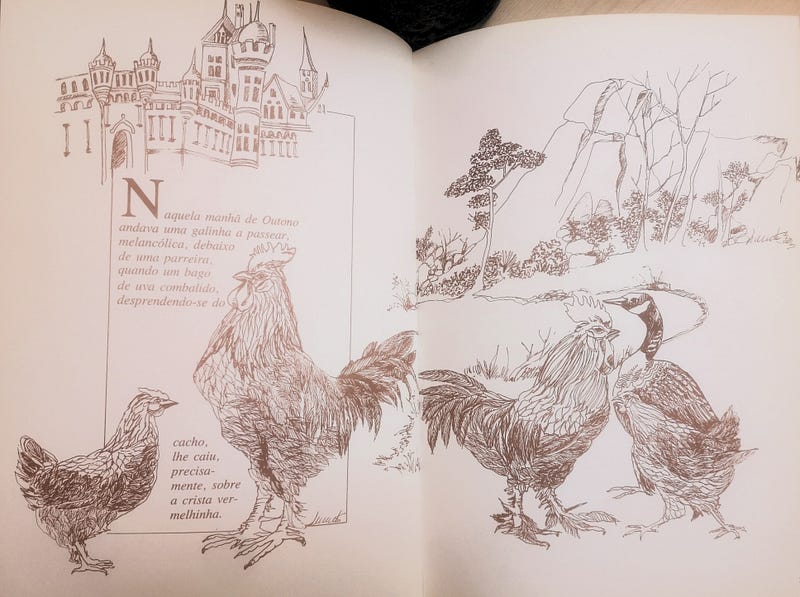
After being frightened by what she believes to be a falling piece of the sky, the hen decides to warn the king.
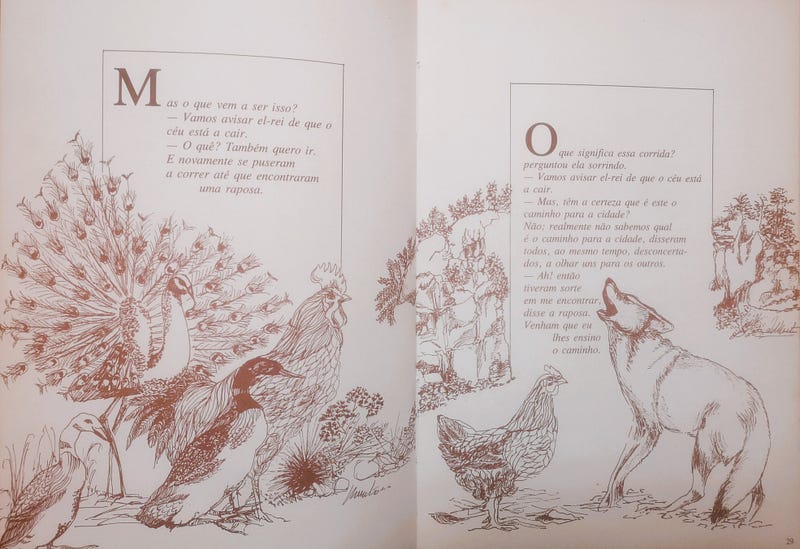
Along the way, she encounters a rooster, a duck, and a goose, all of whom join her in her mission to inform the king about the supposed calamity.
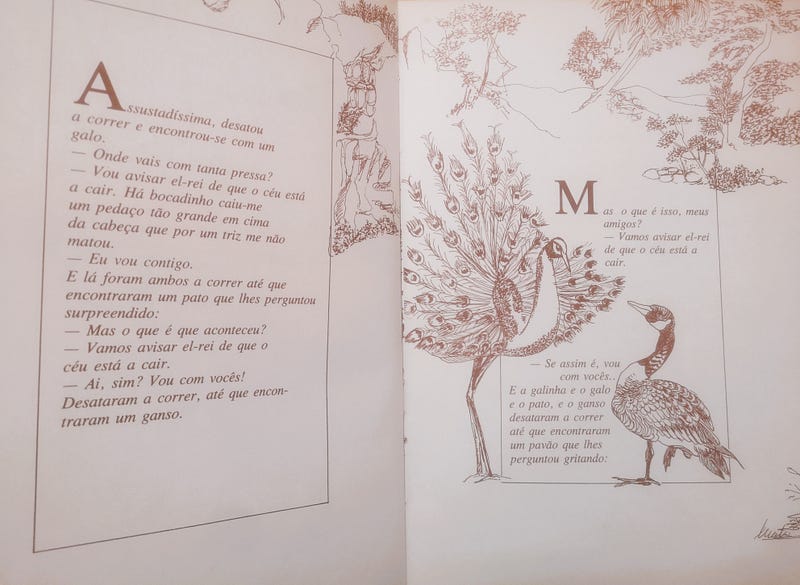
Later, a peacock joins the group. They meet a fox, who tricks them by pretending to guide them to the city.
The animals, not knowing the path, trust the fox.
However, the fox’s true intentions are revealed when it leads them to its den, and the animals end up becoming prey for the fox’s family.
The moral of the story is a cautionary one: Beware of those who offer help in times of bewilderment; not everyone has good intentions. Blind trust can lead to unforeseen consequences.
In this special book, there are many stories like this one, each filled with valuable life lessons and wisdom.
I’ve read them all again, and they continue to guide me in my adulthood, just as they did when I was growing up.
As I close the book, I take a moment to read the words penned by the author on the back cover. Botto reminds us of the fading connection between generations that once bound us to our family and ancestors.
So, this holiday season, why not gather by the fire and share stories with your children instead of letting them be drawn to the solitude of their tablets and smartphones?
To harm a child with violence by compelling them to shed a few tears is to unleash anger, sadness, envy, revenge, and hypocrisy in their spirit. With this crying, with this painful outpouring of sobs and groans, the enchanted, laughing, and naive vision of life disappears forever. Little by little, that secret and ineffable spiritual communion that must exist between those who brought us into this world — and those of us who have come to lovingly continue their desires, principles, and ideas — will be extinguished. Antônio Botto
Christmas is the best time of the year because it reminds us to bring joy to the world. It’s the time for children’s laughter, but how can we even smile if the shadows of war keep creeping in to steal all that is good from us, leaving only tears behind?
Christmas of the poor! Christmas of the poor! Why do they still find in their wintry hours the strength to remember and love? The poor have only their tears to share. It’s a warm but bitter wine that tastes like despair! They come to each other for warmth. (…) The poor think that there are even poorer people, homes helpless homes where not even a light can be lit. — Raúl Brandão.
My dear friends, may the true spirit of Christmas shine in your homes and your hearts; may it light your path in the dark; and as you gather around the table, please take the time to say a prayer for all of those who find themselves in “bare huts, broken homes, souls colder than the blizzard,” as Raúl Brandão reminds us in The Poor.
I dedicate this story to all the children around the world!
The tears shed and not seeen are the best of tears: they fall on the soul. — Raúl Brandão in “Christmas of the Poor”