
My Favorite Middle School Prank For April Fool’s Day
I once taught in a middle school that truly celebrated and cultivated the art of the prank.
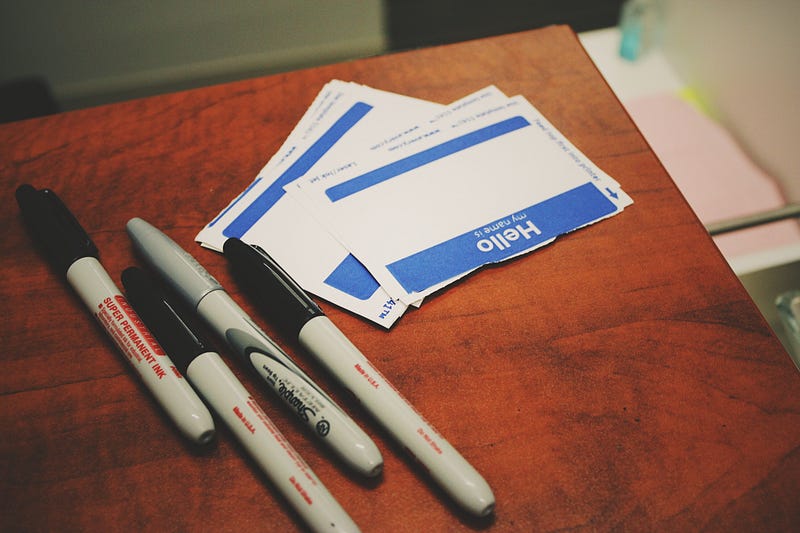
The week starts with the slap heard around the world and ends with April Fool’s Day.
What could possibly go wrong?
I am not entirely a fan of April Fool’s Day and the shenanigans it brings each year, but I do love humor and creating joy in the classroom!
Pandemic-related disruptions to society and education have given me a renewed appreciation and patience for the holiday. With the sudden shift to remote learning, there were no April Fool’s Day celebrations in 2020. By April 2021, my school was operating as a hybrid model. Approximately 60% of students were virtual, and 35% of students were in the classroom. Attendance rates weren’t consistent or easily monitored. Teachers were exhausted and wore silly hats. It was the best we could do.
My favorite classroom prank for middle schoolers (of all time) is detailed below.
It was terribly fun and exciting!
This article contains affiliate links, and any purchase you make helps my dog to live a better life.
Best Middle School Prank Ever
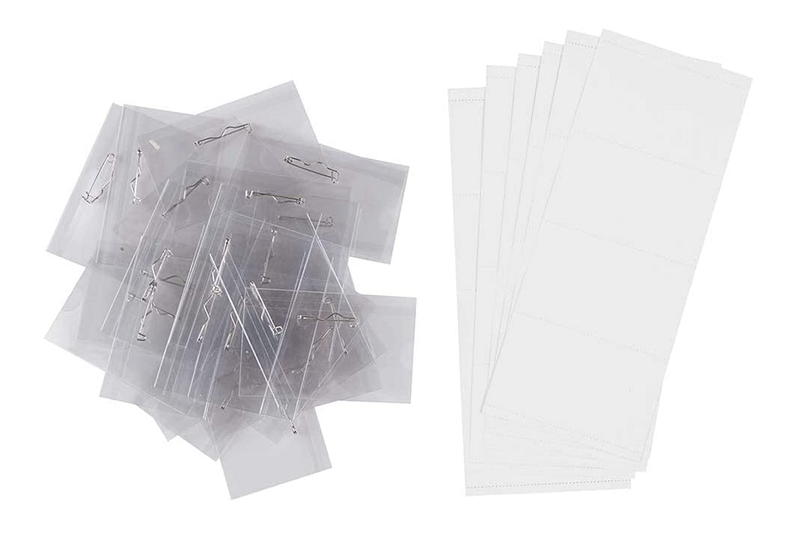
One year, as a middle school prank, I created name tags for students using plastic name tags with pins.
Each name tag said “Ms. _____’s 2nd Favorite Student” in a large typed font.
Here’s how I explained the joke to students:
“You may wear the nametag at school. The nametag must remain on your shirt at all times. If the nametag comes off, it will be confiscated and thrown away immediately.”
“Here’s how you prank your parents and loved ones.”
“Wear the nametag home. When your parents ask about it, tell them you got an award at school for being my second favorite student. Let it hang. Then, say April Fool’s!”
“Would anyone like a nametag?”
Students loved the idea!
80% of their hands shot into the air!
Even the more reluctant students who were “too cool” for my jokes ended up shyly asking for a nametag by the end of class.
Students want opportunities to connect with their families and loved ones.
Prank Challenges
There were two challenges or potential areas of concern for my prank:
- Safety of materials
- Miscommunication and negative bias
For the prank, I used plastic name tags with pins because there was a surplus of them in the school’s inventory closet.
Needless to say, middle schoolers and sharp objects aren’t a good idea. While I was able to implement this prank successfully and safely, I had to set clear parameters with the students.
Imagine the phone call from the bus driver who just had ten holes popped into their seat from one of my nametag pins. Imagine the science teacher who just had a student stick a pin into the back of another student’s hand during a lab experiment. Imagine how this trend escalates by lunchtime when supervision is limited and inconsistent.
April Fool’s was wild enough.
Should I really be adding to the chaos?
What prevented any misbehavior with the nametag pins was clear directions, anticipated misbehavior addressed through private individual conversations and immediate confiscation, and overall student investment for the prank. Students genuinely wanted to wear these pins home and have a positive funny moment with their families.
It was critical that I roll out the prank at the beginning of each class period and with a PowerPoint slide detailing behavioral expectations.
Students who were not mature enough for pinned nametags would generally misbehave before the end of class. Therefore, the misbehavior was addressed immediately and contained.
Another challenge was the potential for miscommunication and negative bias.
What would happen if a student uploaded a social media photo of themselves with the nametag (which has my name on it) and no context? How would the internet teacher-hunting masses receive this prank? Was I being inappropriate and unprofessional?
Imagine the headline that shares how a middle school teacher was fired or placed on immediate suspension without pay for calling a student their “second favorite.”
What made me feel safe about implementing this prank was a meaningful and supportive student and parent culture. By April, I had cultivated a healthy classroom culture and spoken with all student families. I knew which parent or guardian relationships were broken and beyond repair. I could readily anticipate student maturity and misbehavior. It was my third year in the school, and I shared the prank idea with my principal before making the nametags.
Without a positive classroom and school culture, I would not have felt comfortable implementing this prank.
Closing Statement
The nametag prank worked!
Rather than being an April Fool’s joke that caused embarrassment or discomfort, the prank was inclusive and authentically created joy.
I didn’t receive any parent phone calls about the prank or its perceived inappropriateness.
I didn’t lose my job or end up in the news.
Students need inclusion and connection. So do families and educators.
The prank created joy for students at home and at school. My fellow teachers had a laugh, and the school’s leadership thought my prank was hilarious and created positive school culture.
Happy pranking, teachers and weebs!
I want you to know that you are my second favorite reader.


