
My Experience of Empathy as a Late Diagnosed Autistic
A little more stereotypical than the late-diagnosed women I follow online
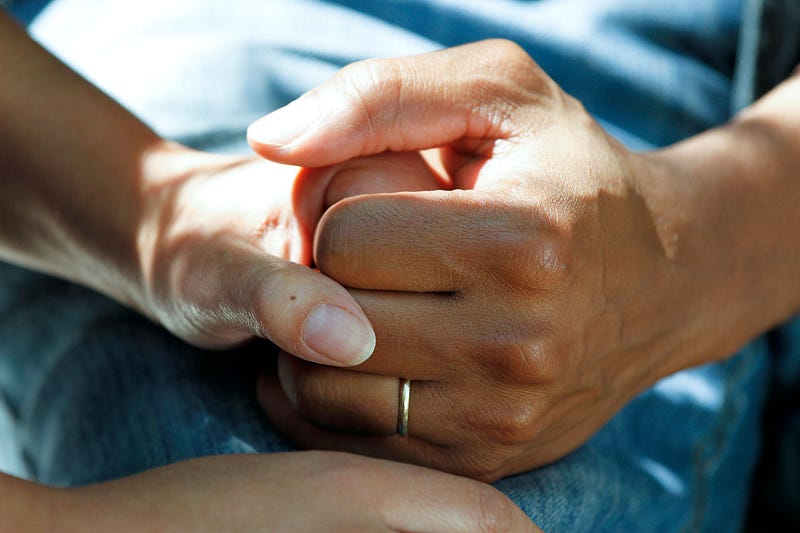
I have loved following autistic creators on social media. Through TikTok, Medium, Twitter (I will always call it that), and YouTube I have gained a much better understanding of autism, and the ways it can present. I’ve found listening to those who were late-diagnosed particularly valuable, as this was also my experience.
One common factor in these people not getting diagnosed as children is often their high level of empathy, a trait out of step with most people’s stereotypical notion of the ‘robot-like’ autistic.
Many of these people talk about instead being hyper-empathetic. They often feel so much empathy, so easily, that it can be quite debilitating at times.
While I deeply relate to so much of what these wonderful creators share, this is one area where our experiences significantly diverge.
It’s taken me a while to understand how I experience empathy. I’ve always thought I was pretty empathetic, as I find it really easy to put myself in someone else’s shoes, something I was told autistic people struggle with. Something I’ve come to realise though, is that I am only great at literally putting myself in someone else’s shoes. I can imagine how I’d feel or act in a situation, even taking account for vastly different worldviews, upbringings, and other circumstances, and thus easily sympathise with someone in that scenario. But when they make choices or have feelings that I wouldn’t have, given the same circumstances, I struggle more.
While I can easily find my eyes pricking with tears watching a video of a companion animal being reunited with their family, instantly imagining how I’d feel if one of my cats had gone missing and been returned to me, or while discussing a, probably fake, Am I The Asshole post from reddit with my husband, outraged on behalf of the wronged party I also often feel absolutely nothing when people known to me are going through something terrible.
I know and understand that the situation they’re in is bad, and I genuinely wish them the best but I don’t feel any level of emotional distress or sadness within myself.
I also score very lowly on tests that measure how well you are able to express empathy. Despite the feelings of sympathy I have internally, this is certainly something I struggle with. Typical statements like ‘that sounds really difficult,’ ‘I’m sorry to hear that,’ ‘I’m here for you’ etc sound trite and patronising in my head, I don’t feel right saying them. My natural response, if possible, would be to share a relateable story, even if my story is much less serious in nature than their situation the intention behind sharing it is to say, ‘if I felt this bad when x happened to me, I can understand how much worse you must feel when y is happening to you.’ But apparently, rather than showing you can relate and sympathise, neurotypicals consider this type of story sharing to be self-centred, a sign you are trying to take focus away from them and make the situation about you.
So, unless, I know the person would appreciate being related to in that way, I just end up feeling impotent and useless, not really doing anything to try to comfort them or express empathy, then feeling even more uncomfortable that they may be judging me as uncaring. I think I can count the amount of times I’ve actually touched someone to comfort them on one hand, and the only people I think I’ve done this with are my husband, at moments of intense emotional intimacy, and my mother, when our beloved cat died (and it made me very uncomfortable).
I’d love to hear from other autistics reading, whether diagnosed in childhood or adulthood, what is your experience of empathy like?
To read more of my articles, and those of other wonderful writers here on Medium, become a Member using my sign-up link (no extra cost to you).
Thanks for reading!