
My Experience of a Transient Ischaemic Attack
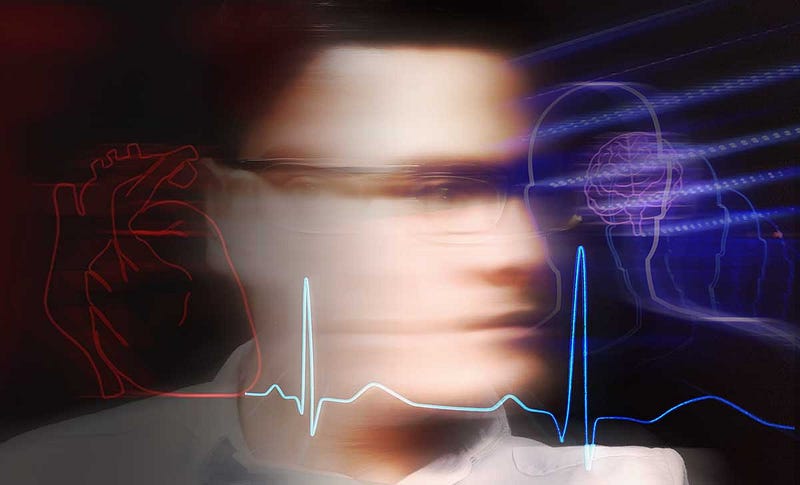
I am a lupus patient and in 2013 I suffered from a transient ischaemic attack (TIA).
A transient ischaemic attack (TIA) or “mini stroke” is caused by a temporary disruption in the blood supply to part of the brain.The disruption in blood supply results in a lack of oxygen to the brain.This can cause sudden symptoms similar to a stroke, such as speech and visual disturbance, and numbness or weakness in the face, arms and legs.
But a TIA does not last as long as a stroke. The effects last a few minutes to a few hours and fully resolve within 24 hours.
I was in my early twenties, full of life and its enthusiasm.
It started like any other day. I got the breakfast ready for everyone, sent the kids off to school. I had just started tidying up the lounge picking up toys from the floor when suddenly I felt weird. I was trying to pick up a toy but it kept slipping off from my hand, I couldn’t hold it. I tried again. It just wasn’t working and I was in a state of confusion.
Fortunately, my brain was still working I thought about what might have caused this I knew I was prone to blood clots. I was on regular medication for it. It was a simple 75 mg aspirin, and I didn’t think of it much compared to other medications that I was taking. I realized I had missed a couple of days. I quickly picked up my mobile and started dialing my brother's number. He is a medical specialist and my first adviser in case of any problems.
Meanwhile, I realized things were getting worst. I couldn’t hold the phone. Luckily, I was living with my in-laws. I called my mother-in-law who was just in the next room oblivious of my situation.
She came in and saw me, the terrified look on her face made me realize something was awfully wrong. With her help, I talked to my brother and tried to explain what was happening to me. I took some medicine and was immediately taken to the hospital.
I clearly remember my thoughts at that time when I could not move my fingers and then my sensation in hand faded away. Next, I could not lift my arm or speak properly. All this happened in a matter of minutes, but it felt like a lifetime of helplessness, to gradually see your mind lose control over your body.
When we reached the hospital emergency, we were told I needed an immediate MRI scan. Before the scan, they did not know if it was a bleed in my brain or a clot. Everyone seemed extremely concerned and scared.
I could see everything but I was unable to respond. My whole right side had stopped working. It felt like a nightmare in daylight.
For the first few hours, I didn’t know if I was ever going to recover but thank God I had hope in my heart. I kept praying.
The MRI scan was a whole different story.
Magnetic resonance imaging (MRI) is a type of scan that uses strong magnetic fields and radio waves to produce detailed images of the inside of the body. An MRI scanner is a large tube that contains powerful magnets. You lie inside the tube during the scan.
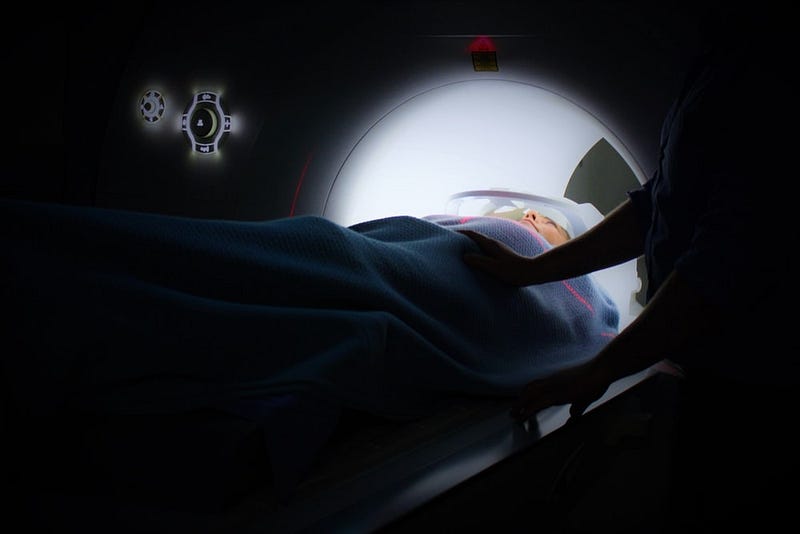
The MRI scanner felt like a coffin, a dark tube in which you cannot move. My whole life flashed before my eyes my heart praying deeply, longing for some more time with my kids. The scan took around 45 minutes that felt like a lifetime.
When I came out of the machine I could feel my fingers, gradually I started moving my hand, within a few hours I could lift my arm. It was very slow progress, but every move made me feel extremely blessed and accomplished.
It took me a couple of days but thankfully I recovered completely.
I still carry the imprint of that scar in my brain and obviously I can never forget how it made me feel.
The medical explanation of TIA and MRI has been taken from the official NHS website.
Sumera Rizwan is a Mother and a Computer Science Graduate. She lives in Derby, UK. She is passionate about expressing her self through her stories. She talks from her heart and aims to touch the hearts of her readers.


