TRAVEL|LIFE LESSONS
My Enchanted Visit to St Kilda Scotland
If you listen closely you may hear ghostly whispers on the wind
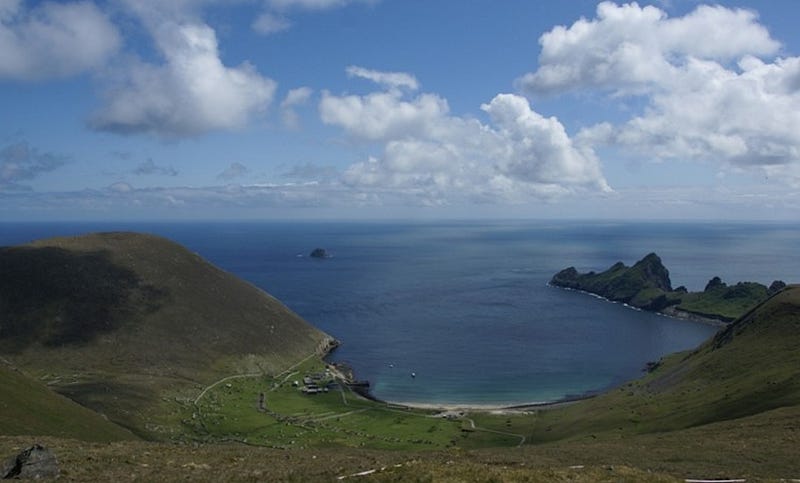
One of the most memorable trips my husband Michael and I took years ago was a romantic voyage to the mostly deserted St Kilda archipelago, an extreme North Atlantic outpost.
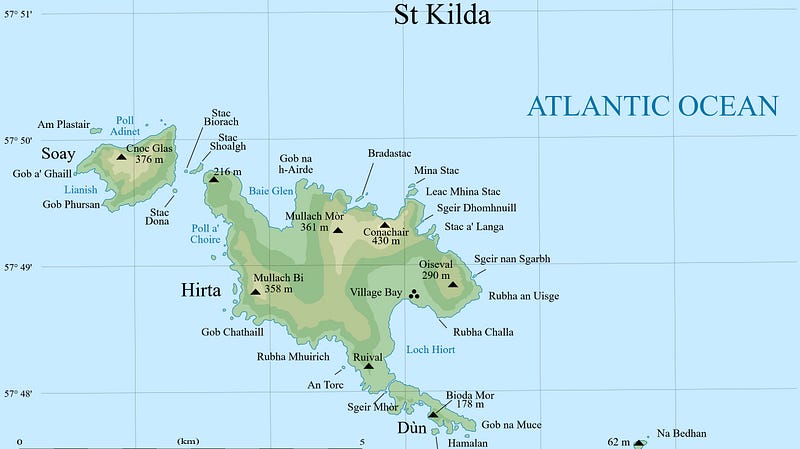
It was formed around 60 million years ago by remnants of an eroded Palaeogenic volcano. The largest island, Hirta, is part of the Outer Hebrides chain. It contains the highest sea cliffs in the United Kingdom (UK) along with the medieval village of St Kilda.
The islands float 41 miles off the west-northwest coast of North Uist, Scotland, in the icy pounding sea. They contain breathtaking landscapes, rich history, and unique wildlife.
Mists float in and out on constant sea breezes, giving St Kilda a timeless, otherworldly quality.
Destination St Kilda, Scotland
While doing UK travel research, Michael became fascinated with the mysterious Scottish island chain. It’s located in one of the most remote corners of the British Isles.
Rich in human history, the islands’ earliest written records of ancient human existence date back to the late Middle Ages, estimated to cover the period of AD 1300 to 1500.
The island of Hirta includes numerous unique architectural features dating from historic and prehistoric periods. There’s a good reason former island natives were known as the bird people. Seabirds played a significant role in the livelihood of the St Kildans.
Seabird meat and eggs were the primary food staples for the islanders. Birds were captured for food, oil, and feathers, which were exported along with Soay sheep fleeces to help pay the rent to foreign landowners. Feathers were in abundance. They were used to make pillows and mattresses locally and in factories on the Scottish mainland.
Unlike other similar islands, fish and shellfish were only a minor part of the St Kilda diet. Sheep were important for wool, mutton, and milk. A few cattle dotted the island and occasionally provided milk and beef.
The islanders grew potatoes, barley, and oats, but the stiff, nearly constant, salt-laden wind was not conducive to copious crop production. Bread was a luxury consumed only for special events such as christenings, weddings, and New Year’s.
The destruction of St Kilda
If ghostly whispers were swirling around the deserted island streets when I was there, it could be the spirits of former islanders who died tragically from the major leprosy outbreak in 1684. Imagine the terror of the stricken islanders when infected by one of the oldest infectious afflictions ever known to mankind.
In 1697, St. Kildans only numbered 180 people; by 1759, it had declined to 88. The population continued to wither over the decades due to fatal smallpox outbreaks, influenza, tuberculosis, and cholera. The sicknesses were believed to have been brought to the island by outsiders.
Other island tragedies included horrific infant mortality cases first reported in 1750. Parents were devastated as they watched their beloved infants become ill and die. The plight was known as the “eight-day illness” because that was the time from the onset of the illness to death. The disease was tetanus (lockjaw) and was only conquered in 1891 by introducing improved hygiene.
Before it could be contained, the malady was the cause of death of two-thirds of the newborn babies in St Kilda for at least 150 years. This left a deep stain of death and grief on the souls of the islanders. The ongoing demise of infants was a significant factor in the community becoming non-viable.
Increasing island tourism in the 19th and 20th centuries allowed St. Kildans to obtain goods like tea, sugar, flour, and tobacco. They could also sell their wares, including St. Kilda’s signature tweed, to visitors. Unfortunately, new afflictions constantly threatened the islanders from foreigners, and their numbers declined.
The island was abandoned — all dogs were drowned
Besides ongoing illnesses that brought tragic death to the islanders, both tourism and the upheaval of the First World War added to the island’s eventual abandonment.
By Friday, August 29, 1930, only thirty-six people remained. These included thirteen men, ten women, eight girls, and five boys. They collectively agreed to be evacuated from their homeland on the Harebell, a ship that took them to the Scottish mainland.
Tragically, when the islanders left, all of the remaining working dogs were deliberately drowned in the bay because they couldn’t be taken to the main island. Even after over 90 years, I could almost feel the panic and fear of the canines thrashing in the ice-cold Atlantic, trying to stay afloat. Was it kinder to euthanize them instead of leaving them to slowly starve? We’ll never know for sure.
The National Trust for Scotland now owns the entire island chain. In 1986, it became one of Scotland’s six World Heritage Sites. It’s one of the few in the world to hold mixed status for its natural and cultural qualities. As of 2000, the island’s population fluctuated between 20 and 70. These included National Trust employees and scientists conducting sheep research projects on the adjacent island of Soay.
Visits to the island are only permitted during select months of the year (Spring to Fall) when the few facilities still open to tourists are available to visit.
Traveling to St Kilda
The only way to visit St Kilda is by boat. When available, lodging is limited to a small, rugged campsite requiring a five-night minimum stay.
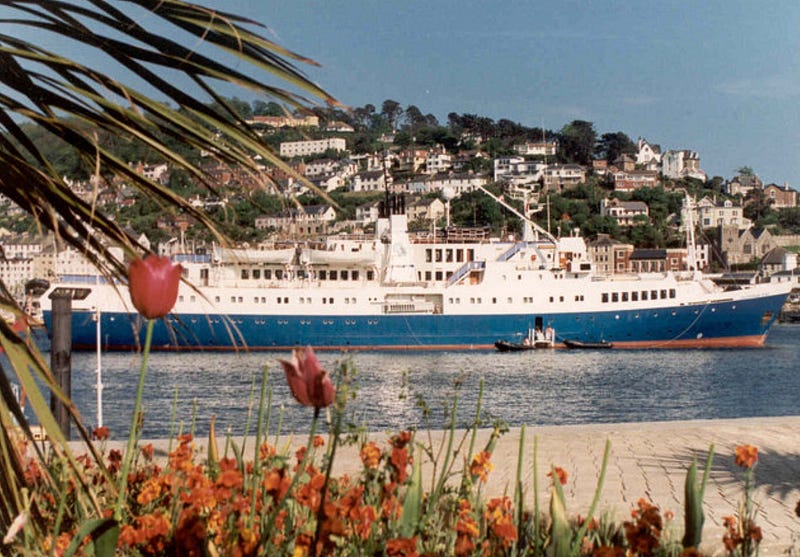
We decided to opt for travel on the sleek 34-year-old Caledonian Star passenger cruise ship, which was destined for St Kilda. That eliminated the lodging challenges, especially since island weather can be unpredictable and harsh.
We flew nonstop on American Airlines across the pond from Dallas to London. A land transportation company met us at the airport. From there, we traveled by bus for 90 minutes to the bustling Port of Dover, just 76 miles southeast of London. More than 200,000 cruise passengers pass through this sparkling gateway to Europe.
Michael and I boarded the vessel early on Wednesday, June 24, 2000, for a 12-day cruise. Operated by Special Expeditions, the ship had 110 passengers, a crew of 68, and a staff of 12.
A haunting island
One of the challenges of visiting St Kilda is the weather. The island floats in the Atlantic Ocean, and if the seas are rough, it may be challenging to make it onshore, especially in Winter months.
On July 1, 2000, tranquil and calm weather enabled our ship to depart its dock at North Uist. We sailed 37 miles into the Atlantic to visit the legendary destination island. The cruise line had arranged a special tour for us to see the ruins of the ancient Village.
As we approached Hirta, daylight glistened on the water and made a lasting impact on me. The island had a magical quality.
Despite a heavy swell, we could disembark from the ship and board a Zodiac Mark V inflatable boat. I was nervous climbing in and out of the little craft. I always worried I’d slip and fall face-first into the ocean.
The little Zodiac docked at a sturdy concrete wharf built in 1901. We arrived on the island at 1000 hours. The mostly deserted Village of St Kilda sits near the bottom of a giant, verdant bowl that appears to tip towards the sea.
Visiting the ancient stone cottages
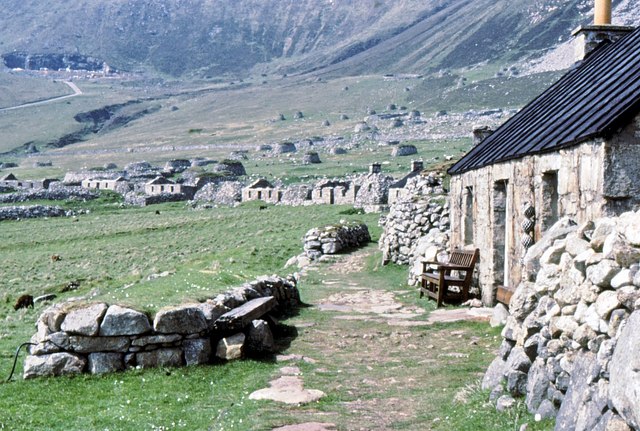
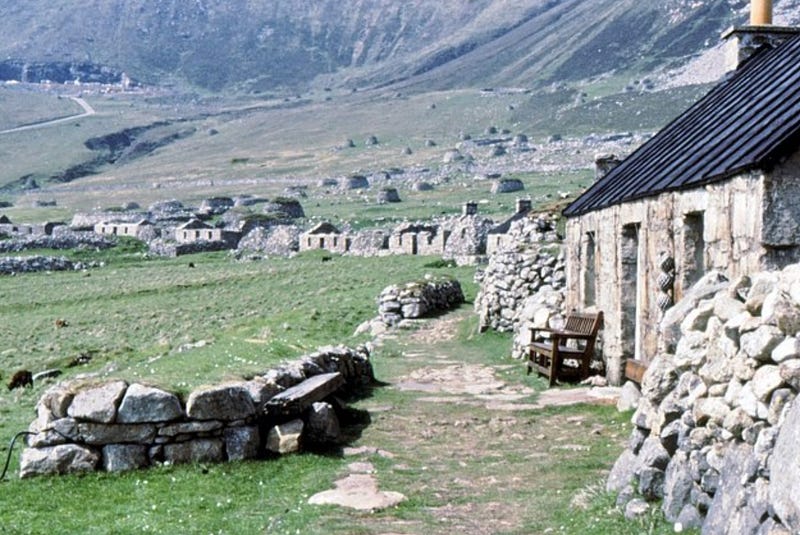
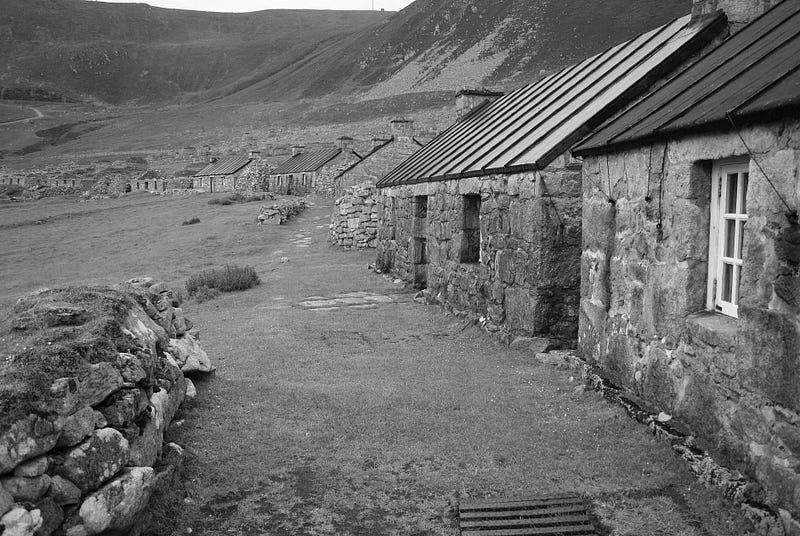
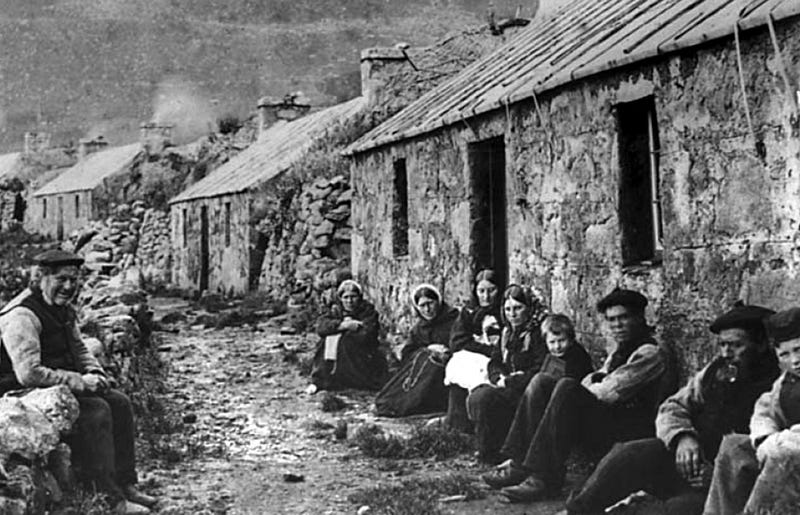
As we left the wharf and strolled up the slope, Michael and I spotted the remains of sixteen ancient stone cottages. The views and scenery were breathtaking, but there was an eerie stillness. I felt like Michael and I should speak in a whisper, almost like we were in church. Flocks of birds constantly soared and squawked overhead.
The weather was windy but almost perfect for walking and exploring outdoors. We explored the stone cottages, which were precisely aligned along a gentle arc along the main street.
I could almost visualize the island women from the past sitting on their doorsteps spinning wool as children laughed in the meadow below. I wondered what they had chatted about as they worked to create goods to trade with visitors to the island.
It was hard to imagine that nearly two hundred people had jammed into the few rooms in each stone home. Behind the cottages, excellent green, treeless swards rose to the crowns of encircling hills.
Immediately north of Am Baile (the Village) was the vibrant emerald slope of Conachair (‘the beacon’), the highest peak on the island at 1569 feet.
It took us two hours of steep uphill walking to reach the top, but a bone-chilling wind blew down on us as we started to hike upwards. The steep climb and the freezing wind deterred us from climbing to the top.
Beauty and birds
The island has rolling, verdant slopes. From far away, part of the island appears to have been sprinkled with a light dusting of snow.
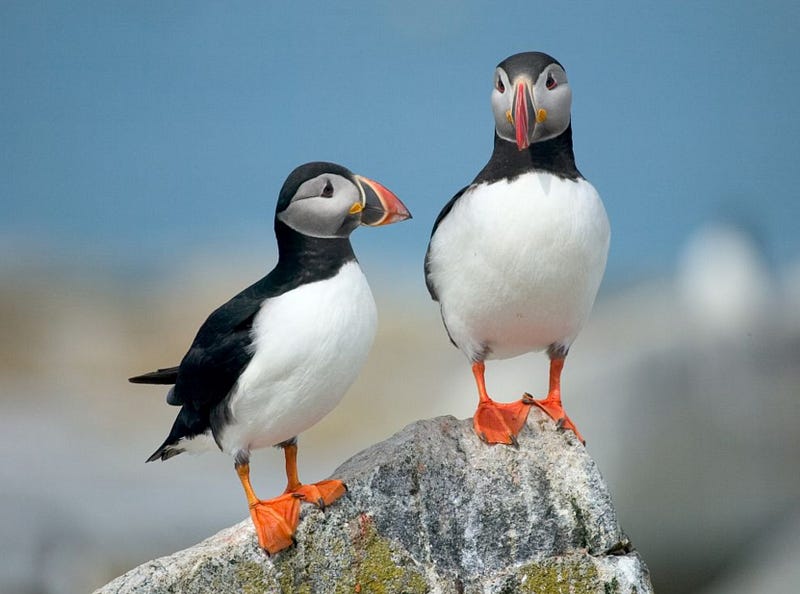
A closer view reveals flocks of gannets and great white seabirds more enormous than giant geese. These birds were intermingled with Northern Fulmars on narrow, grassy ledges. They are a vital part of this island’s story.
All the islands in the chain comprise one of the most significant seabird colonies in the British Isles. The previous St Kildans depended upon seabirds as a primary source of food. If you peer downwards over the edge of the Hirta cliffs, you’ll see how they abound.
The air is overflowing with feathers, and the sea is blanketed with them. All the houses are feather-adorned, and mounds of feathers are sprinkled all over the ground like exploding flower-decorated meadows.
The largest island of St Kilda
The chain’s largest island is Hirta, whose sea cliffs are the highest in the United Kingdom. It’s on the western edge of Scotland and has no permanent resident population. The island is still famous for excellent sheep grazing, seabird hunting, and viewing.
The smaller uninhabited islands of Boreray, Soay, Dun, Stac Levenish, Stac Lee, and Stac an Armin — separated from Hirta by formidable seas — can be seen from the high clifftops of Conachair.
Hirta is still occupied year-round by a few civilians employed by a defense contractor who works on the military base monthly. At times the base has to be temporarily evacuated due to adverse weather conditions.
Visiting the cleits on St Kilda
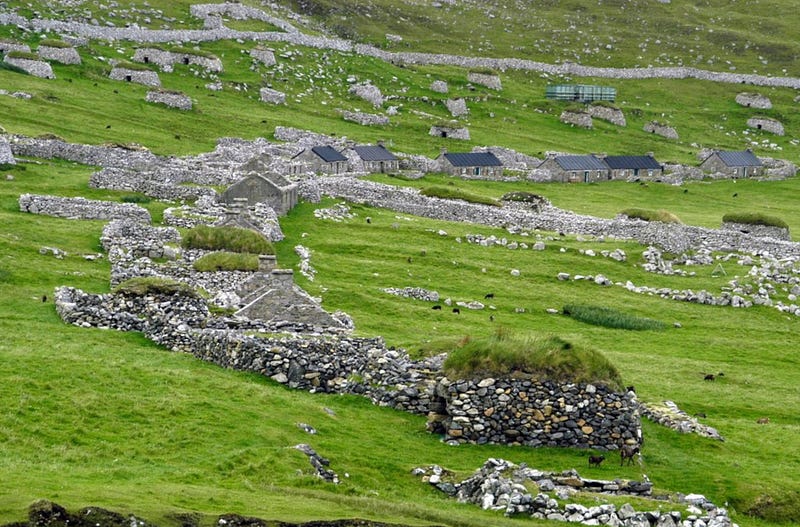
Nestled partway up the slopes are rough stone paddocks — remnants from the days of habitation — that form a unique pattern up the side of the hillside. Their original builders clearly paid little or no attention to geometry.
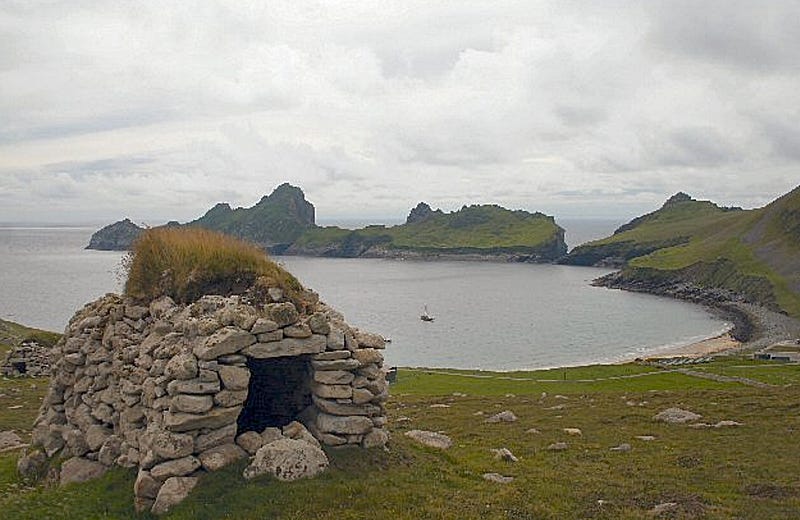
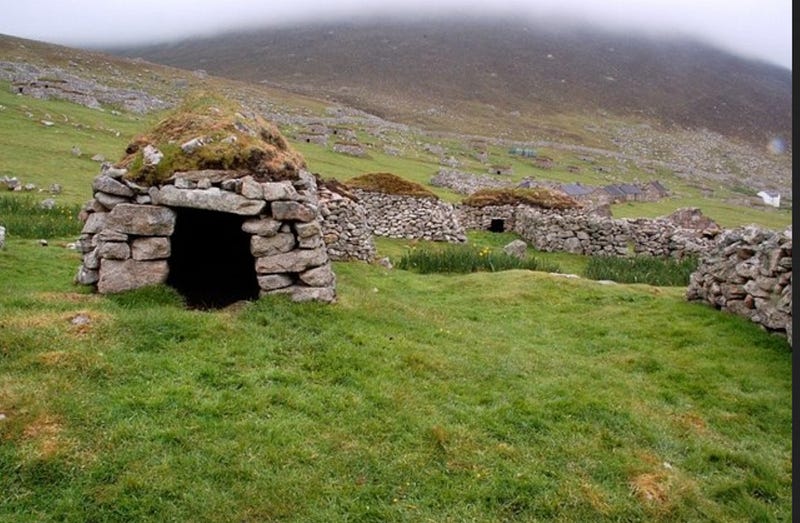
About thirteen hundred cleits — dome-topped, oblong shelters that resemble stone igloos — dot the hillsides above the village on Hirta. On St Kilda, a cleit was a small, turf-covered dry-stone storage building invented by the St Kildans.
The cleits were designed so that wind could pass through the walls, keeping the inside contents cool and dry. This would have been an essential aspect of survival on the island. The stone cleits near the cottages were used mainly to store seabirds and eggs, which were the mainstay of the St Kildan diet.
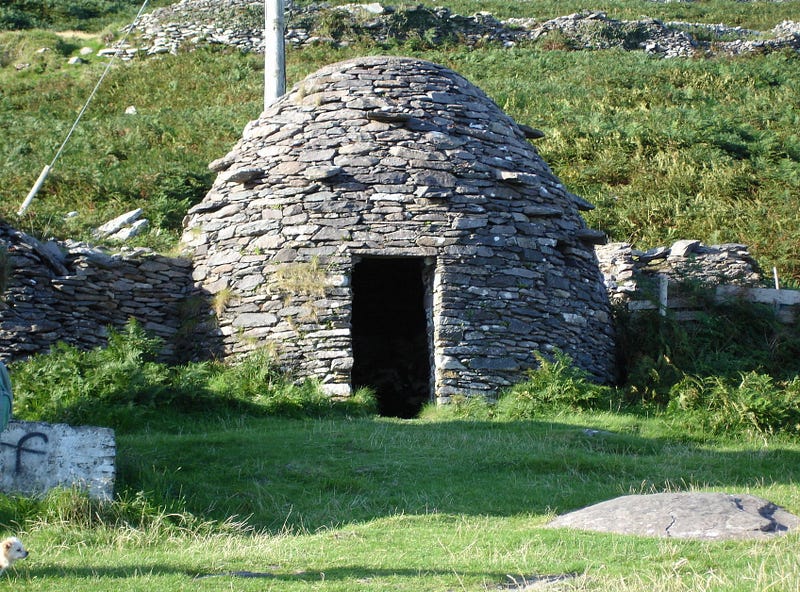
We also spotted a beehive hut on the island. Known also as a clochán it’s a dry-stone hut with a corbelled roof where islanders sometimes lived.
Sailing away
After a delightful day exploring the ancient ruins and hiking on the historic island, we returned to the Caledonian Star. In the evening, the ship set sail from St. Kilda. I hated to leave the magical island behind in the mist. The evening light glistening on the island as we sailed away left a lasting impression on me.
Our magical cruise ended after 12 days on July 6, 2000. Our time as guests aboard the Caledonian Star was one of the most spectacular trips we’d taken on our various world travels.
The best part of the entire trip was St. Kilda. Sadly, some memories of the history and struggles of the ancient people, as well as the tragedy of some of their dogs, became etched into my heart and soul. I still think of the island and the people who used to live there all these years later.