
My Daughter’s Ballet Costume Became a Symbol of Grief
Sometimes you can’t avoid it and you just have to grieve
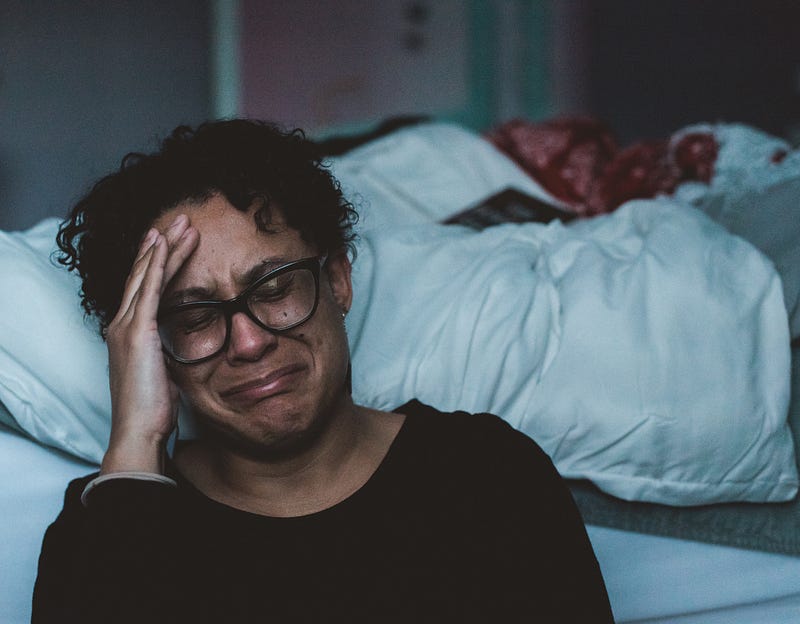
I was doing well. I was surviving the pandemic well. I used the time to get back into working out and focus on writing. I was one of the lucky mostly unphased productive ones. I watched in horror ten weeks ago as a family friend contracted Covid-19. I was overjoyed when he fought back and survived.
It felt so lucky. He came within inches of death. He’s on the mend in long term care. It’s an epic comeback. Covid-19 is a national tragedy and as we sat at home trying to stay safe, we watched more horrors unfold. We bore witness to violent unjustifiable deaths. Some of us bonded in the injustice. Some of us fought about it in the streets. But I was moved. I doubt anyone watching could be unmoved. And if you were unmoved, I don’t really want to know you.
I tried to move forward and keep going. I tried to not let it get me emotionally. I felt weary. But I kept going and focused on my work and motivation. I felt it but I was strong. Until last Friday. I am embarrassed to write this. But last Friday was the day I needed to pick up my daughter’s ballet and jazz costumes.
I waited to unzip her costume bag until I reached the car and could show them to my daughter. I pulled down the zipper to see the sweetest little ballet costume. Pastel ruffles below a white bodice tank. Complete with a matching hair clip. Her studio is not eager to make sweet little girls into sexified adults.
The innocent and sweetness of the children are embraced. My daughter is five. She’s still at that sweet little stage. Ruffles and pink and purple and sparkles. I immediately started to grieve the moment in time that was lost to Covid-19. As a mom to older children, I know how fast these moments are gone.
My grief over missing one recital was exceptionally high and seemingly unjustified. I realized the sweet ruffles were a symbol of the grief and trauma I’m experiencing in the world. I’d been emotionally fighting, stuffing it down. Until the costume became too much and I was flooded by everything I pushed down with my hyper-focus. I was practicing grief avoidance as a coping mechanism. According to “Avoidance Coping vs. Grief: Taking a Break From Grief”, on What’s Your Grief, “Avoidance Coping basically means one avoids dealing with negative or anxiety-producing issues, stressors, thoughts, or feelings.”
I never stopped working enough to acknowledge or process the negative impact of the uncertainty and horror in the world around me. Instead, I was caught off guard by the full throttle of my emotion regarding something that would not have normally crumbled me in the past. Rational me knows she will dance again next year. Rational me knows that I am lucky it wasn’t her final, senior dance recital. Rational me knows I’m lucky that I don’t have to miss her high school graduation, though she did miss preschool graduation.
But this recital loss became a symbol for every other loss. It surprised and overwhelmed me. I wish I knew a better way fo coping with grief aside from avoidance and throwing myself into work. Sometimes you can’t avoid it and you just have to grieve, even if it’s in the form of ruffles and ballet incited tears.


