
My Colleagues Are Israeli, and It’s Not Easy
Remote meetings are the closest I get to their feelings
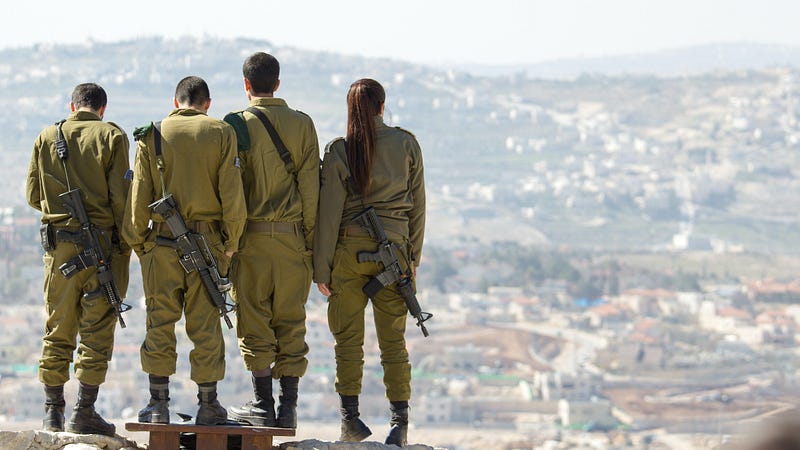
No one wins in a war.
I’m ashamed to say I speak from a privileged place. I sit comfortably behind my screen, brooding about war and how difficult it must be when my colleagues are facing it at that exact same moment.
I feel it in my nerves, they feel it in their skin. My words of sympathy are far from enough to pierce the distance. How could it even reach their tumultuous hearts?
I feel sad and disturbed as they drop hard-to-digest events like a bomb, but they are the ones who actually have to drop the meeting to go hide in the bomb shelter.
I see their faces as they suddenly interrupt the meeting to tell they have to go because the alarm is blaring. They pretend it’s just like any other day in the office, but I can feel the nervousness surfacing on their grin.
They want to look tough, and they say they are sorry for leaving, and they say they’ll be back, and they try not to rush. But suddenly, I see them take their headphones in a hurry, and in an instant, they’re gone.
Sometimes, they quickly shut the lid or exit the meeting. More often, the camera stays on. I see the chair swiveling, and the remaining ones, who are not from Israel like me, refuse to comment. They all feel the tension, and they all feel the trail of emptiness that the gone colleagues left behind.
We know we’re looking at each other’s faces, although we can’t really see in the call. We all feel the awkwardness of the gloomy mood.
And we all tell ourselves that our Israeli colleagues will come back. We want to believe it. But the sad truth is, you never know when it comes to war. You just want to remain positive, but the truth is that you’ll never know what it is to be in a war. You hope you’ll never know, at least.
Perhaps it’s not fair to be that positive, you think to yourself.
You receive an email about the situation or see comments on something, and again, you leave your sympathetic words that are worth nothing. You say it’s awful because you can imagine, but they know it’s awful.
Someone calls in a meeting to update you about the situation. That person tries to look strong and remain positive. But you see the miserable eyes, the dry gulps, the unusual sluggishness of the words, and how everyone keeps a solemn countenance.
The war has just begun, but they tell how they already know someone who died. Or at least someone who knows someone who died. Because Israel is a small country, you know? They say it with certain regret, and you feel pity. You gulp and say nothing. They gulp and go on.
They utter how barbaric it is, all the people that were kidnapped and tortured, or about a rampage where they surrounded people and started shooting everyone indiscriminately with machine guns.
You know they’ll probably commit atrocities as well, but you feel sad anyway. It’s a war. And in a war, nobody dies a saint. You know you want them to win still, but nobody wins in a war. You just want it to end.
Then comes the call, more than a call of duty — they have to go. They explain that people in the company are being called to fight in the war. They say a dozen have already been called. And the words leave you dumb.
That’s when things get personal to you. It’s bad enough, but you don’t want it to get worse. You wish that your colleagues will never depart, but for some, it’s a matter of time. They say it too.
Then you feel like helping. You forgive their decreasing effort. You comprehend they’ll start being absent more often. You see the ‘offline’ sign. The productivity declines, and more tasks fall on you. But you still don’t care. You’re worried about the war.
But no matter what, your worries are not enough. You can’t help because the only help they want is safety. They don’t want to live in constant fear, they want to be free again.
You feel it’s personal, but it’s not. They are the only ones that own that right. You can only feel bad for them, but that’s the most.
You don’t know what they are going through. The closest you get is your computer. You just try focusing on the work and hope that everyone you know stays safe. But the ‘offline’ icon doesn’t leave your mind. Their absence feels odd.
I know it’s not as close as to what they are feeling, but it’s still a messed up feeling for me. I just hope it ends soon.