
My Body, Through the Lens of My Eating Disorder
On learning to love the same body I was taught to hate.

TW: discussion of eating disorders and mental health issues.
How did it start?
A decade later, I still can’t decide. What counts as an eating disorder? When did I lose the right to call it health consciousness, and when was it categorized as an illness?
Was it when I made myself throw up, guilty about the extra food I’d eaten? Or was it before, when I skipped eating carbohydrates with lunch?
Was it when I chose to run for five miles instead of having breakfast? Was it when I was proud of the weakness in my limbs, the burning in my thighs when I hadn’t eaten, happy because I felt denial made me strong?
I don’t know. Maybe one day I simply woke up with one.
I’ve seen a depiction of depression as a black dog, following you around, ruining the things that once brought you joy and making easy tasks harder, invisibly.
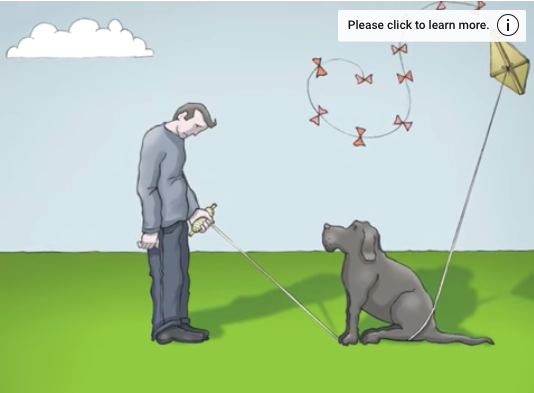
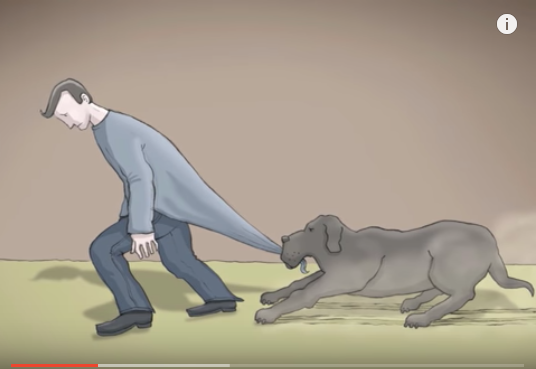
My eating disorder felt more like a shadow, subtly influencing and controlling my life right in front of me. I watched it happen and said nothing.
Who was pinching my thighs, measuring my waist, putting two fingers down my throat? Who was pushing away my dinner before I was full? Who decided to keep running even though I was tired?
Not me.
My shadow showed me my cellulite, my stretch marks, my cheeks — she taught me to be disgusted by the bloat of my body. She hated feeding me, and she thrived on an empty stomach. She made me step on the scale, time and time again until the numbers made her happy. But they never did for long.
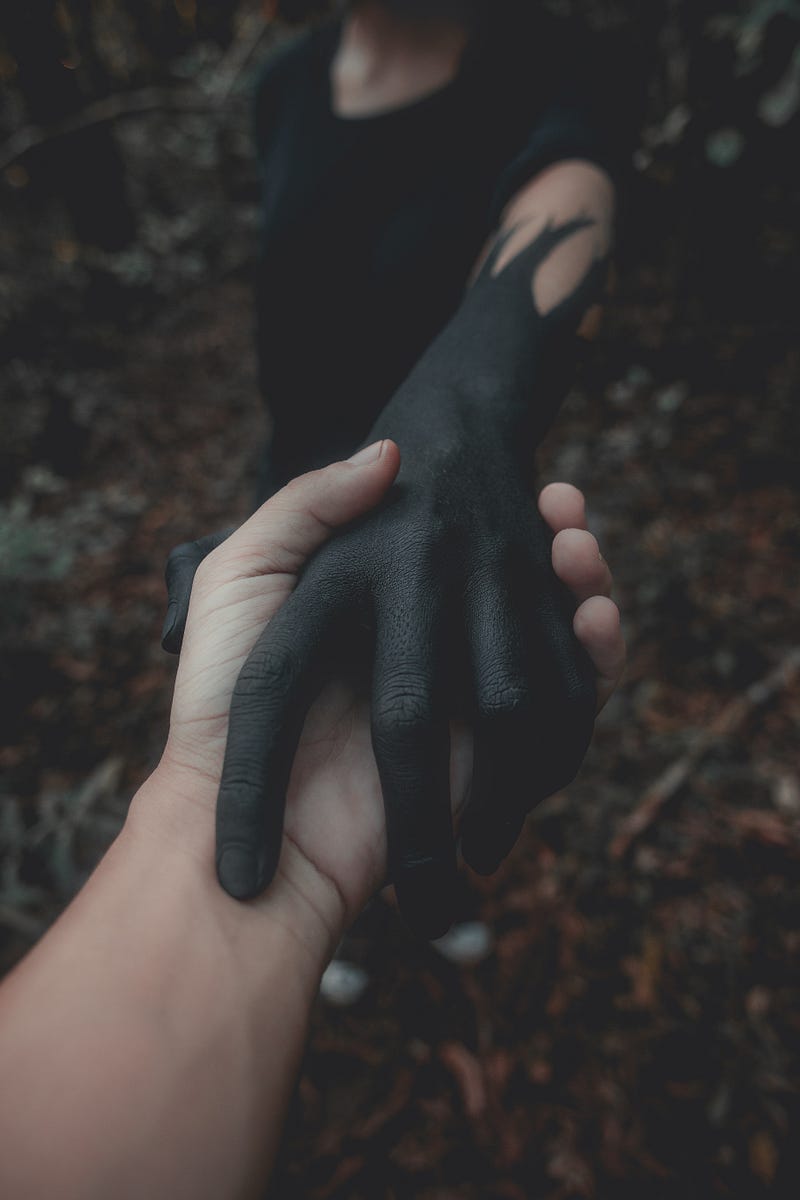
She kept a watchful eye on my friends, making sure I never ate more than them. She was excellent at math, cataloguing the calories I’d taken in and the calories I’d burned. She set alarms for early morning jogs I didn’t want to go on, she cleaned the toilet so she remained undiscovered.
She was my constant companion, and I let her lead the way because I thought she could make me happy.
With her help, I’d finally be thin enough. I’d finally have high cheekbones. I’d be a glamorous adult, able to wear whatever I chose and look good in it.
She would show me pictures of other powerful and desirable women, and together we would count their ribs. One day, she promised me, I could have that, too. People would want to be as beautiful (and as thin) as me. But that would only come with her help.
I’ve seen some people refer to their eating disorders by a name: Ana, for anorexia. Mia, for bulemia. To those who have never experienced one, maybe this sounds silly. It’s all in your own head, after all.
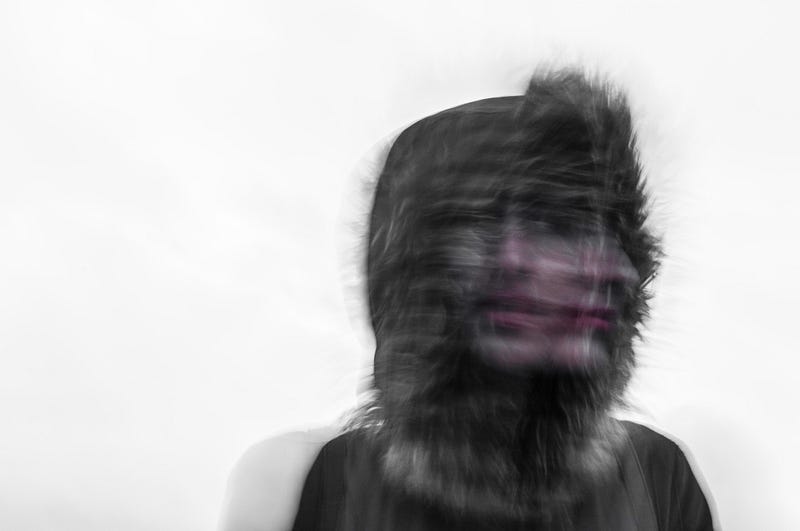
But to me, it feels right that they’re given a shape outside of myself, because I never felt I was alone through mine.
There was one body, but two minds. We shaped my teenage years, together, with a firm hand, always trying to reach what I thought was our joint goal.
How did it end?
Like the beginning, I can’t remember. I do remember that slowly, so so unbearably slowly, I pushed my shadow away. I realized she was not benevolent, she was not my happy little secret trick, she was not my older sister. I found joy in things which she once prohibited to me. I took strength from running for miles, not because it took away my calories but because it gave me power. I went up a size in jeans and didn’t let her make me cry.
Was it when I deleted my calorie counting app? Was it when I ate a whole tub of ice cream, guilt-free?
I marvel at my arms now. They’re not flabby, they’re strong enough to let me do pushups. And unlike my shadow, whom I could never please, if I want to get stronger, all I have to do is more pushups.
My legs propel me. They carry me home when I don’t feel like paying for a taxi, and they let me dance all night if I want to. They pedal me to and from work every day.
Getting over my eating disorder broadened my frame of reference. More than my arms, my legs, my soft stomach, my worth is in my mind. I am more than just my body. I can write for fun, I can make friends easily, I am good at staying in touch, and I am quick to laugh.
Perhaps I will never know what brought her on, what made this shadow choose my body to inhabit. And I will never know how I finally defeated her.
I know it helps to conceptualize her as just a shadow, though. And I know that now, I can overcome the shadows that try to ruin me.


