
My 6 Step Process For Rebooting My Writing Journey
Or, undoing the creative blocks of trauma
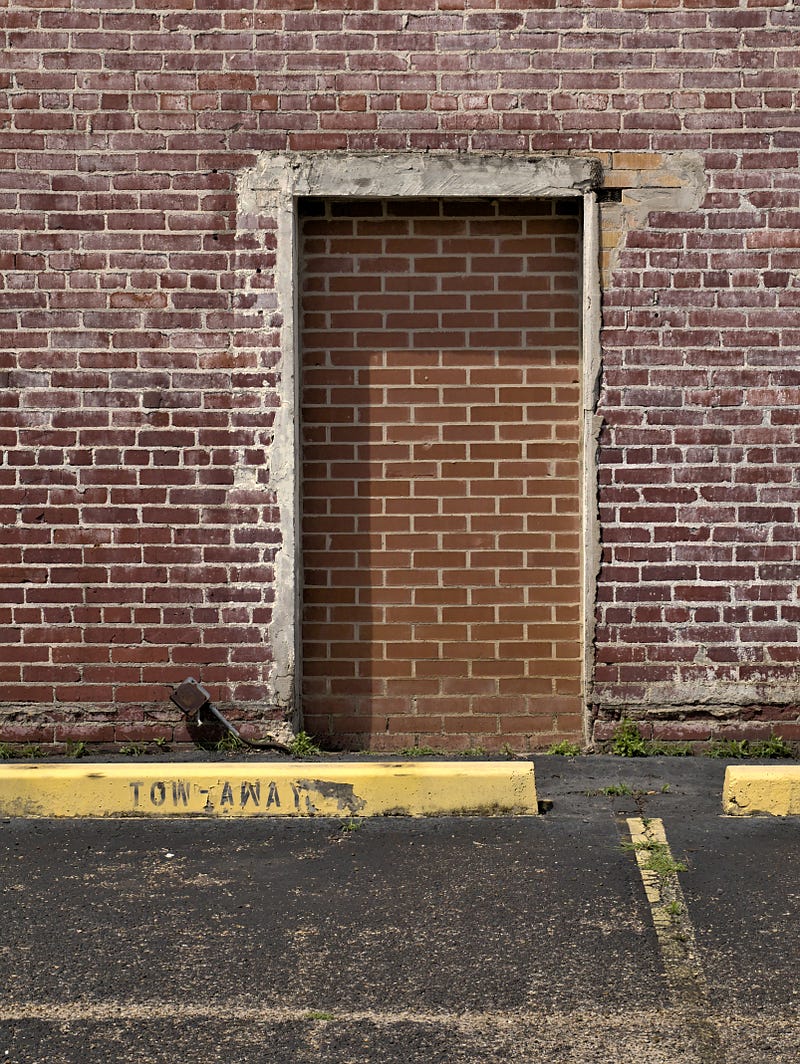
Why I quit writing
For years, my big, scary dream was to write. Not necessarily to be a full-time writer, but just to find the time to write.
When I was younger, I wrote all the time. We wrote our own children’s books in grade school, I entered essay contests in middle and high school, and in college and graduate school I wrote multiple 50–60 page research papers.
I’ve written before that I always thought of school as my happy place. I think part of that is due to my love of reading and learning in general, but I also loved all of the required writing. I didn’t have a choice — I had to synthesize my learning and my thoughts into writing. I loved the whole process — drafting, editing, and discussing my work with my professors — it scratched an itch in my brain that I didn’t know was there until I stopped writing.
I won’t bore you with the long version of the story, but transitioning to the “real world” after being in “student land” for the first 9 years of my adult life was difficult, both financially and mentally. I struggled to find my direction, spent all of my time working or drinking, and my mental health suffered immensely.
When I finally hit my low point with all of that, I just stopped any form of creative expression. My brain was so overloaded that I even quit working for a while because just continuing to exist in the world was a full-time job (with mandatory overtime).
For three months, all I did was watch TV, sleep, and go to therapy (I’m not kidding — I watched the first 19 seasons of Law & Order SVU in their entirety during this time period). Reflecting on that experience now, I know that I quit doing the thing that probably would have helped me the most — writing.
The work of being alive finally cut the mandatory overtime, so I went back to work 4 days per week. I still wasn’t writing.
I decided to move back to the area I grew up in and become a teacher in 2019 — and yes, my first year teaching was the year that got cut short by the pandemic. Needless to say, I was STILL not writing.

Picking up the pen again
For some reason, I decided that doing intensive trauma therapy was a great decision while I was stuck at home, alone, and off work for 2 months between school years. The main methodology involved hand-writing my trauma narrative and re-reading it daily to add more details and re-write any problematic thoughts, like “this was my fault.”
I was finally writing! But I was straight-up NOT having a good time. To make another long story very short, the writing assignment actually worked. I stopped having nightmares all of the time, and I felt a little bit less on edge in my day-to-day life. Weird…
If you thought that I was going to say that I picked up my pen (or laptop) and started writing after this experience, I hate to say it, but you are wrong — I was still missing the neon, flashing sign saying YOU NEED TO WRITE.
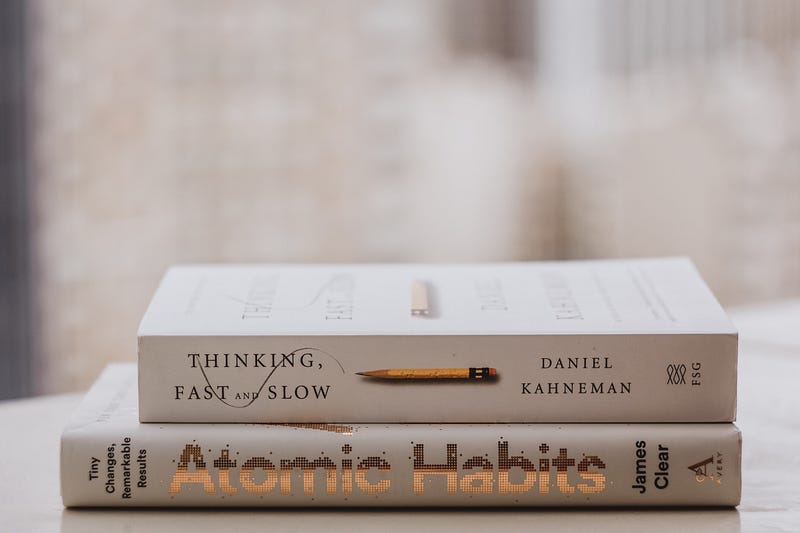
My 6 step process for getting back into a writing habit
So what happened? Why am I now writing about this on Al Gore’s internet for anyone to read? Here’s my fool-proof guide to writing again:
- Surround yourself with people who are actually good at expressing themselves creatively. If you suck at creative expression, you’re going to need some role models. I found this on accident when I took an improv class and made a bunch of friends who were silly, weird, and wonderfully creative.
- Continue doubting yourself for a long time. To be honest, it’s probably best if you skip this one, but it’s where I lived for a while.
- Start talking to that group of creative people you met in step 1 about your desire to be creative. I’m personally going through The Artist’s Way by Julia Cameron right now and it has been a real journey (and we’re only on week 4 out of 12).
- Look at your life, look at your choices. How are you spending your time? Are you spending it doing things you want to do? Where can you cut things that empty your cup and add things that fill your cup? I personally did this by getting up earlier in the day and by quitting my crappy side gig that was stealing a lot of time and creative energy. This was a change that I had a lot of anxiety about, but now I’m somehow more well-rested and feeling energized by my creative work!
- Use the time you created to do it badly. Nobody expects you to be the next Stephen King when you start writing, but maybe you’ll become that, and wouldn’t that be cool? The thing is, that you’ll never know unless you give yourself a chance to fail forward. Learn by trying something you are bad to middling at and then make adjustments as you receive feedback.
- Keep writing even when you are tired, frustrated, or busy. This is called prioritizing yourself. If writing gives you energy, and you feel passionate about it, it’s a need, not a want. Even if all you are doing is jotting ideas down in a notebook or journaling for five minutes at the end of the day, honor yourself with that time to write.
I hope reading about my journey and how I’ve re-engaged with the practice of writing has been helpful for you. My last piece of unsolicited advice is to remember that your writing journey is a marathon, not a sprint. You need to pace yourself so you don’t burn out before you get a chance to do your best work! Be realistic about how much time you actually have to write — sometimes it might just be 10 minutes a day, and that’s OK!
P.S. Don’t forget to start calling yourself a writer. The universe has a weird way of having your back once you tell it your dreams.
Thank you for reading! If you enjoyed this story, please clap for it (up to 50x) and leave a comment with anything that stuck out to you. This will help me improve my writing AND it will help other readers find my writing.
Are you a new writer? Consider signing up for my free weekly newsletter, the New Writers Collaborative, where I’ll share 3–5 free or low-cost resources (nothing over $20) every Sunday: https://newwriterscollaborative.substack.com.


