
SPIRITUALITY | YOGA | INDIA | TRAVEL | SELF-IMPROVEMENT
My 200-Hour Yoga Teacher Training in India
A quest for mental peace in the foothills of the Himalayas | Rishikesh, India
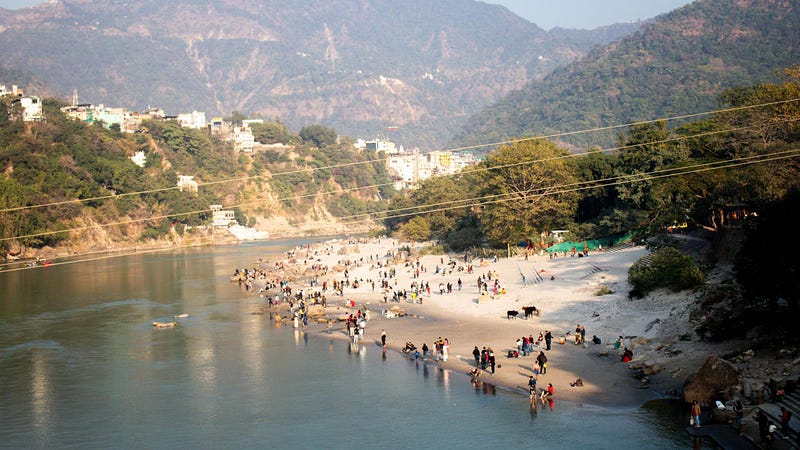
Strolling down the streets, I witness a kaleidoscope of colours — saffron-clad sadhus, market stalls overflowing with vibrant fabrics, and the colourful array of yoga mats. The scent of incense wafts through the air.
Nestled in the foothills of the Himalayas, embracing the Ganges River, is Rishikesh city. Not just a city — it’s a holy city. A spiritual haven. A yoga hub. A portal to a realm where time moves at its own unhurried pace.
In November of 2023, I found myself signing up to learn the art of yoga in the yoga capital of the world, Rishikesh.
It was a bold decision considering that I didn’t (and still don’t) have the physical skill one might expect from someone attending a 200-hour yoga teacher training course.
I can’t sit in a full lotus pose. My backbend is more like a back lean. My downward dog is out of alignment.
Oh god, why did I commit all 3-weeks of my winter break to practicing yoga and residing at an ashram?
The YouTube videos I watched in preparation showed me that I would have highly disciplined and structured days. The course syllabus showed a full schedule of asana, pranayama, and meditation practice along with anatomy and philosophy classes. The wake-up and sleep times were on a fixed schedule. Moreover, I would be eating a pure vegetarian diet with no caffeine or alcohol.
I started to worry. Did I possess the mental and physical stamina necessary to consistently train every day and adhere to the rules of the ashram?
Despite my reservations, I viewed the 200-hour yoga teacher training as a one-of-a-kind opportunity to immerse myself in the wisdom of Hindus and Buddhists. I yearned to refresh from the hustle and bustle of city life and to find a path towards mental peace. Maybe when I returned, I would even teach yoga to my students in Bangalore where I work as a teacher.
Many celebrities over the years have travelled to Rishikesh to absorb the spiritual wisdom. For instance, the Beatles sought spiritual reawakening through Transcendental Meditation in Rishikesh in the 60s. So too was Steve Jobs drawn to India in the 70s, embracing the philosophy of Nirvana and returning to the US as a shaven-headed Buddhist. The allure to follow in their footsteps and experience this spiritual journey first hand was undeniable.
After a quick Google search, I found my course online at BookYogaRetreats.com. A travel website, where you can compare ratings, photos, and prices of yoga retreats around the world and book your yogic experience with just the click of a button.
While searching for the right fit, I found only one 200-hour YTT course with a schedule that aligned with my winter holiday timeframe. My school break was mid-December to early January, and most yoga training programs start at the beginning of each month.
I pulled the trigger on that 3-week residential yoga course without researching the highest quality option. With 3-weeks to spare, minimal expectations, and an open mind, I was sold on what appeared to be a well-rounded curriculum and a tranquil retreat in the foothills of the Himalayas.
Located in the northern part of India, Rishikesh experiences a significant drop in temperatures from day to night during winter months. Worried about the cold nights, I texted the guru and owner of the property to ask about blankets.
His response: ‘You do not have to bring anything. Come with open arms to receive… the wisdom.’
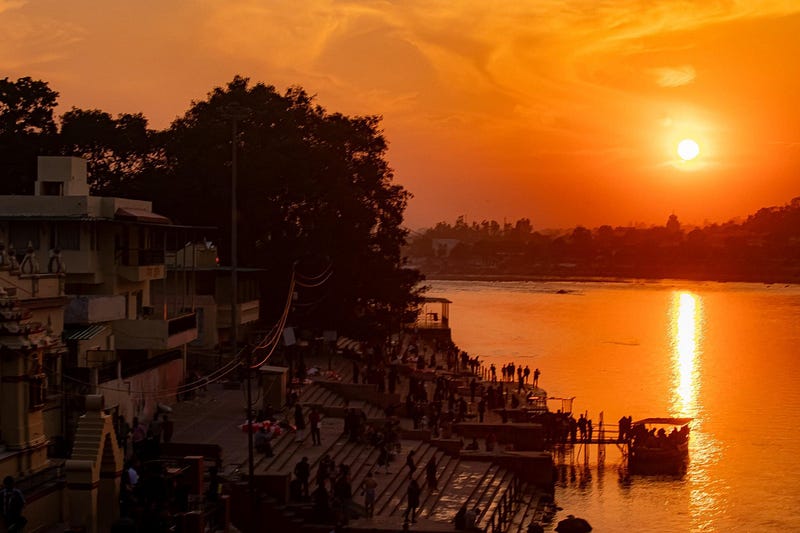
Settling In
On the first night, I was wrapped in a thick comforter and woollen blanket, yet it was not enough to ward off the cold. I thought about complaining to the staff, but having agreed to embrace the experience with ‘open arms’, I was hesitant.
My roommate, however, was persistent with her inquiries with the staff. Thanks to her, we secured an electric heater and were sleeping warmly by the second night.
In the evening, we gathered around a fire pit on the ashram lawn — a group of five aspiring yogis.
The only man in the course introduced himself as a spiritual tree guide. He described his occupation as someone who helps others connect with their higher self through conversations with trees in a forest.
He offered to demonstrate how he guides people to shift their consciousness inward, and instructed me to focus my awareness on my belly. I concentrated on the area within the belly for several minutes. As time passed, I began experiencing an unexpected sense of lightness. It was then that I felt that my journey towards mindfulness had officially begun.
Morning Ashtanga
Each day, at 7am, our small group of yoga seekers gathered in the studio for herbal tea and asana practice.
In the West, asanas, the physical postures of yoga , are often equated with “doing yoga”. For example, when someone mentions that they’re “going to yoga”, it implies that they are attending an asana class. But, those who practice traditional yoga in India emphasise that asanas actually constitute a small part of the entire yogic experience.
At 8:30am, our ashtanga teacher, a young man in his twenties and a native to Rishikesh, arrived at the ashram to introduce us to the art of ashtanga. His warm and engaging personality endeared him to all of his students.
The class began with chanting the opening mantra, followed by five rounds of Sun Salutation A and three rounds of Sun Salutation B. Once warmed up, we delved into the Standing Sequence.
Throughout the three weeks, our overarching goal in the ashtanga sessions was to guide a class through the Sun Salutations, count in Sanskrit, and instruct students in the Standing Sequence. By the second week, we began incorporating the Sitting Sequence into our practice.
For me, the biggest challenges were remembering the order of the poses, coordinating the breathe and the gaze, and offering guidance on students’ alignment.
In a welcome twist to our hard work, our ashtanga teacher was also an exceptional vegan baker. Every so often he would bring delicious treats, like chocolate chip cookies and carrot cake, which we savoured as a sweet reward at the end of a rigorous session.
After the ashtanga session, breakfast commenced at 10:30am. A round table set amidst the lush green grounds displayed an array of bowls brimming with porridge, sliced papaya, spicy pickles, and chapati (unleavened bread).
The culinary experience at the ashram was both enjoyable and enlightening. It provided valuable insights into the diversity of foods in India and their alignment with Ayurvedic principles.
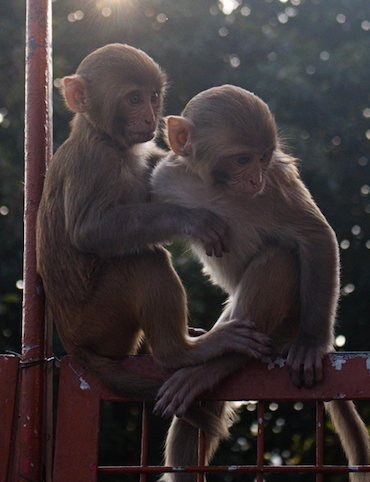
However, dining outdoors in Rishikesh is not for the faint of heart. Monkeys roamed the property freely. One time, a daring monkey darted straight on to our table, making a swift grab for the chapati.
Afternoon Philosophy and Hatha
Afternoons were dedicated to the study of anatomy and yogic philosophy.
After a couple of hours meticulously labelling muscles in the body, the focus then shifted to immersing ourselves in the wisdom of Patanjali’s Yoga Sutras — a renowned yogic text.
As a mystic, guru, author, and philosopher, who potentially lived between 200 BCE and 400 CE, Patanjali authored a number of Sanskrit texts now regarded as classical yogic philosophy.
The Yoga Sutras are most widely known for reference to the eight limbs of yoga, which serves as a roadmap toward nirvana or enlightenment.
These limbs are: yama (abstinence), niyama (observance), asana (yoga posture), pranayama (breath control), pratyahara (withdrawal of the senses), dharana (concentration of the mind), dhyana (meditation), and samadhi (enlightenment).
After our study sessions, we enjoyed a light lunch — lentil soup, raw vegetables, paneer curry, rice, and chapati. This was followed by a leisurely couple of hours of unstructured time. I usually opted for a full body massage for 1500 rupees, or a stroll down to the Ganges River beach for a refreshing ice bath.
At 4:00pm, it was time to return to the classroom. Now for a hatha yoga class. This was another asana session that emphasised the precise and prolonged execution of yoga poses.
In the initial days, I remember spending hours practicing downward dog, cat and cow pose, and chair pose It seemed that we would be holding those poses forever.
The endurance required, especially in poses like downward dog, led to a noticeable ache in my shoulders. Hours of slight adjustments in the elbows and shoulders left my shoulders feeling stiff throughout the duration of the course.
Finally, the day ended with a meditation class led by the guru and owner of the ashram. Then, dinner, which typically mirrored the lunch offerings, was served by the warmth of the campfire outside.
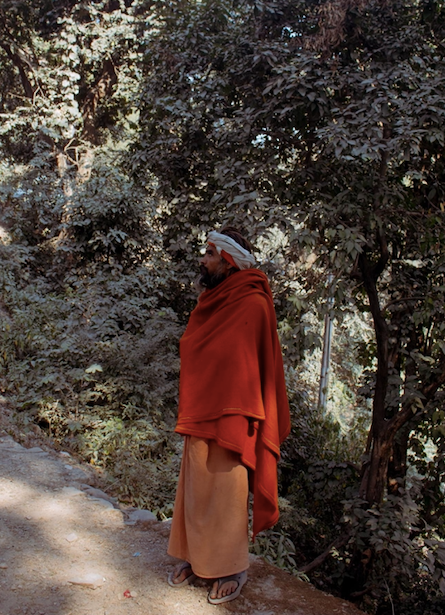
Three-Week Conclusion
For the graduation ceremony, I was dressed in a white saree provided by the ashram. A red paste was dotted on my forehead. Alongside my fellow graduates, I shook the hands with the gurus and posed for photos holding my newly minted certificate.
I felt a sense of pride in finishing the course. It was more than an exercise in discipline; as a foreigner living in India, this course provided me with invaluable insights into the culture of the country where I now call home.
I feel accomplished, yet my journey is still a work in progress — especially when it comes to mastering the poses themselves.
Since returning home to Bangalore, I’ve noticed a tangible improvement in my physical strength and an increase in energy. I find myself effortlessly flowing through yoga sequences, and when I started lifting weights at the gym again, I’ve witnessed a boost in stamina.
In the future, I can see myself staying at an ashram again. There will always be some benefit to gain from the tranquil and focused practice at the ashram.
I’ve also considered attending a 10-day Vipassana meditation retreat, which is where you observe silence throughout the duration of the retreat. I’m not sure when I will attempt that, but for now, I feel empowered that I can tackle any challenge that I set my mind to.