
Classical music/Emotions
Musicians Are Emotional People
As I speak for myself, I am an emotional person.
I can cry a lot too fast when something is not right or I wasn’t treated right. That is also personal to me. I mean, when someone says hurtful things to me, I say something about it, but if someone still continues what he or she is doing, hurting me then I cry a lot. Because I don’t know how to use my emotions at that moment. When I cried out, I tell it again and again, but most of the time it doesn’t work out as a lot of people still continuing hurting me.
Music is built from people’s emotions. In the first place from composers writing their emotions into music notes. When a composer feels terrible during the war, then it is highly possible he put his feelings into music notes. That could be from phrasing the melody or by playing piano and forte (playing the dynamics: piano (is soft), forte (is loud) — of course, you have more dynamics). With these dynamics, you can play phrasings. And composers are using those phrasings to compose with their heart, with their feelings, and with their emotions. They are all coming together when he writes music.
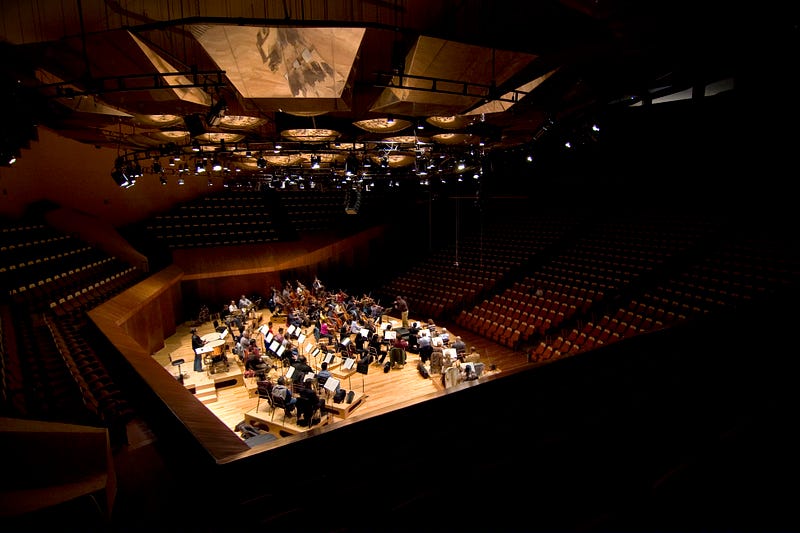
The musician, on the other hand, and plays written music from the composer. He or she, on the other hand, has also feelings, emotions and a heart that comes together. When the musician plays that particular music, he or she uses her or his feelings while playing the music. The musician has his or her vision on how to play that music besides the vision of the composer. When the composer was angry with the president of his country, he composes that, but the musician must know about this situation of the composer to help him or her playing the music and pass it on to the audience. The musician plays it with the dynamics he or she thinks the composer meant you should play it. Some musicians have different ideas on that vision of the composer.
As a musician, you must read about the composer’s vision, feelings, situations, and his or her life. It is important how to play music. It is also important to know a little bit more about the composer, as it helps you to play this music and what the composer meant with his music.
When I play the violin, I use my emotions, feelings, and heart because that is what playing music does with me. Emotions are for me to feel what the composer meant through my whole body and that everything in my brain shut down and don’t think about everything. Emotions are also trying to feel what the composer meant with the music and why he wrote the music in what circumstances. That is important to understand the music you’re playing.
Emotions also are trying to stand in the shoes of the composer and the musician. At the same time trying to bring these emotions towards the audience. To let the audience understand what you mean by the music you’re playing. Emotions are also knowing how to use your instrument, how to breathe on your clarinet, how to use your bow on your cello, knowing how to move your arms when you’re a conductor. Going slower or faster when you need to.
Agnes Laurens is a writer. She writes for the local newspaper. Agnes lives in Bunnik, The Netherlands, with her husband and three daughters. Writing is — aside from playing the violin — one of her passions since childhood. She is on Twitter and Instagram.
As soon as my Patreon page is ready to be launched, you’ll be the first one who will get notifications when you subscribe to my mailing list and subscribe to my Thoughts.


