avatarTracy Sutherland - Internet and Affiliate Marketer

Free AI web copilot to create summaries, insights and extended knowledge, download it at here

1736

Abstract

isation allows for a dynamic and ever-evolving musical conversation, making each performance unique.</li><li><i>Swing and Syncopation:</i> The rhythmic backbone of jazz, characterized by the “swing” feel, infuses the music with a dynamic pulse. Syncopation, the emphasis on off-beats, adds a layer of complexity and excitement to jazz compositions.</li><li><i>Call and Response:</i> Rooted in African musical traditions, the call-and-response technique is a hallmark of jazz. Musicians engage in a dialogue, with one player presenting a musical idea and others responding in turn, fostering a sense of collective expression.</li></ul><p id="079d">3. Jazz Evolution and Genres:</p><ul><li><i>From Dixieland to Bebop:</i> As jazz spread beyond New Orleans, it evolved into various sub-genres. Dixieland jazz, swing, bebop, cool jazz, and modal jazz are just a few of the styles that emerged over the decades. Each era brought its own innovations and artistic expressions.</li></ul><figure id="788e"><img src="https://cdn-images-1.readmedium.com/v2/resize:fit:800/0*jqmqYvVmy9WiLEaM"><figcaption>Photo by <a href="https://unsplash.com/@halacious?utm_source=medium&amp;utm_medium=referral">Hal Gatewood</a> on <a href="https://unsplash.com?utm_source=medium&amp;utm_medium=referral">Unsplash</a></figcaption></figure><p id="1788">4. Influential Jazz Pioneers:</p><ul><li><i>Louis Armstrong — The Ambassador of Jazz:</i> Louis Armstrong, with his groundbreaking trumpet playing and charismatic stage presence, is often regarded as the ambassador of jazz. His contributions to the genre, including the development of scat singing, left an indelible mark on the music world.</li><li><i>Miles Davis — Innovator and Visionary:</i> Miles Davis, a

Options

key figure in the evolution of jazz, pioneered the cool jazz movement and continued to push boundaries with modal jazz and fusion. His restless creativity and willingness to explore new avenues shaped the trajectory of jazz.</li></ul><p id="8263">5. Global Impact and Contemporary Jazz:</p><ul><li><i>Jazz Goes Global:</i> From its New Orleans roots, jazz has transcended borders and influenced musicians worldwide. Jazz festivals, schools, and communities thrive globally, contributing to the genre’s diverse and ever-expanding landscape.</li><li><i>Contemporary Fusion:</i> Jazz continues to evolve in the contemporary music scene, embracing fusion with other genres like rock, hip-hop, and electronic music. This dynamic fusion ensures that jazz remains a living, breathing art form that speaks to the ever-changing cultural landscape.</li></ul><figure id="f7ae"><img src="https://cdn-images-1.readmedium.com/v2/resize:fit:800/0*8gqCKR9LS1Qph0t3"><figcaption>Photo by <a href="https://unsplash.com/@starsraining?utm_source=medium&amp;utm_medium=referral">Stella He</a> on <a href="https://unsplash.com?utm_source=medium&amp;utm_medium=referral">Unsplash</a></figcaption></figure><p id="cb62">Conclusion: Jazz, born from the vibrant streets of New Orleans, has become a testament to the power of musical fusion, improvisation, and cultural expression. As we explore the origins and key elements of jazz, we discover a genre that not only reflects the past but also serves as a catalyst for innovation and unity in the ever-evolving world of music. In its essence, jazz is more than a genre; it’s a celebration of diversity, creativity, and the universal language that connects hearts and minds across generations.</p></article></body>

Music Lovers-Jazz is Music to my Soul.

“Harmony in History: Exploring the Origins and Essence of Jazz Music”
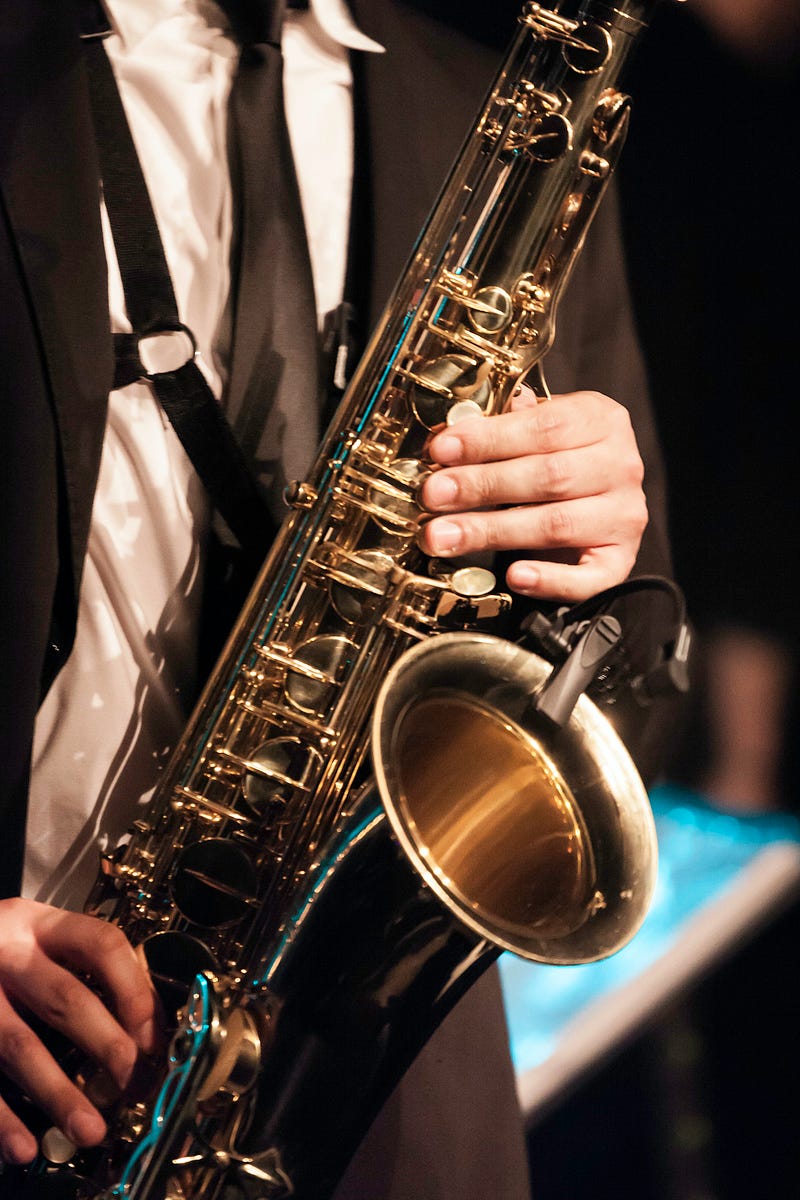
Photo by Reno Laithienne on Unsplash

Jazz, a genre that transcends time and resonates with the heartbeat of cultural evolution, has a rich and vibrant history. From its humble beginnings to its status as a global musical phenomenon, jazz has woven a tapestry of innovation, diversity, and improvisation. Let’s embark on a journey through the origins and key elements that define the essence of jazz music.

1. Birthplace and Early Roots:

  • New Orleans, The Cradle of Jazz: Jazz traces its roots to the lively streets of New Orleans, Louisiana, in the late 19th and early 20th centuries. A melting pot of diverse cultures, including African, European, and Caribbean influences, created the fertile ground from which jazz emerged.
  • Ragtime and Blues Fusion: Jazz owes much of its early development to the fusion of ragtime and blues. The syncopated rhythms of ragtime and the emotional expression of blues found a harmonious blend in the vibrant music scene of New Orleans.

2. Key Elements of Jazz:

  • Improvisation — The Heartbeat of Jazz: Central to jazz is the art of improvisation. Jazz musicians, be they soloists or ensemble players, thrive on spontaneous creativity. Improvisation allows for a dynamic and ever-evolving musical conversation, making each performance unique.
  • Swing and Syncopation: The rhythmic backbone of jazz, characterized by the “swing” feel, infuses the music with a dynamic pulse. Syncopation, the emphasis on off-beats, adds a layer of complexity and excitement to jazz compositions.
  • Call and Response: Rooted in African musical traditions, the call-and-response technique is a hallmark of jazz. Musicians engage in a dialogue, with one player presenting a musical idea and others responding in turn, fostering a sense of collective expression.

3. Jazz Evolution and Genres:

  • From Dixieland to Bebop: As jazz spread beyond New Orleans, it evolved into various sub-genres. Dixieland jazz, swing, bebop, cool jazz, and modal jazz are just a few of the styles that emerged over the decades. Each era brought its own innovations and artistic expressions.
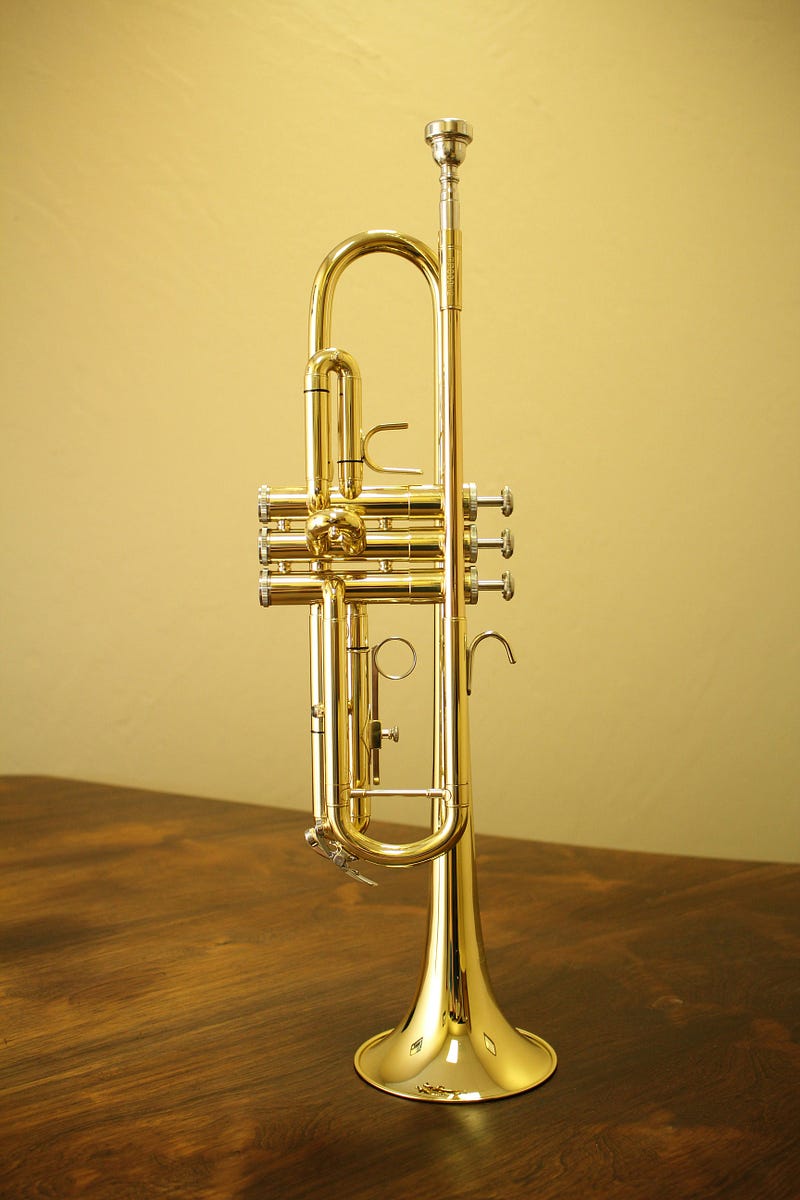
Photo by Hal Gatewood on Unsplash

4. Influential Jazz Pioneers:

  • Louis Armstrong — The Ambassador of Jazz: Louis Armstrong, with his groundbreaking trumpet playing and charismatic stage presence, is often regarded as the ambassador of jazz. His contributions to the genre, including the development of scat singing, left an indelible mark on the music world.
  • Miles Davis — Innovator and Visionary: Miles Davis, a key figure in the evolution of jazz, pioneered the cool jazz movement and continued to push boundaries with modal jazz and fusion. His restless creativity and willingness to explore new avenues shaped the trajectory of jazz.

5. Global Impact and Contemporary Jazz:

  • Jazz Goes Global: From its New Orleans roots, jazz has transcended borders and influenced musicians worldwide. Jazz festivals, schools, and communities thrive globally, contributing to the genre’s diverse and ever-expanding landscape.
  • Contemporary Fusion: Jazz continues to evolve in the contemporary music scene, embracing fusion with other genres like rock, hip-hop, and electronic music. This dynamic fusion ensures that jazz remains a living, breathing art form that speaks to the ever-changing cultural landscape.

Photo by Stella He on Unsplash

Conclusion: Jazz, born from the vibrant streets of New Orleans, has become a testament to the power of musical fusion, improvisation, and cultural expression. As we explore the origins and key elements of jazz, we discover a genre that not only reflects the past but also serves as a catalyst for innovation and unity in the ever-evolving world of music. In its essence, jazz is more than a genre; it’s a celebration of diversity, creativity, and the universal language that connects hearts and minds across generations.

Music
Jazz Music
New Orleans
Saxophone
Trumpet
Recommended from ReadMedium
avatarTracy Sutherland - Internet and Affiliate Marketer
Scammed: I’ve Received my Refunds.

Last few Updates.

4 min read