
Murder Hornets: A Cause for Concern?
Are Asian giant hornets really the monsters the media is portraying them to be?
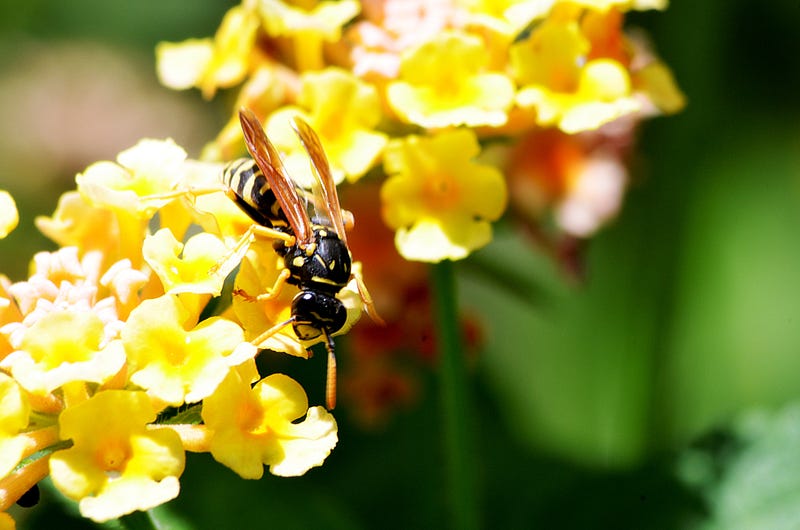
A virus that’s wiped out thousands of lives, disastrous tornadoes, and murder hornets: it all sounds straight out of a blockbuster film or dystopian novel, right? Unfortunately, that’s just the world we’re currently living in. Recently, Asian giant hornets, nicknamed “murder hornets,” have been a media sensation after their initial sighting in Vancouver Island.
It’s not exactly clear how these hornets arrived in North America. However, experts believe that ship or airplane cargo may have accidentally transported a fertilized female hornet overseas, which eventually led to the spread of the insects.
What are identifying features of Asian giant hornets?
Asian giant hornets have orange heads, a black thorax, and orange and black striped abdomens. The queens can grow up to 2 inches with a wingspan of 3 inches. Workers, on the other hand, are similar in size to other wasps native to America, growing up to 1.5 inches in length.
How did the Asian giant hornet get the name “murder hornet?”
A handful of the hornets can decapitate a hive of bees in a few hours to provide meat for their larvae. To add to their ferocity, this species is also the largest known hornet on Earth. Asian giant hornets have a longer stinger and higher venom toxicity than honeybees and wasps.
Should people be scared of these hornets?
Though it’s easy to fly into a panic over these bugs, the majority of America is safe from the threat. The only areas affected by the hornets are the immediate vicinity of Vancouver Island and parts of Washington. And to assuage your worries, Asian giant hornets don’t target humans unless provoked, as people in China, Korea, Japan, and India have lived relatively peacefully with these hornets for hundreds of years.
In fact, even mosquitoes are deadlier than these hornets! Mosquitoes are the culprits behind millions of annual deaths from malaria, dengue fever and other diseases, according to the World Health Organization. While those little blood-suckers are surprisingly menacing creatures, we don’t stay isolated in our homes in fear of encountering a mosquito, right?
What impact will the Asian giant hornet leave on North America?
As a result of the unnecessary panic the hornets have caused, “millions and millions of innocent native insects are going to die,” Dr. Doug Yanega, a professor of entomology at the University of California, Riverside, explained to the LA Times. After breaking reports on these hornets, terrified citizens have started setting traps using orange juice and cooking wine to find hornet nests. However, the traps are luring in harmless bees and wasps, instead.
And, the “murder wasp” sightings many citizens are reporting are more likely “cicada killer” wasps or European hornets. While all 3 names may be equally alarming, these other 2 species of insects aren’t as large or aggressive as Asian giant hornets.
The Asian giant hornet will also directly harm native honeybees, yellow jackets, and other species of hornets, which are their main sources of food. While Asian honeybees have a defense system against Asian giant hornets, European honeybees, common in America, are unequipped to face these foreign hornets. Honeybees are already threatened by increased pesticide use and loss of habitat, so this added predator could be a danger to their existence.
The Takeaway:
Though murder hornets are the latest buzz in town, it’s highly unlikely you’ll come across one of these insects. Plus, they don’t possess a major threat to humans, no matter what the latest headlines may say. While Asian giant hornets are still out there, there’s no reason to let fear affect us, just like the risk of encountering a shark doesn’t keep us from wading into the ocean.


