avatarYour Health Master.

Free AI web copilot to create summaries, insights and extended knowledge, download it at here

3421

Abstract

:</p><blockquote id="3456"><p><b>· Orchitis in the post pubertal males</b></p></blockquote><blockquote id="fb71"><p><b>· Meningitis</b></p></blockquote><h1 id="b0b4">Orchitis in the Post Pubertal Males</h1><figure id="c6e6"><img src="https://cdn-images-1.readmedium.com/v2/resize:fit:800/0*y6q0a7u-sfgikeMN"><figcaption>Photo by <a href="https://media.istockphoto.com/id/92148804/photo/mother-feeling-feeling-sons-neck.jpg?b=1&amp;s=612x612&amp;w=0&amp;k=20&amp;c=QpSO4eregUjVXjn799Zal7JZbPqMGc6glqHTsKHlKXE=">Pexels</a></figcaption></figure><p id="ddf7">Orchitis is a condition that causes<b> inflammation and swelling of one or both testicles.</b> Bacterial and viral infections are the most common causes of it. It is uncommon in the post-pubertal males. It happens in <b>about one-third of post-pubertal males who contact with mumps after puberty.</b> Orchitis can cause the following:</p><blockquote id="d2f1"><p>· Pain</p></blockquote><blockquote id="dd1b"><p>· Fever</p></blockquote><blockquote id="f944"><p>· Nausea</p></blockquote><blockquote id="f291"><p>· General discomfort in the lower abdomen and groin area.</p></blockquote><blockquote id="6c5f"><p>· It can also affect <b>fertility and the hormonal production of the affected testicles and cause them to shrink in size.</b></p></blockquote><blockquote id="32d6"><p>· <b>Sterility</b> in such males can also happen.</p></blockquote><h1 id="d4e5">Meningitis</h1><p id="c3f1">It is a condition in which there is <b>swelling and inflammation of the membranes covering the brain and spinal cord</b>. Usually, it is benign, self-limited, and without sequelae. The following are the three most common viruses causing viral meningitis:</p><blockquote id="5c65"><p>· Coxsackie virus</p></blockquote><blockquote id="63b7"><p>· Mumps virus</p></blockquote><blockquote id="3101"><p>· Echovirus</p></blockquote><h1 id="8874">Laboratory Diagnosis</h1><blockquote id="492b"><p>· Most cases of mumps are diagnosed by the presentation of clinical features.</p></blockquote><blockquote id="7c55"><p>· A PCR test is used to identify the virus RNA.</p></blockquote><blockquote id="0d1a"><p>· Serological tests having a greater than fourfold rise in the antibody titer to mumps virus can also be used as a diagnostic test.</p></blockquote><h1 id="389d">Treatment of Mumps</h1><p id="d3d1">There is <b>no treatment for mumps.</b></p><h1 id="c36c">How to Prevent this Disease?</h1><figure id="6111"><img src="https://cdn-images-1.readmedium.com/v2/resize:fit:800/0*yNHRhRo807-y5Z2P"><figcaption>Photo by <a href="https://media.istockphoto.com/id/1126559054/photo/children-vaccine-for-prevention-of-viral-diseases.jpg?b=1&amp;s=612x612&amp;w=0&amp;k=20&amp;c=adilUXUaMce8zDXGwuQ0ssJHe81vQGJdAWuSyRGxmMk=">Pexels</a></figcaption></figure><p id="8e75">Prevention consists of <b>immunization with a live, attenuated vaccine.</b> The vaccine is <b>effective and long-lasting (at least 10 years).</b> The vaccine has few side effects. As the vaccine is live it must not be given to the following:</p><blockquote id="add2"><p>· Immunocompromised patients</p></blockquote><blockquote id="09a0"><p>· Pregnant women</p></blockquote><p id="9a57">Generally, <b>two immunizations are recommended</b>. One is at <b>15 months and the other booster dose at 4 to 6 years,</b> usually, in <b>combination with the measles and rubella vaccine. </b>Remember, <b>immunoglobulins are not preventive fo

Options

r the mumps orchitis.</b></p><p id="b3ab" type="7">Different past studies have shown that the disease had outbroken in the communities already vaccinated with the first vaccine. Such people were given the booster dose, commonly known as the MMR (Measles, Mumps, Rubella) vaccine. Later, the disease again developed in the already vaccinated people. In many individuals, more than 10 years had elapsed, since their last MMR immunization. It indicates that waning immunity also plays a role.</p><h1 id="6f3b">Recommended Diet During Mumps</h1><p id="2aa5">Typically, a<b> soft, bland, and non-acidic diet that can soothe the swollen glands and prevent irritation is recommended during mumps. </b>The following are some of the highly suggested food items for such patients:</p><blockquote id="4319"><p>· Spices such as ginger, garlic, and black pepper. These spices have anti-inflammatory and anti-microbial characteristics.</p></blockquote><blockquote id="2ef9"><p>· Soft foods that are easy to chew. For example, creamy potatoes, runny oatmeal, and rice porridge.</p></blockquote><blockquote id="2d2c"><p>· Soap and broth-based foods that help to provide hydration and nutrition, such as chicken and vegetable soup.</p></blockquote><blockquote id="7c5f"><p>· Yogurt provides probiotics and calcium.</p></blockquote><blockquote id="cea6"><p>· Sugar-free and non-citrus fruits and vegetable juices. For example, cucumber juice, kiwi juice, strawberry juice, and beetroot juice.</p></blockquote><figure id="d508"><img src="https://cdn-images-1.readmedium.com/v2/resize:fit:800/0*AU4q_97pZjgVuml4"><figcaption>Photo by <a href="https://unsplash.com/@brookelark?utm_source=medium&amp;utm_medium=referral">Brooke Lark</a> on <a href="https://unsplash.com?utm_source=medium&amp;utm_medium=referral">Unsplash</a></figcaption></figure><p id="45bf">The following foods are recommended to be <b>avoided</b> during the mumps:</p><blockquote id="4839"><p>· Acidic foods and beverages can result in more pain and inflammation in the salivary glands. For example, citrus fruits, vinegar, tomatoes, and soda.</p></blockquote><blockquote id="49aa"><p>· Crunchy and hard foods that can injure the swollen glands, such as nuts, crackers, and chips.</p></blockquote><blockquote id="20c9"><p>· Spicy and salty foods that can irritate the mucus membranes like chili, pickles, and many more.</p></blockquote><blockquote id="b745"><p>· Alcohol and caffeine can dehydrate the body and interfere with the immune system.</p></blockquote><h1 id="be88">Key Point</h1><p id="f936" type="7">It is also crucial to consume plenty of fluids, such as milk, herbal tea, and water to prevent dehydration. Excess fluids can also help to flush out the toxins from your body. Moreover, if you are taking some supplements or medications that can interfere with the virus, you must consult your healthcare professional.</p><h1 id="7235">Conclusion</h1><p id="d0e6">Mumps is a common childhood disease. Being parents or elders, it is our responsibility to take care of our children. Though it is a benign disorder, it can cause serious complications like infertility. Proper immunization of your kids is necessary at a young age to prevent such a dangerous disease.</p><p id="8226"><b><i>Thanks for reading this article. We hope it helped you in some beneficial ways. Share your valuable feedback with us. Stay healthy and happy always.</i></b></p></article></body>

Mumps: A Common Childhood Disease That Can Have Serious Consequences
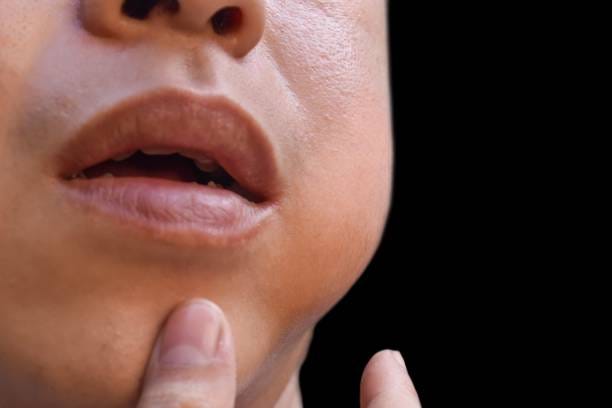
Photo by Pexels

Mumps virus causes mumps, a disease characterized by the salivary glands swelling. It primarily occurs in the childhood.

Important Properties of the Virus

The following are some important properties of the Mumps virus:

· Humans are the natural host of this virus.

· It is an enveloped virus with a helical nucleocapsid.

· It consists of a single-stranded RNA with a negative polarity.

Mode of Transmission

Mumps virus is transmitted via respiratory droplets. It occurs worldwide with a peak incidence in the winter. About 30% of the children have a subclinical (inapparent) infection, which confers immunity.

Pathogenesis

The virus infects the upper respiratory tract and then spreads through the blood to infect the following:

Salivary glands, especially the parotid gland

· Testes

· Ovaries

· Pancreas

· Meninges in some cases
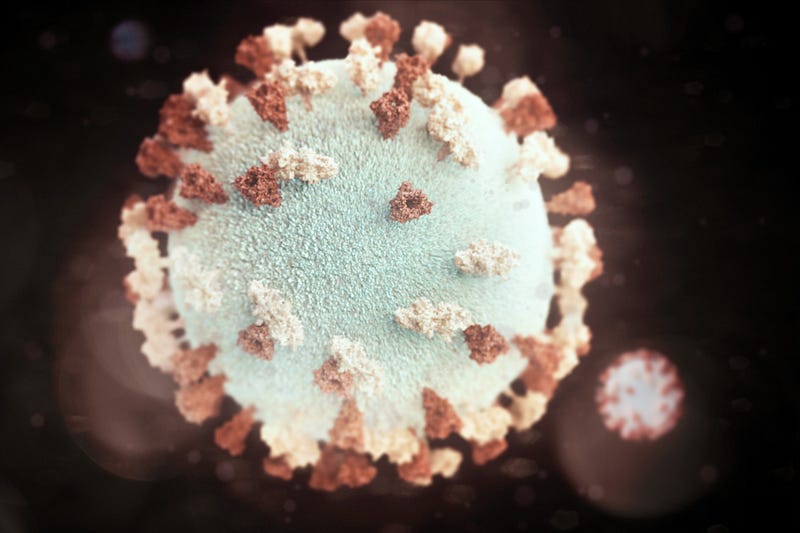
Photo by CDC on Unsplash

Immunity

Lifelong immunity occurs in the person who has had the disease. There is a misconception that unilateral mumps can be followed by mumps on the other side. Mumps occurs only once, subsequent cases of parotitis can be caused by other viruses, such as parainfluenza virus, bacteria, and duct stones.

Maternal antibodies pass the placenta and provide protection during the first 6 months of life.

Clinical Findings

After the viral incubation period, which is about 18 to 21 days the prodromal stage of the following features occurs:

· Fever

· Malaise

· Anorexia

· This prodromal stage is followed by the tender swelling of the salivary gland either unilateral or bilateral.

There is a characteristic increase in the parotid gland pain when drinking citrus juices. This disease is typically benign and resolves spontaneously within a 1-week span. Remember a rash does not occur in mumps.

Two Serious Complications Caused by Mumps

The following two complications are of significance:

· Orchitis in the post pubertal males

· Meningitis

Orchitis in the Post Pubertal Males
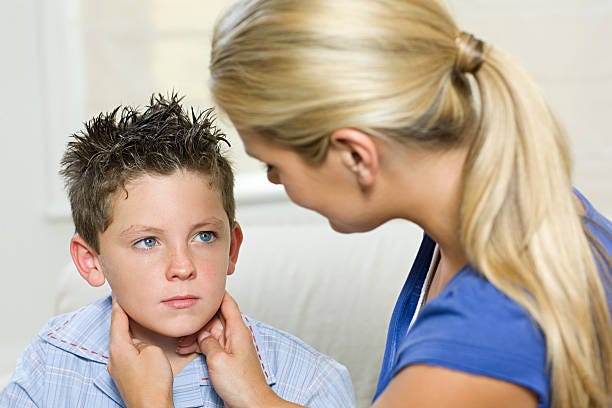
Photo by Pexels

Orchitis is a condition that causes inflammation and swelling of one or both testicles. Bacterial and viral infections are the most common causes of it. It is uncommon in the post-pubertal males. It happens in about one-third of post-pubertal males who contact with mumps after puberty. Orchitis can cause the following:

· Pain

· Fever

· Nausea

· General discomfort in the lower abdomen and groin area.

· It can also affect fertility and the hormonal production of the affected testicles and cause them to shrink in size.

· Sterility in such males can also happen.

Meningitis

It is a condition in which there is swelling and inflammation of the membranes covering the brain and spinal cord. Usually, it is benign, self-limited, and without sequelae. The following are the three most common viruses causing viral meningitis:

· Coxsackie virus

· Mumps virus

· Echovirus

Laboratory Diagnosis

· Most cases of mumps are diagnosed by the presentation of clinical features.

· A PCR test is used to identify the virus RNA.

· Serological tests having a greater than fourfold rise in the antibody titer to mumps virus can also be used as a diagnostic test.

Treatment of Mumps

There is no treatment for mumps.

How to Prevent this Disease?
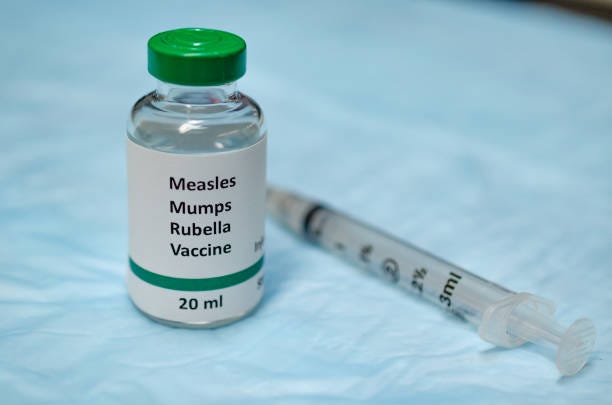
Photo by Pexels

Prevention consists of immunization with a live, attenuated vaccine. The vaccine is effective and long-lasting (at least 10 years). The vaccine has few side effects. As the vaccine is live it must not be given to the following:

· Immunocompromised patients

· Pregnant women

Generally, two immunizations are recommended. One is at 15 months and the other booster dose at 4 to 6 years, usually, in combination with the measles and rubella vaccine. Remember, immunoglobulins are not preventive for the mumps orchitis.

Different past studies have shown that the disease had outbroken in the communities already vaccinated with the first vaccine. Such people were given the booster dose, commonly known as the MMR (Measles, Mumps, Rubella) vaccine. Later, the disease again developed in the already vaccinated people. In many individuals, more than 10 years had elapsed, since their last MMR immunization. It indicates that waning immunity also plays a role.

Recommended Diet During Mumps

Typically, a soft, bland, and non-acidic diet that can soothe the swollen glands and prevent irritation is recommended during mumps. The following are some of the highly suggested food items for such patients:

· Spices such as ginger, garlic, and black pepper. These spices have anti-inflammatory and anti-microbial characteristics.

· Soft foods that are easy to chew. For example, creamy potatoes, runny oatmeal, and rice porridge.

· Soap and broth-based foods that help to provide hydration and nutrition, such as chicken and vegetable soup.

· Yogurt provides probiotics and calcium.

· Sugar-free and non-citrus fruits and vegetable juices. For example, cucumber juice, kiwi juice, strawberry juice, and beetroot juice.

Photo by Brooke Lark on Unsplash

The following foods are recommended to be avoided during the mumps:

· Acidic foods and beverages can result in more pain and inflammation in the salivary glands. For example, citrus fruits, vinegar, tomatoes, and soda.

· Crunchy and hard foods that can injure the swollen glands, such as nuts, crackers, and chips.

· Spicy and salty foods that can irritate the mucus membranes like chili, pickles, and many more.

· Alcohol and caffeine can dehydrate the body and interfere with the immune system.

Key Point

It is also crucial to consume plenty of fluids, such as milk, herbal tea, and water to prevent dehydration. Excess fluids can also help to flush out the toxins from your body. Moreover, if you are taking some supplements or medications that can interfere with the virus, you must consult your healthcare professional.

Conclusion

Mumps is a common childhood disease. Being parents or elders, it is our responsibility to take care of our children. Though it is a benign disorder, it can cause serious complications like infertility. Proper immunization of your kids is necessary at a young age to prevent such a dangerous disease.

Thanks for reading this article. We hope it helped you in some beneficial ways. Share your valuable feedback with us. Stay healthy and happy always.

Mumps
Childhood Disease
Prevention
Immunity
Viral Disease Diagnosis
Recommended from ReadMedium