avatarLeo Mirage

Free AI web copilot to create summaries, insights and extended knowledge, download it at here

2207

Abstract

enough”, know that there is no such thing.</p><p id="7682">Some common emotions experienced during grief include sadness, anger, guilt, confusion, and even relief. We must give ourselves permission to feel and express these emotions in a healthy and non-judgmental way and acknowledge our feelings they are a part of us, this is how you truly move forward in a healthy way.</p><figure id="b4b4"><img src="https://cdn-images-1.readmedium.com/v2/resize:fit:800/0*u5GQACjU3CKoQ7Am"><figcaption>Photo by <a href="https://unsplash.com/@diegosan?utm_source=medium&amp;utm_medium=referral">Diego San</a> on <a href="https://unsplash.com?utm_source=medium&amp;utm_medium=referral">Unsplash</a></figcaption></figure><h2 id="ce12">Coping Mechanisms for Managing Grief</h2><p id="475c">While grief can feel all-consuming, there are coping mechanisms that can help us manage our emotions and find solace amidst the pain. Engaging in activities that bring us joy and provide a sense of comfort can be instrumental in the healing process. This could include reading like right now or maybe even writing. Expressing myself in writing form is what I do every day, and that can really help manage your grief and stress.</p><p id="aca7">Do what you love, find peace in what you enjoy doing.</p><h2 id="a72f">Seeking Support During the Grieving Process</h2><p id="f34d">Grief can be an isolating experience, but it’s important to remember that support is available. Seeking support from friends, family, or support groups can provide a safe space to share our feelings and experiences.</p><blockquote id="7bec"><p>“Courage is asking for help and strength to accept it.” — <b>Brené Brown</b></p></blockquote><figure id="0717"><img src="https://cdn-images-1.readmedium.com/v2/resize:fit:800/0*9IjiiDBBb5qv0Mgf"><figcaption>Photo by <a href="https://unsplash.com/@heftiba?utm_source=medium&amp;utm_medium=referral">Toa Heftiba</a> on <a href="https://unsplash.com?utm_source=medium&amp;utm_medium=referral">Unsplash</a></figcaption></figure><h2 id="0a9d">Self-Care Practices for Healing and Managing Grief</h2><p id="399c">Taking care of ourselves during the grieving process is crucial for our overall well-being. Engaging in s

Options

elf-care practices can help us navigate difficult emotions and find moments of peace and healing.</p><p id="82ba">Creating a daily routine that incorporates activities that bring us joy and comfort can also provide structure and stability during challenging times. I like to take sometime to destress whether that is exercising, or even meditation. Everyone have a preference, do what make you happy and hopefully we can find healing together.</p><figure id="ff16"><img src="https://cdn-images-1.readmedium.com/v2/resize:fit:800/0*wFPJ5Vk4HKqQVlNU"><figcaption>Photo by <a href="https://unsplash.com/@dan__burton?utm_source=medium&amp;utm_medium=referral">Dan Burton</a> on <a href="https://unsplash.com?utm_source=medium&amp;utm_medium=referral">Unsplash</a></figcaption></figure><h2 id="ec75">Professional Help for Managing Grief</h2><p id="323d">Sometimes, the weight of grief can become too heavy to bear alone. Seeking professional help is not a sign of weakness but a courageous step towards healing. Grief counselors and therapists are trained to provide guidance, support, and coping strategies to help individuals navigate through the complexities of grief.</p><p id="8528">Personally, they helped offer me a non-judgmental space, I liked how willing they were to listen and how we were able to process my loss together, as an expert in the field of understanding the emotional works behind grief. With the help of my grief counselor, I found healthy ways to move forward.</p><p id="2997">Don’t hesitate to reach out for professional help if you feel overwhelmed or stuck in your grief journey.</p><h2 id="698a">Conclusion</h2><p id="d80a">Going through grief can be an emotional rollercoaster, but it’s important to manage your grief. Everyone is different and how long it takes to overcome grief will vary, so never be disheartened during the process of healing. Do what you love, ask for help, and seek professional aid. All these things can be a catalyst for a healthy way to move forward from grief.</p><p id="4a8e"><b>You are not alone.</b></p><p id="6e8c"><i>Thank you for reading; your interest and support mean the world to me. I appreciate your time and attention.</i></p></article></body>

Moving Forward From Grief

There are ways to help overcome Grief and move forward with a smile.

Photo by Kristina Tripkovic on Unsplash

In a world full of unexpected challenges and heart-wrenching losses, grief is an inevitable part of life. Coping with the loss of a loved one can feel overwhelming and all-consuming, leaving us feeling lost and unsure of how to move forward.

Understanding the Grieving Process

Grieving is a complex and deeply personal experience that affects each individual differently. Understanding the grieving process can help us make sense of our emotions and find a sense of direction.

The Kubler-Ross model, often referred to as the “Five Stages of Grief,” is a way we can provide insight into the emotional journey of grief. These stages include denial, anger, bargaining, depression, and acceptance. It’s important to note that individuals may experience these stages in different orders or revisit certain stages multiple times.

I have read studies of people going through them in a reverse order, this model is not a one-size-fits-all solution, bear in mind everyone is different and has different ways of coping.

“The only way to get through the pain is to go through the pain.” — Elisabeth Kubler-Ross
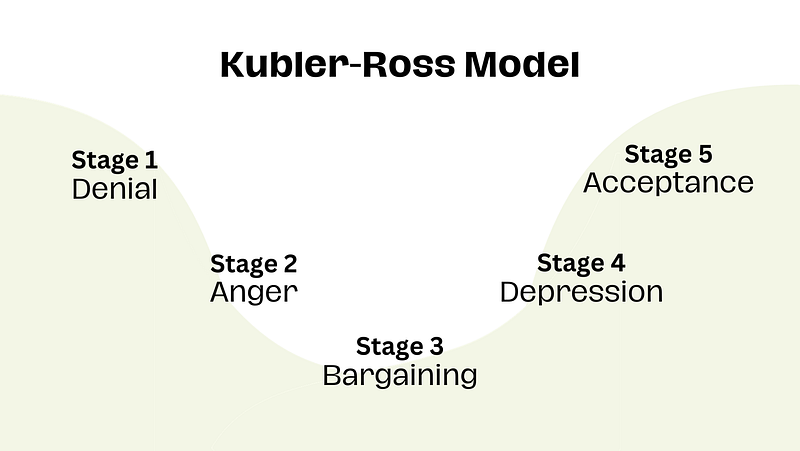
Image by Leo Mirage

Common Emotions Experienced During Grief

Grief is often accompanied by a wide range of emotions that can be overwhelming and intense. It’s important to understand that there is no right or wrong way to feel during the grieving process. So, if you feel you’re “too emotional” or “not emotional enough”, know that there is no such thing.

Some common emotions experienced during grief include sadness, anger, guilt, confusion, and even relief. We must give ourselves permission to feel and express these emotions in a healthy and non-judgmental way and acknowledge our feelings they are a part of us, this is how you truly move forward in a healthy way.

Photo by Diego San on Unsplash

Coping Mechanisms for Managing Grief

While grief can feel all-consuming, there are coping mechanisms that can help us manage our emotions and find solace amidst the pain. Engaging in activities that bring us joy and provide a sense of comfort can be instrumental in the healing process. This could include reading like right now or maybe even writing. Expressing myself in writing form is what I do every day, and that can really help manage your grief and stress.

Do what you love, find peace in what you enjoy doing.

Seeking Support During the Grieving Process

Grief can be an isolating experience, but it’s important to remember that support is available. Seeking support from friends, family, or support groups can provide a safe space to share our feelings and experiences.

“Courage is asking for help and strength to accept it.” — Brené Brown

Photo by Toa Heftiba on Unsplash

Self-Care Practices for Healing and Managing Grief

Taking care of ourselves during the grieving process is crucial for our overall well-being. Engaging in self-care practices can help us navigate difficult emotions and find moments of peace and healing.

Creating a daily routine that incorporates activities that bring us joy and comfort can also provide structure and stability during challenging times. I like to take sometime to destress whether that is exercising, or even meditation. Everyone have a preference, do what make you happy and hopefully we can find healing together.

Photo by Dan Burton on Unsplash

Professional Help for Managing Grief

Sometimes, the weight of grief can become too heavy to bear alone. Seeking professional help is not a sign of weakness but a courageous step towards healing. Grief counselors and therapists are trained to provide guidance, support, and coping strategies to help individuals navigate through the complexities of grief.

Personally, they helped offer me a non-judgmental space, I liked how willing they were to listen and how we were able to process my loss together, as an expert in the field of understanding the emotional works behind grief. With the help of my grief counselor, I found healthy ways to move forward.

Don’t hesitate to reach out for professional help if you feel overwhelmed or stuck in your grief journey.

Conclusion

Going through grief can be an emotional rollercoaster, but it’s important to manage your grief. Everyone is different and how long it takes to overcome grief will vary, so never be disheartened during the process of healing. Do what you love, ask for help, and seek professional aid. All these things can be a catalyst for a healthy way to move forward from grief.

You are not alone.

Thank you for reading; your interest and support mean the world to me. I appreciate your time and attention.

Mental Health
Life
Grief
Health
Illumination
Recommended from ReadMedium