Mother Earth Why Are You Crying? How Can We Help You?
Reciprocal nature prompt for 3rd week of March: Save the earth.
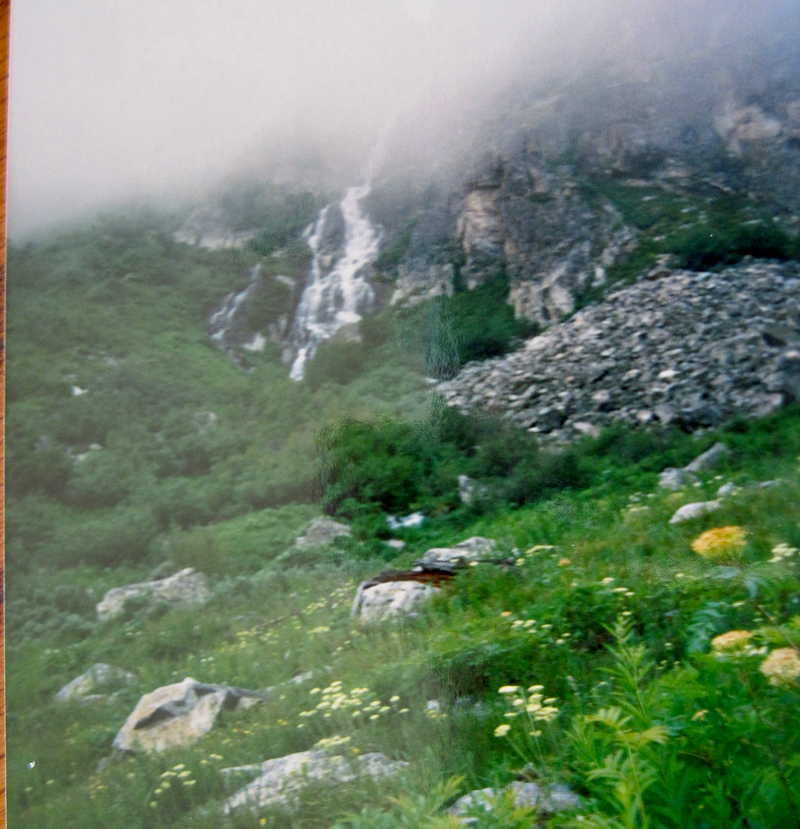
More people are becoming aware that everything on this earth has an energy signature. A living entity or spirit that resides within and gives us life. Some refer to it as our soul or life force. When we die the body is lifeless but our spirit leaves and goes elsewhere.
Those who have experienced death and have come back testify to this. Some have met a bright light as Christ. Others feel a supreme loving energy. Religions say that we go to heaven. Others are not so sure. Whatever your belief, most realize there is much we don’t understand about energy.
Go outside. Observe the ground you live on. Life exists all around us. See the grass, shrubs, flowers, trees, birds, squirrels, insects that Mother Earth supports. She asks nothing. She provides everything we need to live.
Nature is weeping
We have free will to take what we want. And many of us don’t think of the consequences for our actions. “The earth will always be here, will it not?” That is a disconnected attitude, a slap in the face to Mother Earth.
“All aboriginal peoples have honored the Spirit of Mother Earth. They express gratitude for the blessings She gives. They know in their hearts to take care of Nature. To protect Her from harm. To take only what they need. To preserve the rest for future generations.”
Why does it take a crisis before mankind listens? Nature is suffering, acting out like a terrible two’s toddler. Have floods, tornadoes, hurricanes, wildfires, drought, extinction of species got your attention yet? She is waiting for us with open arms, with the forgiveness of a loving mother.
What can we do to rectify our ignorance and greed?
I have always felt a kinship with Nature. Green thumb people understand the precious connection between man and all living things. Plants and animals sense our nurturing energy and respond accordingly. That is why they thrive under our loving hands.
This is how we manage our property sustainably
We resist lawn care companies that promise golf course yards. Notice the little flags warning pets and children to keep away. The men wear gloves and galoshes to protect themselves. The herbicide solution eradicates weeds. (-cide means to kill).
Alert — many of those “weeds” have medicinal properties.
We don’t apply Roundup. Do you know most European countries ban that product? We control weeds by hand tools or a natural solution of . . .
White distilled vinegar, 1 gallon
Dawn liquid soap, 1 Tbs
Epsom salt, 1 cup
Apply in sunlight for best effect. Be careful to avoid plants you do want.
We maintain a compost pile for an amendment throughout the growing season.
It consists of brown leaves, plant residue, kitchen refuse, and grass clippings. Once a week turn the contents and keep moist. It should be ready in 6 weeks.
Some communities have compost available for homeowners. I stay away from them. You don’t know if the recycled grass clippings have residual Roundup.
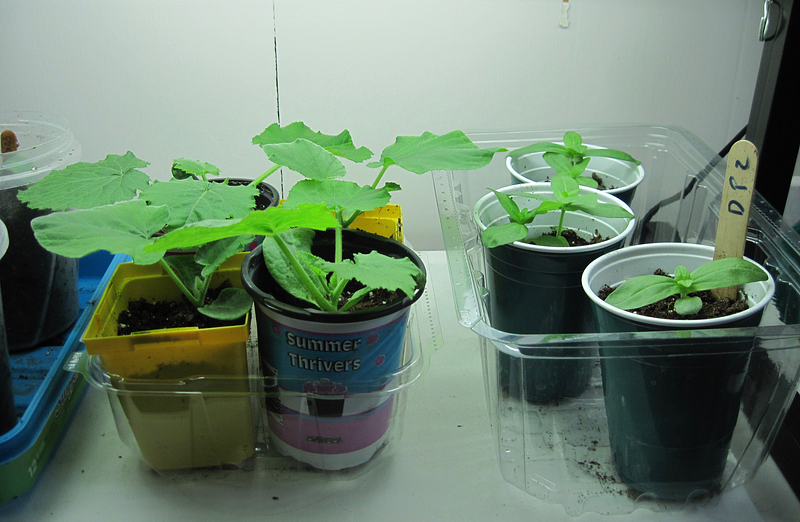
When planting our raised beds, we disturb the soil as little as possible. This is to preserve the earth worms and mycorrhizae underneath. I start tomato, lettuce, cucumber, squash, pepper & zucchini seeds under grow lights indoors.
I move the plants to permanent beds after the last frost date. Lettuce and spinach can tolerate lower temperatures. I put them out in April and cover if there is a frost.
We don’t use chemical fertilizers. Espoma and Dr. Earth specific products are organic and safe to use. A soil test shows us which elements might be deficient. Nitrogen, Potassium or Phosphorus are important for growth.
We squeeze Japanese beetles between our finger nails. Dropping them in a pail of soapy water will end the pests also. We apply Neem Oil to control spider mites or powdery mildew if present.
We water our plants close to the ground. Wetting the leaves can subject them to powdery mildew. A shredded straw mulch conserves moisture and reduces watering. Two rain barrels collect water from storms.
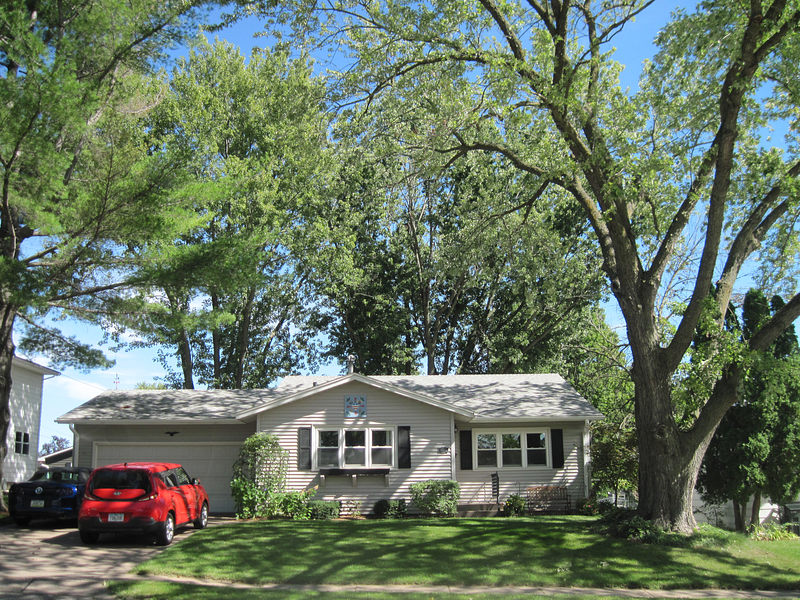
Two large maple trees, a couple of Japanese maples, and a huge white pine provide shifting shade as the sun moves. They add extra oxygen to the air we breathe. We try to maintain an organic yard so we’re not polluting our neighborhood.
We have pollinator plants to entice bees and butterflies. Several bird houses tempt our friends to raise families. A water fountain lures the birds and squirrels. Ivy and vinca ground covers encircle our trees. They discourage lawn mower damage.
I prune all shrubs after they flower so they can set buds for the next year. I deadhead all spent flowers to promote further blooming. Bird feeders offer sunflower, safflower, finch seed, butter bark, suet, and hummingbird solutions.
Hope you have benefitted from how we try to care for Mother Nature.
Thank you Sahil Patel for this prompt on taking care of our earth home.
Please read these interesting posts by other Medium writers.
Janin Lyndovsky reveals the emotional toll of living through drought.
Dr. Fatima Imam writes about the power and beauty of love. We could apply this to Nature also.


