Mother Earth vs Billionaires: When Manhattan was Manahatta
From Solidarity to Individualism: Tracking the Shift from the Lenape Natives to Modern-Day “Tycoons”

Lenape Natives, Manahatta, 1524
As the first rays of dawn filtered into the longhouse, Little Bear awoke to the familiar sounds of his family stirring. His baby sister cooed softly from the cradleboard on his mother’s back as she tended to the crackling fire, preparing the morning meal. The smoky scent of roasting fish made Little Bear’s stomach grumble hungrily.
After eating some of the freshly cooked fish with his parents and siblings, Little Bear embraced his mother tightly. As the heart of their family and tribe, she planted a tender kiss on his forehead and combed her fingers through his unruly hair, calming him. His father put a strong, reassuring hand on his shoulder, pride shining in his eyes. Today, at eight winters old, Little Bear would join the men on his first hunt, taking a step toward the honoured role he would one day assume within the matrilineal structure of Lenape society. His mother’s lineage defined his heritage and place among their people.
Little Bear picked up the carved oak bow his uncle had gifted him, feeling how perfectly it fit in his small hands. The curves were smooth from much patient whittling and handling. Little Bear hoped to make his family proud today by honouring this gift.
Stepping outside, the cool mist enveloped Little Bear’s bare skin like a spirit touch. The towering trees stood watching over him as he made his way silently through the forest, listening, seeking. His feet pressed softly on the blanket of fallen leaves, the earth welcoming him home. At his favourite oak, he paused to give its deeply grooved bark an affectionate pat, feeling the vibrant life force pulsing within.
Crouching low in the brush, Little Bear spotted a rabbit nibbling tender shoots. He took a breath, aimed true as he’d been shown, and let the arrow fly swiftly and silently. Though the rabbit cried out sharply in its last moments, Little Bear whispered thanks for its gift that would help sustain his people.
That night, after stomping and circling the fire alongside his cousins, shaking his turtle shell rattle, Little Bear sat close to one of the old sages, listening to the elders’ songs. He breathed in the comforting smoky scent of his father’s deerskin received as a gift. A scent that meant safety. Little Bear happily ate in a wooden ladle full of rabbit stew.
Nestled later in his sleeping mat under soft pelts that held the memories of generations, Little Bear missed the closeness of his family in the longhouse. But he would see their beloved faces again at sunrise. All would be well if they continued to care for one another. Little Bear knew the Great Spirit watched over them, its presence hovering like a gentle breeze as he drifted off to sleep.
At his young age, Little Bear already felt rooted deep within the ways of his people. Their songs, stories, and ceremonies bound them together through all hardship. By honouring the land and animals, living in balance, and sharing all they had, the Lenape people had thrived on this land for more untold centuries than the tallest tree could recount. Little Bears soaked in their wisdom like soil after rain. He was proud to walk in their footsteps and learn their ancient skills of fishing, foraging, hunting, and tracking. Come what may, like the winding river, the Lenape would adapt and flow on. Little Bear slept deeply, eagerly awaiting the day he took his rightful place among his resilient people.
The Smith Family, Manhattan, 2024
“Good morning Brandon,” chirped the AI, rousing Brandon from his silk sheets in his high-rise bedroom. He grunted indifferently at the disembodied voice, squinting against the glare of the morning sun on his floor-to-ceiling windows.
In the sleek smart kitchen, the housekeeper wordlessly placed a tall stack of fluffy pancakes before him. “Come on Maria, crack a smile,” Brandon sneered, but she kept her eyes downcast as she hurried away. He dumped lakes of syrup on the pancakes and quickly devoured the entire mound.
Wiping his mouth, Brandon grabbed his newest iPad from the counter, a reward from his father for making the honour roll last semester. Anything to keep him occupied and out of his father’s hair. He flopped onto the leather couch and scrolled through images of his wealthy prep school friends posing with their latest enviable extravagances — fast cars, yachts, exotic vacations, private jets. Brandon’s stomach boiled with jealousy and the desire to flaunt equally ostentatious symbols of wealth.
Just then his father entered the room, impeccably dressed for the office on a Saturday, his hard features set in a perpetual look of cold disapproval. “I better not hear of any more academic failures or foolish behaviour,” he threatened sternly. Brandon tensed but kept his eyes glued to the screen, offering no reply. He had learned not to speak unless instructed. His father tolerated no disobedience or weak emotions.
Alone again in the cavernous apartment, Brandon glanced at the algebra textbook left on the polished oak table, pages still unopened. Why waste time studying when his father’s money could simply buy his admission to any elite university? He quickly texted his friends from the crew team to meet downtown with the flashy new Ferrari his father had given him for his 16th birthday. It was time to have some real fun.
Speeding recklessly through the streets of Manhattan, weaving in and out of traffic, Brandon pushed the roaring sports car to dangerous velocities, relishing the adrenaline rush of pure, untouchable power and control. Other drivers honked and shouted angrily, but their petty concerns meant nothing to him. He would not be contained by the rules that bound ordinary people.
At an exclusive downtown nightclub, Brandon downed drinks and leered at the parade of provocatively dressed girls. One of his friends from the crew team laughed about paying them later for sexual favours, elbowing Brandon in the ribs. He forced an uneasy laugh, then quickly suppressed the faint stirrings of disgust. Emotions and morals were for the weak, he reminded himself. Neither mattered in his world.
Later in his luxurious king bed in the penthouse high above the glittering city, Brandon felt a hollow pang of loneliness that he couldn’t shake. But he brushed it off, rolling over and willing his mind to go blank. He would hide any vulnerability deep inside, as his father had taught. Love and human connection held no value, no currency in their prosperous but soulless realm. Material comforts could be bought easily enough. He needed no one. Brandon finally fell into a dreamless sleep, temporarily spared from confronting the emptiness of his extravagant life.
A matrilinear culture
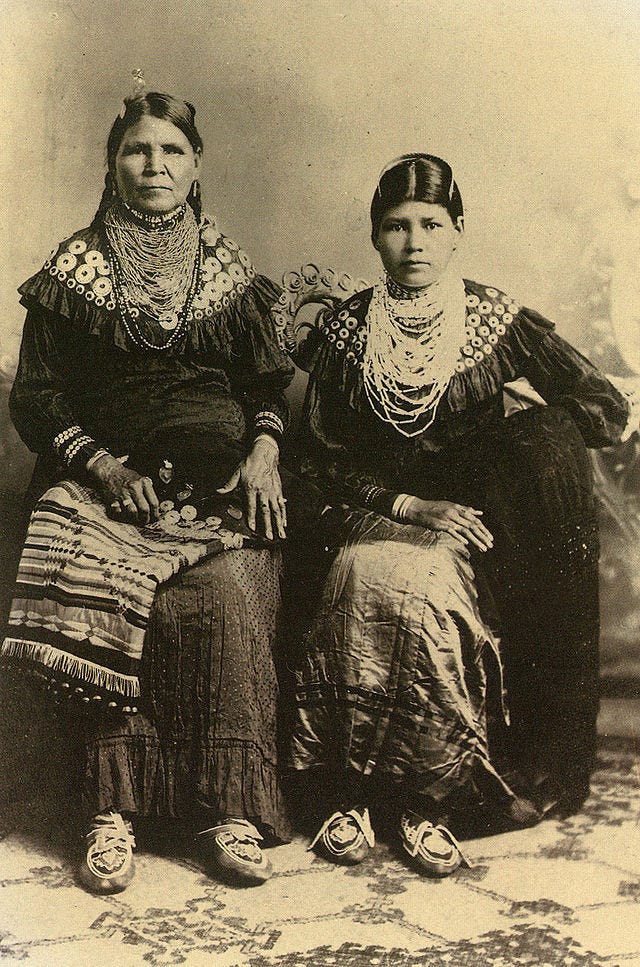
For over 10,000 years, the Lenape people called the island of Manhattan home. Following a matrilineal culture, they valued equality, cooperation and living harmoniously with the natural world. The Lenape respected the land and waters that sustained them as common resources to be protected for future generations.
“Lenape” means “the people” in their Algonquian language. It comes from the name they used for themselves. “Manahatta” means “hilly island” — it was the name the Lenape people gave to the island that Europeans later called Manhattan.
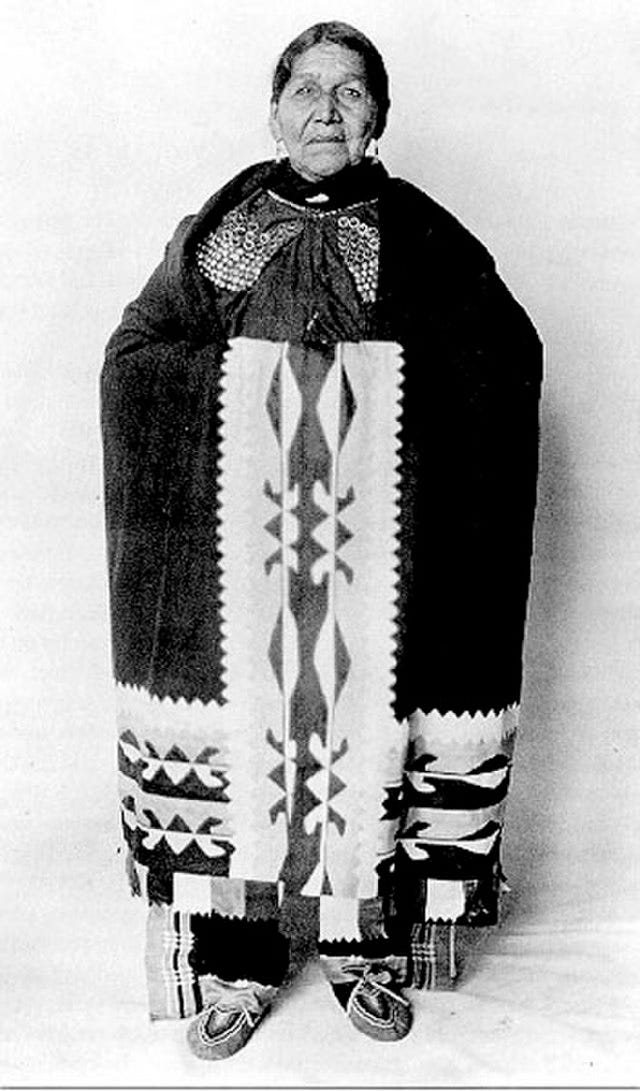
However, in the 17th century, European settlers began colonizing the area. Colonization brought immense hardship as the newcomers gradually displaced the Lenape from their ancestral lands. By the early 20th century, their population had been nearly wiped out due to violence and disease introduced by settlers. Though the Lenape way of life was lost, their stewardship of Manahatta for millennia left an indelible cultural and spiritual legacy.
Fast forward to today, and Manahatta has been reshaped into the bustling city of New York. Yet a similar story of inequality persists. A small group of billionaire elites now dominate the upper echelons of economic and political power. As heads of media, technology, retail, and fossil fuel conglomerates, they have amassed vast fortunes that starkly contrast the humble lives of the Lenape people.
Conclusions and Takeaways
While the Lenape viewed the Earth’s resources communally for sustainability, these tycoons are accused of pillaging lands and exacerbating social disparities in their relentless pursuit of profits. Their culture of cutthroat individualism and wealth accumulation threatens to undermine the social contracts holding society together. With growing public distrust in oligarchic systems, questions arise regarding whose priorities modern civilizations should serve.
The Lenape demonstrated an alternate path was possible. For millennia their matrilineal values of equality, cooperation, and environmental protection cultivated a harmonious community. In contrast, the billionaire class wields influence over policy-making through vast lobbying networks and airwaves. As inequality widens, many argue their privileged status comes at the expense of meeting basic human needs and planetary boundaries.
Evidence shows the extraction and consumption practices propelling billionaire fortunes also contribute greatly to climate change and ecosystem destruction. From deforestation to fossil fuel extraction, their businesses imperil future life on Earth. While the Lenape endured for aeons in balance with nature, modern civilization faces potential collapse within decades under this dominant paradigm.
As the roots of today’s inequities run deep, swift transformation will be no easy task. However, studying the Lenape offers insights into cultivating more just and sustainable societies. Their lessons of moderate resource use, interdependence, and valuing people over profits provide a blueprint drastically different from our current billionaire-run system. To avoid calamity, we must prioritize social and environmental well-being for all over short-term private gain. Only by learning from history’s mistakes and implementing alternative models can we preserve dignity for humanity and the natural world our descendants inherit.
Thanks for reading.
The stories are based on real events and characters but include fictionalized dialogue, details, and narrative elements. I have sought to capture the spirit and emotional truth of this historical period, using the freedom of storytelling to fill in gaps left by the sources and bring the protagonists closer to today’s readers. While fictionalizing some aspects, I have respected established historical facts, to preserve the authenticity of the events and figures involved. The fiction serves here to convey truths difficult to transmit through chronicle alone, in the hope of keeping the memory alive in an engaging yet truthful way.
The Author