
Most People Who Drive Are Lazy
Many of the vehicle trips we make come down to convenience, not necessity
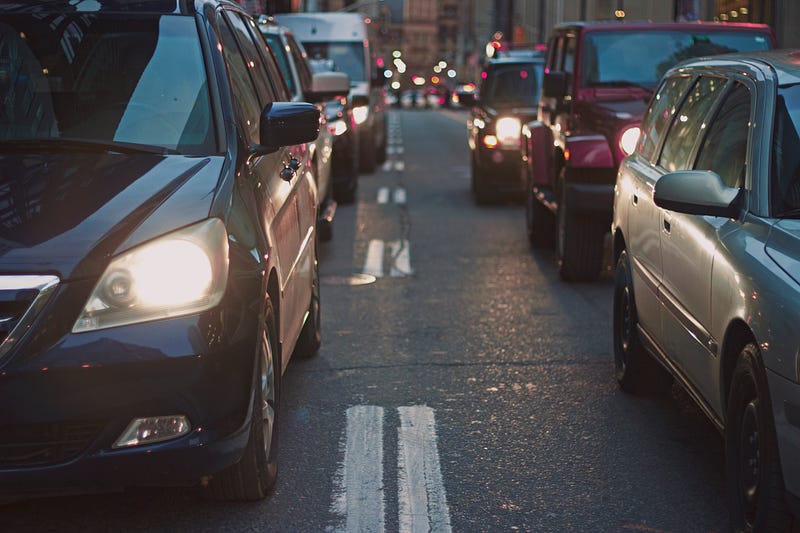
If you regularly use a vehicle to get around, perhaps this headline angered you enough to click further. But it’s not click-bait. I firmly believe the majority of people who drive are being lazy and selfish, and I’m going to explain why.
In the U.S., 228 million people are licensed to operate a passenger vehicle. If you compare that to the population of the country (329.5 million at the time of writing this), it means more than two-thirds drive. Even assuming only 50% of licensed people have access to a vehicle, that’s still a huge number of vehicles on the road at any given time.
Sure, there are people who have to travel outside their city to work (which is another issue for another time.) But most of the time, there are alternatives to driving. You can take a train or a bus. What’s that you said? There aren’t enough transit options where you live?
That’s because EVERYONE KEEPS DRIVING. There’s hardly any incentive to build more transit when people are willing to drive 40 miles in a private vehicle each morning. So governments just keep building highways instead, kind of like here in Ontario.
You continue to drive your vehicle everywhere — including down the street to the convenience store to get chips. Even when gas prices are soaring. Even when alarm bells are ringing about vehicle emissions worsening climate change. Even when there are thousands of vehicle-related injuries and deaths each year.
Driving is a normalized luxury
That’s because much of driving doesn’t come down to necessity — it comes down to your own comfort. You love your cozy, climate-controlled 7-seat SUV with on-board GPS, top-of-the-line speakers, cup holders, and seats that are comfier than a hotel’s. You get to control what’s on the radio. You get to yell at pedestrians for taking too long to cross the street.
None of the other options — transit, walking, even carpooling — are not convenient enough for you. You don’t want to have to exit your steel chariot. Carry a bag of groceries home on foot? Unheard of.
Sure, you could make the counter-argument that some people are not capable of walking long distances due to poor health or mobility issues that are of no fault of their own. Well, that may be the case, and I sympathize. There are a lot of factors impacting health, including genetics.
But I would also like to point out that walking (to a transit station) and biking are a great way to keep you in better physical shape, while also reducing stress. If you can do it, you should.
The benefits of NOT driving
Who benefits financially from driving? Not you, that’s for sure. The average cost of buying, maintaining, insuring and fuelling a vehicle is close to $13,000! That doesn’t include paying for parking, traffic/parking tickets, or any liability costs not covered by insurance.
In other words, driving is for the benefit of oil companies, car manufacturers, and governments who collect the tax dollars.
It has been shown that cities benefit as a whole from walkable neighbourhoods. Local businesses see more local shoppers, who would normally drive right past them on their morning commute. As you might’ve guessed, I walk or bike most places, and I have discovered great businesses and eateries off the main strip, as well as public art, and other cool things that I wouldn’t have seen from a moving vehicle.
Walkable cities also have lower rates of diabetes, one of the most prevalent diseases in the U.S. That’s not including the mental health benefits of getting around on foot or bike – stress can also lead to health complications.
I’m not on any high horse, I promise. I drove most of my adult life — and still do. However, we ditched our tired Volvo in 2019 when it could no longer be economically revived. My partner and I now use a car share for visiting out-of-town family or the occasional grocery shop — but I often walk to the store and take a taxi home if the load is heavy.
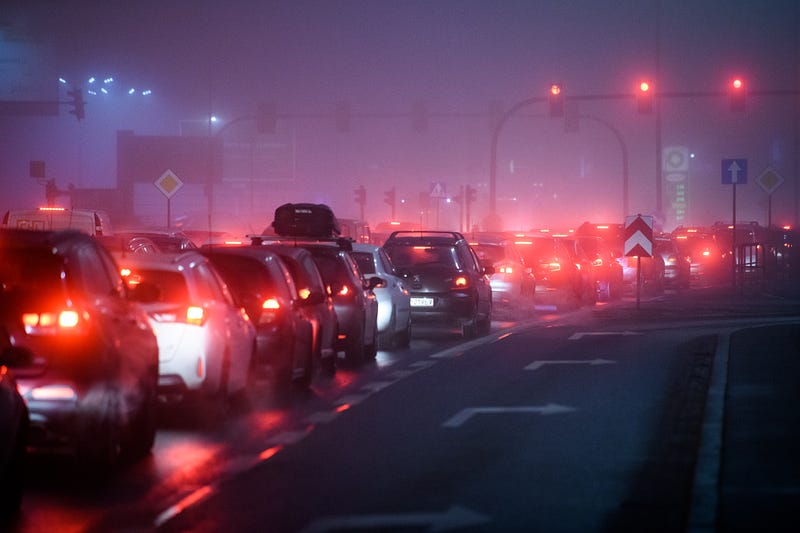
I’m not saying we need to cut out cars altogether, or that you should walk to your job several miles away. I’m not that hopeful or naive. Besides, I think cars are too ingrained in our society to do away with. Almost our entire infrastructure is built for cars.
At the same time, walking can be treacherous in icy conditions, and downright dangerous on any day with all of those cars rushing around — so I can see why people would rather be in their oversized tanks.
I am saying that walking, biking, or taking a bus could easily replace most of the trips we take by car. It’s cheaper to do so in the long run, better for our fitness, and gentler on the environment.
Sure, there are still times we would like a car in the driveway, when we’re tired or don’t feel up to taking public transit. But for the most part, it hasn’t been a huge deal, and there are car share vehicles within a 20-minute walk.
If you’re used to driving everywhere, perhaps slowly wean yourself off it. Consider each trip: For example, do you really need to drive your toddler to daycare 1,000 feet away? Or would it be nice to take them there by wagon, admiring the flowers together as you absorb your daily dose of Vitamin D, and stretch your legs?
I’ll leave that up to you.