avatarHamza Shafiq

Free AI web copilot to create summaries, insights and extended knowledge, download it at here

2676

Abstract

ilotons of TNT, the bomb instantly killed an estimated 70,000–80,000 people and caused immense destruction. The devastation in Hiroshima and the subsequent bombing of Nagasaki with the Fat Man bomb led to Japan’s surrender and the end of World War II.</p><h1 id="c555">Fat Man (United States, 1945)</h1><figure id="36fa"><img src="https://cdn-images-1.readmedium.com/v2/resize:fit:800/0*iKL0BRcMANBzgr9i"><figcaption>Photo by <a href="https://unsplash.com/@setyaki?utm_source=medium&amp;utm_medium=referral">Irham Setyaki</a> on <a href="https://unsplash.com?utm_source=medium&amp;utm_medium=referral">Unsplash</a></figcaption></figure><p id="0863">The Fat Man bomb was the second atomic bomb deployed by the United States during World War II. Dropped on Nagasaki japan on August 9, 1945, it yielded approximately 21 kilotons.</p><p id="91d2">The destruction and loss of life in Nagasaki mirrored that of Hiroshima, and the combined impact of both bombings led Japan to surrender unconditionally on August 15, 1945. Using these bombs raised ethical and moral questions regarding nuclear weapons in warfare. B53 (United States, 1962)</p><p id="041b">Developed during the Cold War, the B53 was the largest and most powerful thermonuclear bomb in the U.S. arsenal. With a yield of around nine megatons, it was intended as a strategic weapon to be used in the event of an all-out war with the Soviet Union. The B53 represented the height of nuclear arms escalation during the Cold War, but as tensions eased, the bomb was decommissioned in 2010.</p><h1 id="3cbc">Test 219 (Soviet Union, 1962)</h1><figure id="bfa2"><img src="https://cdn-images-1.readmedium.com/v2/resize:fit:800/0*s0QNBpY5ZHyImrIN.jpg"><figcaption><a href="https://www.google.com/url?sa=i&amp;url=https%3A%2F%2Fcommons.wikimedia.org%2Fwiki%2FFile%3ATest_Abort_B1046_%2528219%2529_%252849430178427%2529.jpg&amp;psig=AOvVaw22njPBNKph9JzNRA1zt7w3&amp;ust=1696509984301000&amp;source=images&amp;cd=vfe&amp;opi=89978449&amp;ved=0CBEQjRxqFwoTCIju86m23IEDFQAAAAAdAAAAABAE">Wikimedia commons</a></figcaption></figure><p id="0025">Test 219 was a high-yield nuclear test conducted by the Soviet Union in September 1962. Part of the Soviet response during the Cuban Missile Crisis, this test demonstrated their capability to deploy powerful weapons.</p><p id="7fb0">The crisis, a tense standoff between the U.S. and the Soviet Union over nuclear weapons in Cuba, had the world on the brink of nuclear war. Diplomacy prevailed, and the crisis ended, leading to both nations agreeing to ease nuclear tensions.</p><p id="3855">We should remember that the history of the largest bombs ever detonated in the world underscores the

Options

immense destructive potential of nuclear weapons. These bombings have shaped history, leading to fear of their use and calls for disarmament.</p><p id="8266">The lessons learned from these devastating events continue to serve as a reminder of the urgent need for peace, diplomacy, and global cooperation to prevent the use of such devastating weapons in the future..</p><blockquote id="13c9"><p><b><i>I am Hamza Shafiq. I write about facts, poems, history, and entertainment <a href="https://medium.com/@Prowriter123/subscribe">follow and subscribe so you can get the best experience of writing</a></i></b></p></blockquote><p id="21ba"><a href="https://medium.com/@Prowriter123">My mind — Medium</a></p><div id="f7d5" class="link-block"> <a href="https://readmedium.com/meghan-markles-political-entry-will-she-leave-her-status-7efbcbed3dd1"> <div> <div> <h2>Meghan Markle’s Political Entry: Will She Leave Her Status?</h2> <div><h3>From actress to royal and then again actress</h3></div> <div><p>medium.com</p></div> </div> <div> <div style="background-image: url(https://miro.readmedium.com/v2/resize:fit:320/0*y7TzIoYI_X-tqcuO.jpg)"></div> </div> </div> </a> </div><div id="8295" class="link-block"> <a href="https://readmedium.com/japanese-policies-and-laws-that-lead-to-war-crimes-during-the-second-world-war-329ffbbd66a1"> <div> <div> <h2>Japanese Policies and Laws That Lead To War Crimes During The Second World War</h2> <div><h3>Everyone contributed equally find out how</h3></div> <div><p>medium.com</p></div> </div> <div> <div style="background-image: url(https://miro.readmedium.com/v2/resize:fit:320/0*Yso2mTPYzo8V7Vnd)"></div> </div> </div> </a> </div><div id="0f84" class="link-block"> <a href="https://readmedium.com/the-art-of-using-feedback-to-strengthen-your-writing-4216ea796f41"> <div> <div> <h2>The Art Of Using Feedback To Strengthen Your Writing</h2> <div><h3>Tips and Strategies to Enhance Your Writing Without Compromising Quality</h3></div> <div><p>medium.com</p></div> </div> <div> <div style="background-image: url(https://miro.readmedium.com/v2/resize:fit:320/0*7rJRf2KYdXNw7zve)"></div> </div> </div> </a> </div></article></body>

Most Lethal Bombs Ever Detonated In World History

That is why we need peace
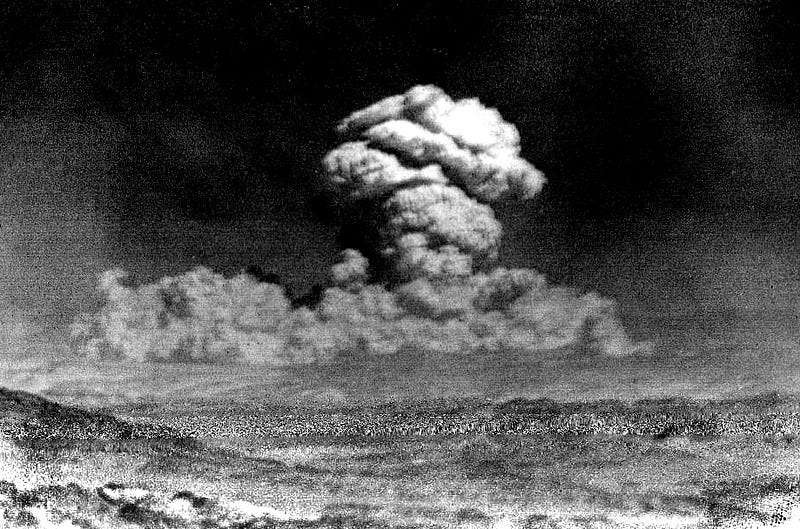
Wikimedia commons

Throughout history, humankind has developed and wielded weapons of immense destruction, with bombs being among the most potent.

Tsar Bomba (Soviet Union, 1961)

Ahh The Tsar Bomba, the biggest and baddest bomb developed by the Soviet Union during the height of the Cold War, was the most powerful nuclear bomb ever detonated.

Designed as a show of strength and deterrence against the United States, this bomb had an estimated yield of 50 megatons, equivalent to 3,800 Hiroshima bombs. When this mega bomb was detonated on October 30, 1961, over Novaya Zemlya, the blast produced a huge mushroom cloud that reached an astonishing 40 miles into the sky. The Tsar Bomba marked a turning point in the nuclear arms race and heightened global tensions.

Castle Bravo (United States, 1954)

Castle Bravo was the code name for a hydrogen bomb test conducted by the US in the Marshall Islands. The test aimed to explore the power of thermonuclear weapons but resulted in unexpected consequences.

With a predicted yield of 6 megatons, the bomb surpassed expectations and exploded with a yield of 15 — making it the largest U.S. nuclear test. Tragically, the detonation caused widespread radioactive fallout, contaminating nearby tolls indigenous populations. The Castle Bravo test underscored the devastating effects of nuclear weapons and spurred calls for disarmament.

Little Boy (United States, 1945)
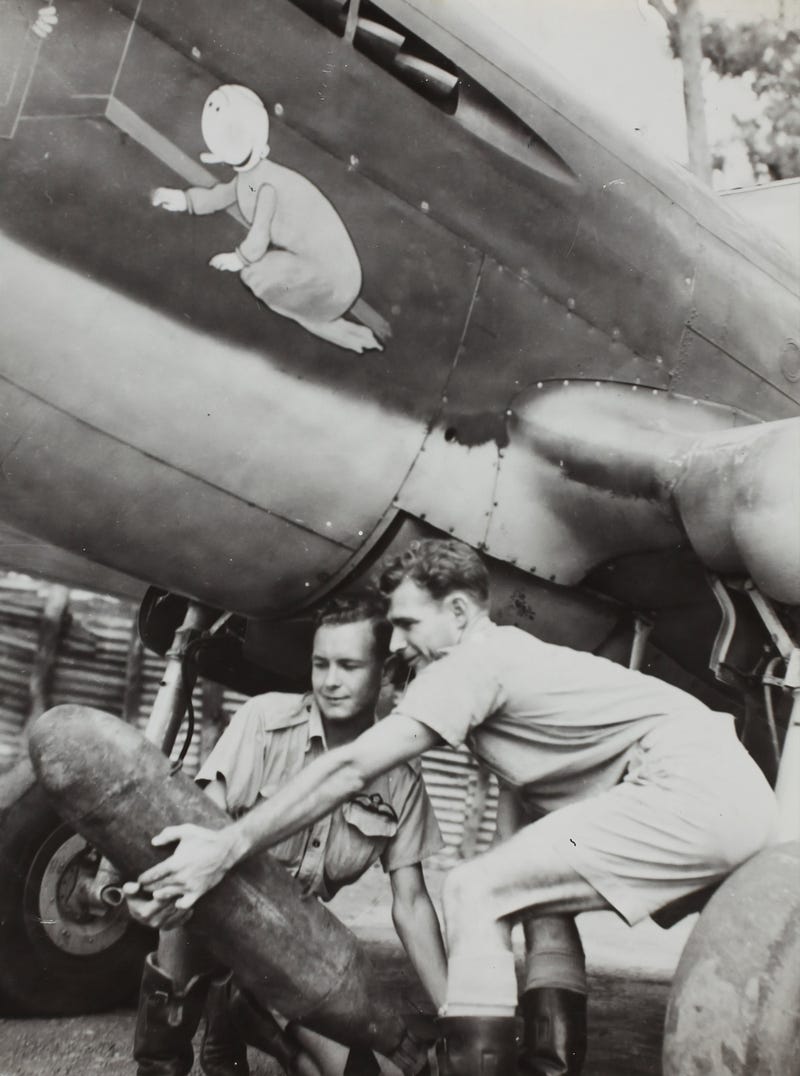
Photo by Museums Victoria on Unsplash

Little Boy was the first atomic bomb ever used in warfare. Developed by the United States during World War II, it was dropped on the Japanese city of Hiroshima on August 6, 1945.

With a yield compare to 15 kilotons of TNT, the bomb instantly killed an estimated 70,000–80,000 people and caused immense destruction. The devastation in Hiroshima and the subsequent bombing of Nagasaki with the Fat Man bomb led to Japan’s surrender and the end of World War II.

Fat Man (United States, 1945)
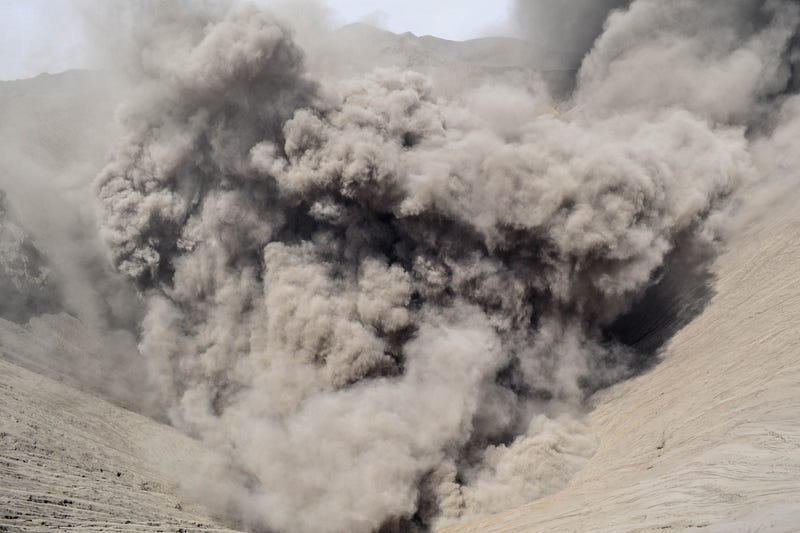
Photo by Irham Setyaki on Unsplash

The Fat Man bomb was the second atomic bomb deployed by the United States during World War II. Dropped on Nagasaki japan on August 9, 1945, it yielded approximately 21 kilotons.

The destruction and loss of life in Nagasaki mirrored that of Hiroshima, and the combined impact of both bombings led Japan to surrender unconditionally on August 15, 1945. Using these bombs raised ethical and moral questions regarding nuclear weapons in warfare. B53 (United States, 1962)

Developed during the Cold War, the B53 was the largest and most powerful thermonuclear bomb in the U.S. arsenal. With a yield of around nine megatons, it was intended as a strategic weapon to be used in the event of an all-out war with the Soviet Union. The B53 represented the height of nuclear arms escalation during the Cold War, but as tensions eased, the bomb was decommissioned in 2010.

Test 219 (Soviet Union, 1962)
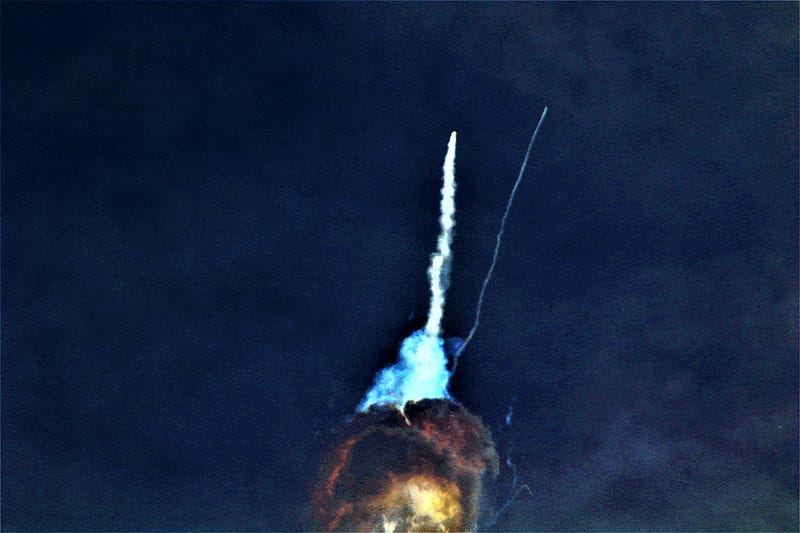
Wikimedia commons

Test 219 was a high-yield nuclear test conducted by the Soviet Union in September 1962. Part of the Soviet response during the Cuban Missile Crisis, this test demonstrated their capability to deploy powerful weapons.

The crisis, a tense standoff between the U.S. and the Soviet Union over nuclear weapons in Cuba, had the world on the brink of nuclear war. Diplomacy prevailed, and the crisis ended, leading to both nations agreeing to ease nuclear tensions.

We should remember that the history of the largest bombs ever detonated in the world underscores the immense destructive potential of nuclear weapons. These bombings have shaped history, leading to fear of their use and calls for disarmament.

The lessons learned from these devastating events continue to serve as a reminder of the urgent need for peace, diplomacy, and global cooperation to prevent the use of such devastating weapons in the future..

I am Hamza Shafiq. I write about facts, poems, history, and entertainment follow and subscribe so you can get the best experience of writing

My mind — Medium

War
Crime
Life
Life Lessons
History
Recommended from ReadMedium