avatarJerileewei

Free AI web copilot to create summaries, insights and extended knowledge, download it at here

4310

Abstract

red of — they make up theories and stories as to why their loved ones are gone. Different groups of people had different names for malaria. It was also called <i>Ague, Bilious fever, and Country fever</i>.</p><p id="c516">Colonists strongly believed malaria was caused by the methane gasses that could be seen arising from any nearby swamp, often referred to as “<i>vapors</i>” or “<i>miasmas</i>’’ arising from the putrefaction in vegetation in the swamps from rotting plants and dead animals.</p><p id="d092">Others believed it came from bad air that attacked you somehow mysteriously in your sleep. Many African slaves and Acadians in Louisiana, had myths tying folk swamp monsters such as the <i>feux-folet</i> of Cajun folklore being somehow connected to this disease.</p><figure id="af02"><img src="https://cdn-images-1.readmedium.com/v2/resize:fit:800/0*uHIUvjoxk192Fw-v"><figcaption>Still waters such as in swampland breed mosquitoes. — Photo by <a href="https://unsplash.com/@markusspiske?utm_source=medium&amp;utm_medium=referral">Markus Spiske</a> on <a href="https://unsplash.com?utm_source=medium&amp;utm_medium=referral">Unsplash</a></figcaption></figure><p id="c64f">Additionally, these deaths continued well into the early 1900's — after the colonies became states. Quackery, medical ignorance, poor hygiene, barbaric medical remedies such as blistering, phlebotomy, and purging all prolonged the malaria disease cycle.</p><p id="9c5e">However, there was an obscure fact that is often ignored when it comes to malaria — the role of the types of crops that early colonists and rural America chose to grow and how they contributed to the problem.</p><figure id="b759"><img src="https://cdn-images-1.readmedium.com/v2/resize:fit:800/0*8FyYu_JbUgQVlZMs"><figcaption>Nothing I hate more than getting a mosquito bite since I am allergic. — Photo by <a href="https://unsplash.com/@ekamelev?utm_source=medium&amp;utm_medium=referral">Егор Камелев</a> on <a href="https://unsplash.com?utm_source=medium&amp;utm_medium=referral">Unsplash</a></figcaption></figure><p id="8a63">In other words agriculture, plus temperate climate, plus natural terrain, all played a huge role in the spread of malaria. The female mosquito may have carried the disease, but we invited her as a house guest when our early settlers decided to grow rice, sugar cane, and indigo.</p><p id="d70a">The spread of malaria was quickened because of rice and indigo cultivation. In order for both crops to be widely grown for commercial value, the necessary irrigation and pools of stagnant shallow water were important in making such places a virtual mosquito growing nursery.</p><p id="33a0">Furthermore, the African slaves who worked the fields became the most likely first victims of malaria bearing mosquitoes. In turn, a mosquito biting a person with the malaria parasite spread the disease to rich and poor. The blood thirsty mosquito does not discriminate.</p><figure id="9c32"><img src="https://cdn-images-1.readmedium.com/v2/resize:fit:800/0*Zz9xrUr7KGK02QGS"><figcaption>It’s hard to imagine the number of deaths over time from malaria. — Photo by <a href="https://unsplash.com/@switch_dtp_fotografie?utm_source=medium&amp;utm_medium=referral">Lucas van Oort</a> on <a href="https://unsplash.com?utm_source=medium&amp;utm_medium=referral">Unsplash</a></figcaption></figure><p id="acf4">Breeding sites for the female Anopheles mosquito were also naturally prolific between thunder storms and annual hurricanes. Drainage, especially around both agriculture and towns, was another huge contributor to the problem.</p><p id="4b0d">Mosquitoes were so thick that they could blacken an arm in sheer numbers and were documented in the deaths of killing cattle by suffocation of the nostrils. Our Cajun Mama’s grandfather Emile Navarre, would for his entire life talk about wiping his arms from shoulder to finger tips to reveal his blood stained arms from all the bites.</p><p id="2628">While malaria by itself, actually doesn’t kill the vast number of people who get it, malaria does weaken its victim’s resistance to other diseases they wouldn’t have normally died from.</p><p id="fe62">Side effects after having had malaria are: anemia, fatigue, proneness to infections, pneumonia and a greatly weakened immune system. Surviving ma

Options

laria usually meant it came back again and again — and never fully recovering. (Much like my long Covid experience if you ask me).</p><p id="9e41">Malaria also preys on the defenseless, infants, small children, and the elderly were all groups have high mortality rates. Women who contracted malaria during pregnancy were prone to miscarriages, premature labor, and death.</p><p id="82db">It was the leading cause of death for Colonial Southern women. More people would die in the Americas from it than all of the deaths from wars fought within our borders, especially during the War of 1812 and the Civil War.</p><figure id="711b"><img src="https://cdn-images-1.readmedium.com/v2/resize:fit:800/0*vT4uvzP5tTyHiGRt"><figcaption>Cinchona bark and leaves — by <a href="https://unsplash.com/@gingermias?utm_source=medium&amp;utm_medium=referral">S L</a> on <a href="https://unsplash.com?utm_source=medium&amp;utm_medium=referral">Unsplash</a></figcaption></figure><p id="1aeb" type="7">Quinine As A Treatment And Prevention</p><p id="7f9c">Soon, it was discovered that <a href="https://en.wikipedia.org/wiki/Cinchona">cinchona bark</a>, and its <a href="https://en.wikipedia.org/wiki/Quinine">quinine</a>, was an effective cure, but the people of those days still lacked the ability to understand the true cause and carrier of the disease.</p><p id="a7f2">Other remedies and ineffective healing attempts, were St. John’s Wort, mustard plasters, wormwood, and foxglove. Prevention methods of the day were the burning of tobacco to clean the air, mud baths, bloodletting, and mercury pills — all equally ineffective at best.</p><p id="7a74">Even netting around beds for those lucky enough to own them, was not connected in the minds of people to stopping malaria — only a way of keeping biting and itchy insects off them while they slept.</p><p id="9cba">Quinine is an alkaloid that is extracted from the bark of the cinchona tree. It kills the malaria parasite in the blood. Quinine is still used today to treat malaria, but it is less commonly used than in the past. Newer, more effective, and less toxic antimalarial drugs are now the norm.</p><blockquote id="76f5"><p>There are more people dying of malaria than any specific cancer.” — Bill Gates</p></blockquote><p id="3680">For me, mosquito borne illnesses, are on my health radar these days. Unlike back when I was young and unaware of them when our military was trying to prevent us from getting malaria. Today, I worry about family members in particular, both in Florida where we have a resurgence of mosquito borne illnesses and in places in Asia and Indonesia where I have an adult son, a nephew, nieces, grandchildren and others.</p><blockquote id="529b"><p>“It’s past time to unleash the power of prevention, because malaria and other mosquito borne illnesses won’t wait for tomorrow. Act now, and be aware of one bite that could change and endanger your life even today!” — Jerilee Wei© 2023</p></blockquote><div id="fdee" class="link-block"> <a href="https://jerileeweiauthor.medium.com/subscribe"> <div> <div> <h2>Get an email whenever Jerileewei publishes.</h2> <div><h3>Get an email whenever Jerileewei publishes. By signing up, you will create a Medium account if you don't already have…</h3></div> <div><p>jerileeweiauthor.medium.com</p></div> </div> <div> <div style="background-image: url(https://miro.readmedium.com/v2/resize:fit:320/0*YGx2w0lZxN8uaCk3)"></div> </div> </div> </a> </div><div id="bcf5" class="link-block"> <a href="https://jerileeweiauthor.medium.com/a-swampy-adventure-mosquitoes-mud-and-cajun-memories-b4cf0ed43ba"> <div> <div> <h2>Swampy Adventures: Mosquitoes, Mud, and Cajun Memories</h2> <div><h3>Crashing A Bayou Lafourche Swamp Slumber Party</h3></div> <div><p>jerileeweiauthor.medium.com</p></div> </div> <div> <div style="background-image: url(https://miro.readmedium.com/v2/resize:fit:320/1*[email protected])"></div> </div> </div> </a> </div></article></body>

Mosquitoes vs. Humanity: 30 Million Years War

Beware Of Bloodsuckers
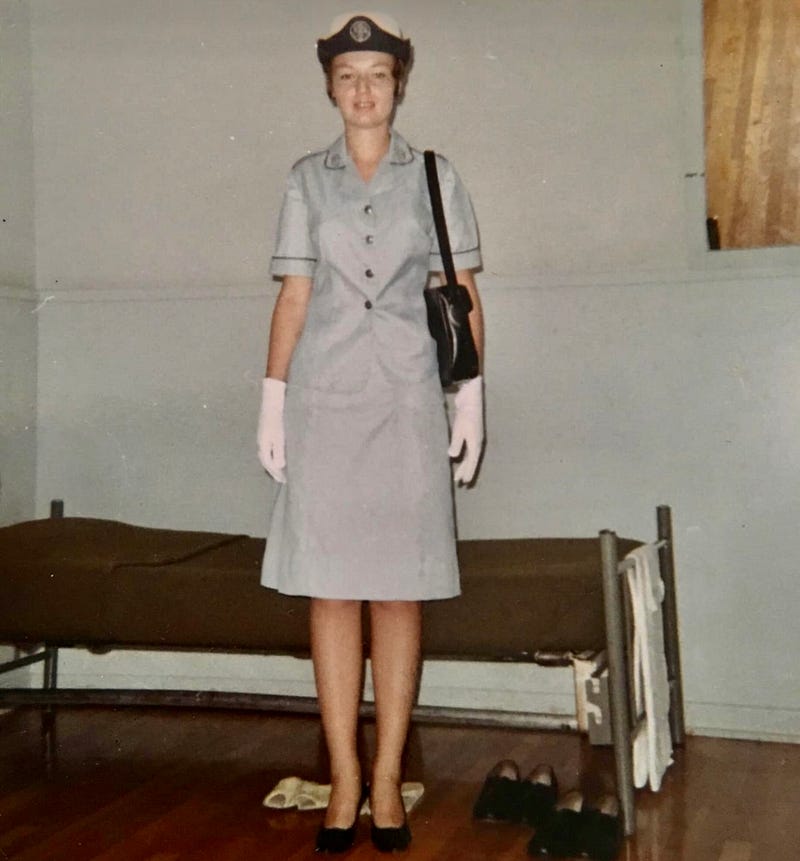
Me right before we were marching in stockings, gloves, in 100 degrees in Texas. — Photo: Jerilee Wei

My basic training was a baptism by fire, or should I say heat wave. I was so busy sweating my buns off and trying to keep up with the drill instructors, I didn’t have time to question my sanity for joining the Air Force in 1967.

Keep in mind I’d lived in the Anza Borrego Desert, yet, when we first arrived in Texas, it was so hot I thought I’d been dropped on the sun. I immediately knew I had no talent for marching when I heard my name being called out to fall back to the rear for being out of step.

I was so out of step, I looked like I was dancing the Cajun 2-step jitterbug. But I didn’t care. I was just trying to survive. Why was I dancing? Mosquitoes were feasting on us and we couldn’t swat them while marching.

One day, we were marching in the heat when one of the drill instructors stopped us and said, “Alright, maggots, I’m going to give you a chance to cool off.

We all cheered. But then she said, “You’re going to do it by rolling around in the mud.

We groaned. But we did it. We rolled around in the mud like pigs. And it was glorious. More importantly it was the only day we weren’t being bit by mosquitoes.
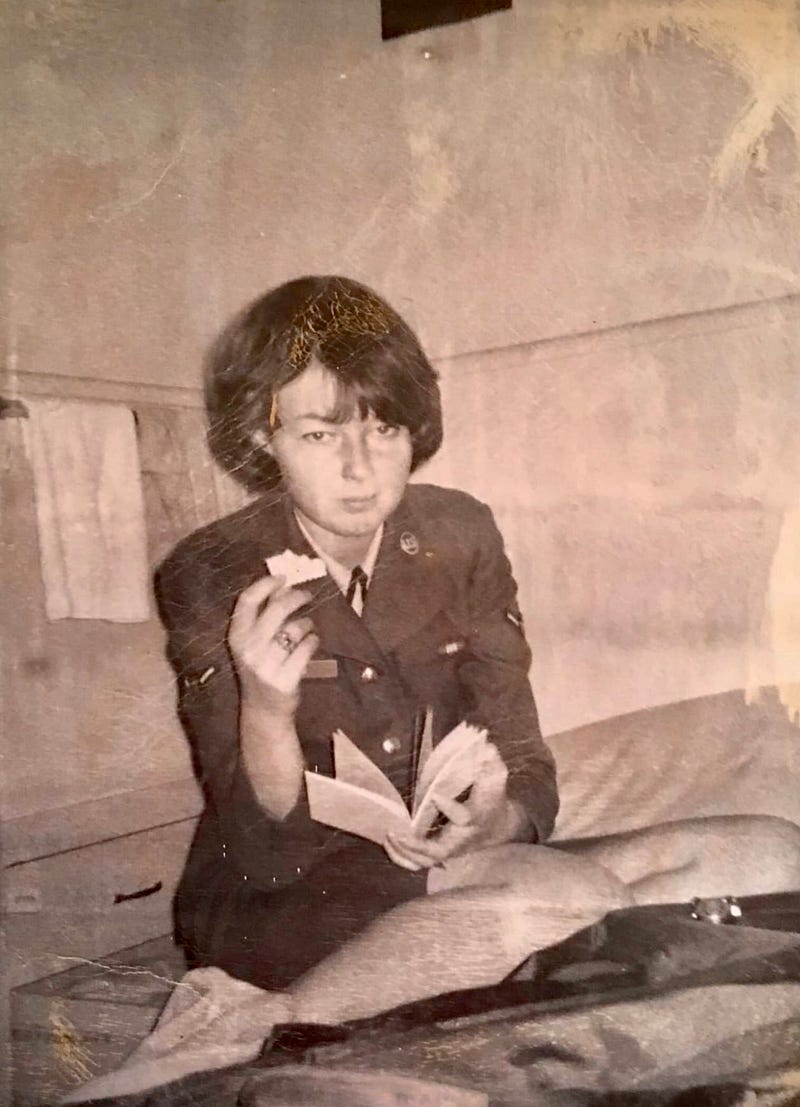
Eating a snack and reading were my only fun in those days. — Photo: Jerilee Wei
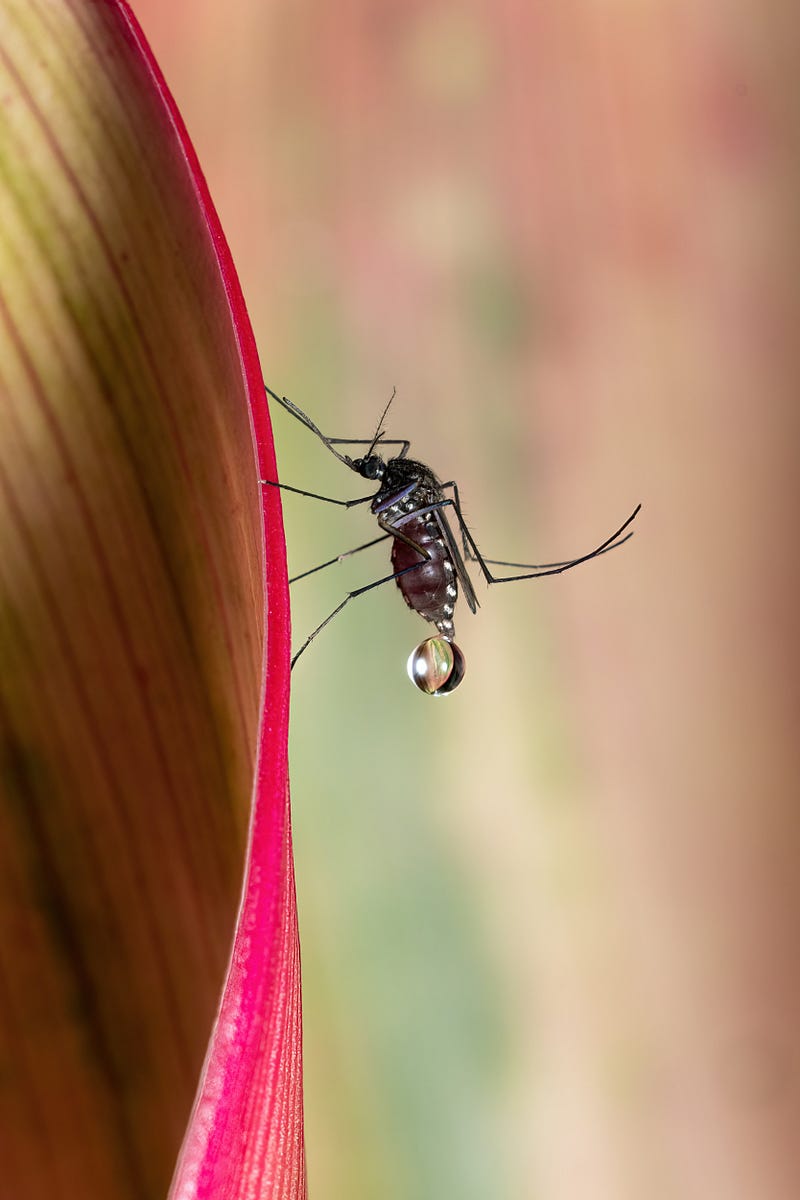
Photo by David Clode on Unsplash

The Plague Of Malaria

Evidence of mosquito born malaria has been proven to be over 30 millions years old from the graves of its victims. To understand how malaria and the mosquitoes have changed history, is a trip down recent memory lanes to Colonial America that will yield a good bit of understanding.

The first Europeans setting foot in the Americas, the would-be colonists and explorers quickly became profoundly aware of their own mortality in the face of such diseases as yellow fever, smallpox, and malaria. Thanks to a compatible climate, those living in more Southern and temperate locations, such as Georgia, Louisiana, and the Carolinas would soon face an overwhelming reality exemplified by this quote:

“They who want to die quickly, go to Carolina.” — French philosopher Michel de Montaigne in his book Essays.

Along them during the late 18th and 19th centuries in South Carolina, especially around Charleston, had such a high mortality that less than 20% reached their 20th birthday. Most died did so because of malaria, or because of being in a weakened state after a bout of malaria.

It’s almost unimaginable that so many parents would be burying their children so young. Experiencing such a loss alters your life forever. Saddest of all it’s still a reality today.

One historical example in the mid-1700's were the 50 young men sent by England’s Society for the Propagation of Gospel in Foreign Parts to South Carolina over 50 years. Only 43% survived. Many resigned within five years due to malaria. Lack of knowledge about malaria’s cause and treatment made the South a place to die rather than live.

“More die of the practitioner than of the natural course of the disease.” — Dr. William Douglass

The cause of malaria was unknown. When people don’t know something they are scared of — they make up theories and stories as to why their loved ones are gone. Different groups of people had different names for malaria. It was also called Ague, Bilious fever, and Country fever.

Colonists strongly believed malaria was caused by the methane gasses that could be seen arising from any nearby swamp, often referred to as “vapors” or “miasmas’’ arising from the putrefaction in vegetation in the swamps from rotting plants and dead animals.

Others believed it came from bad air that attacked you somehow mysteriously in your sleep. Many African slaves and Acadians in Louisiana, had myths tying folk swamp monsters such as the feux-folet of Cajun folklore being somehow connected to this disease.
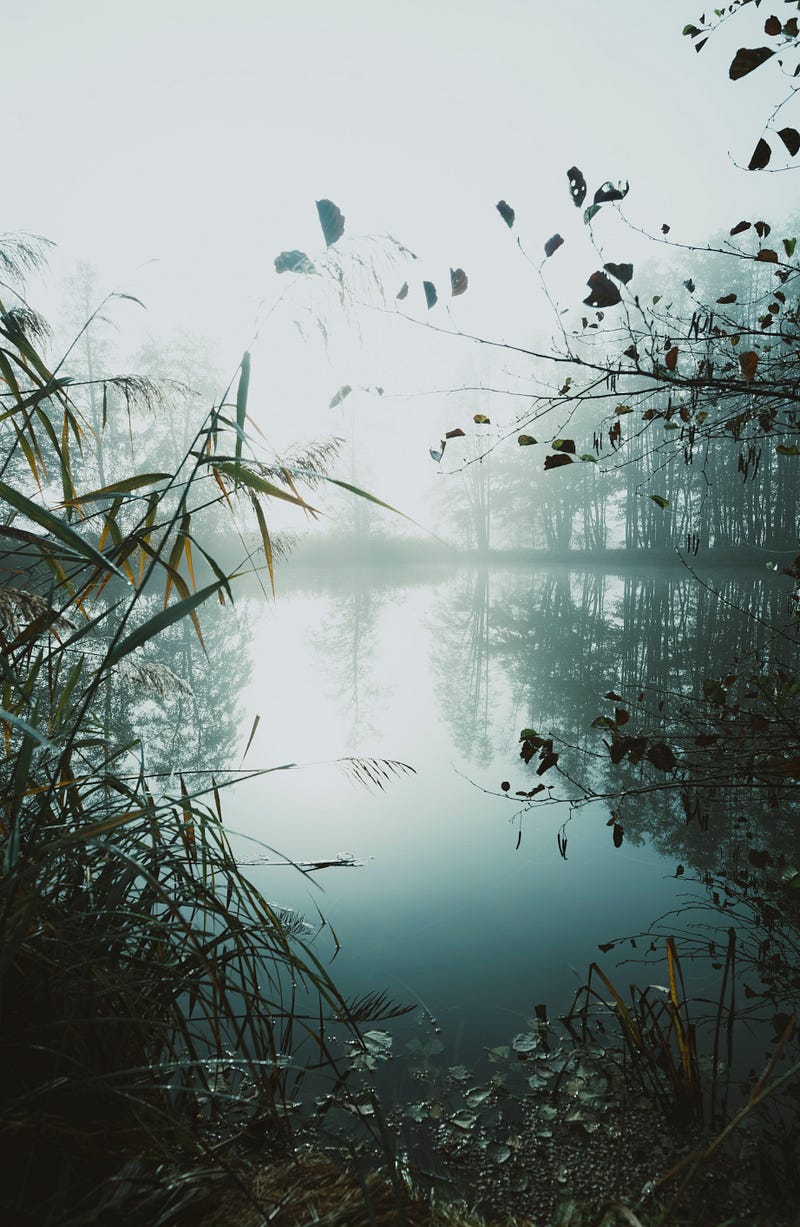
Still waters such as in swampland breed mosquitoes. — Photo by Markus Spiske on Unsplash

Additionally, these deaths continued well into the early 1900's — after the colonies became states. Quackery, medical ignorance, poor hygiene, barbaric medical remedies such as blistering, phlebotomy, and purging all prolonged the malaria disease cycle.

However, there was an obscure fact that is often ignored when it comes to malaria — the role of the types of crops that early colonists and rural America chose to grow and how they contributed to the problem.
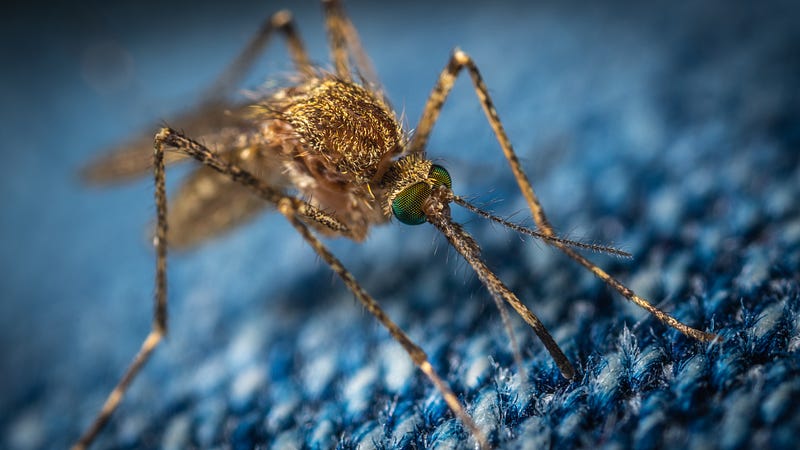
Nothing I hate more than getting a mosquito bite since I am allergic. — Photo by Егор Камелев on Unsplash

In other words agriculture, plus temperate climate, plus natural terrain, all played a huge role in the spread of malaria. The female mosquito may have carried the disease, but we invited her as a house guest when our early settlers decided to grow rice, sugar cane, and indigo.

The spread of malaria was quickened because of rice and indigo cultivation. In order for both crops to be widely grown for commercial value, the necessary irrigation and pools of stagnant shallow water were important in making such places a virtual mosquito growing nursery.

Furthermore, the African slaves who worked the fields became the most likely first victims of malaria bearing mosquitoes. In turn, a mosquito biting a person with the malaria parasite spread the disease to rich and poor. The blood thirsty mosquito does not discriminate.
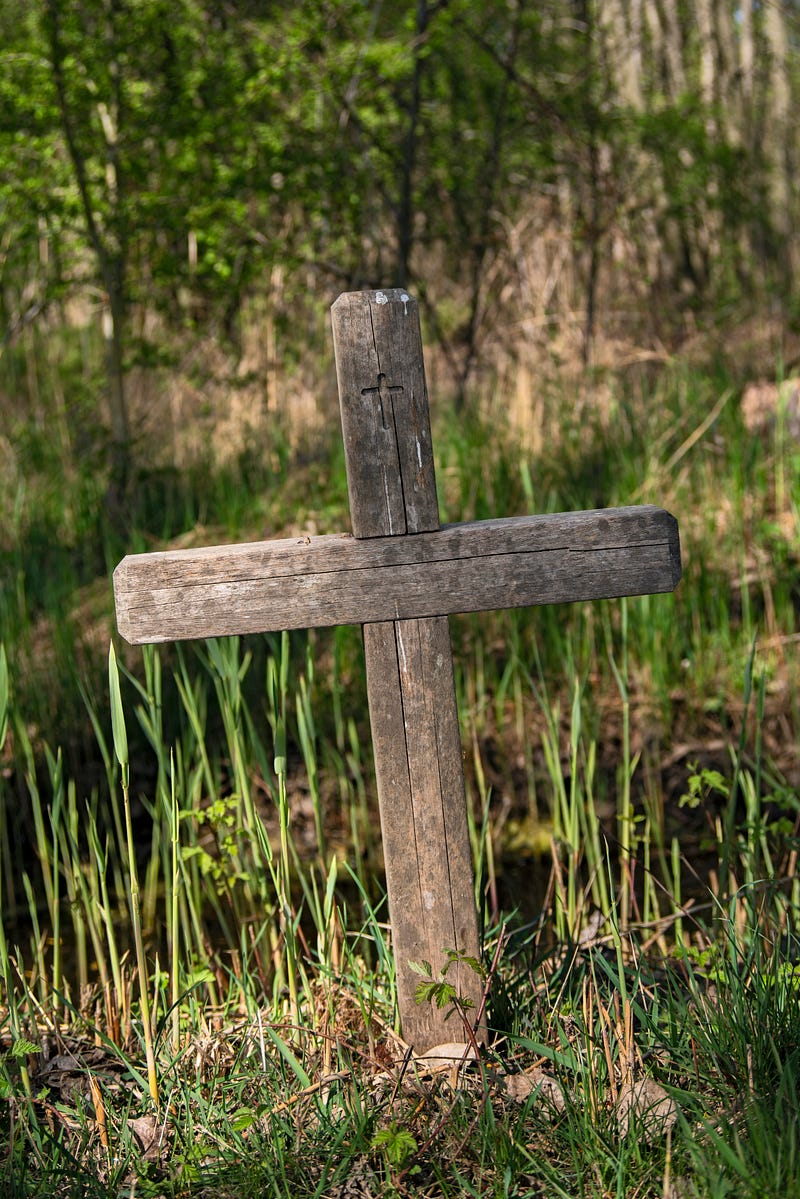
It’s hard to imagine the number of deaths over time from malaria. — Photo by Lucas van Oort on Unsplash

Breeding sites for the female Anopheles mosquito were also naturally prolific between thunder storms and annual hurricanes. Drainage, especially around both agriculture and towns, was another huge contributor to the problem.

Mosquitoes were so thick that they could blacken an arm in sheer numbers and were documented in the deaths of killing cattle by suffocation of the nostrils. Our Cajun Mama’s grandfather Emile Navarre, would for his entire life talk about wiping his arms from shoulder to finger tips to reveal his blood stained arms from all the bites.

While malaria by itself, actually doesn’t kill the vast number of people who get it, malaria does weaken its victim’s resistance to other diseases they wouldn’t have normally died from.

Side effects after having had malaria are: anemia, fatigue, proneness to infections, pneumonia and a greatly weakened immune system. Surviving malaria usually meant it came back again and again — and never fully recovering. (Much like my long Covid experience if you ask me).

Malaria also preys on the defenseless, infants, small children, and the elderly were all groups have high mortality rates. Women who contracted malaria during pregnancy were prone to miscarriages, premature labor, and death.

It was the leading cause of death for Colonial Southern women. More people would die in the Americas from it than all of the deaths from wars fought within our borders, especially during the War of 1812 and the Civil War.
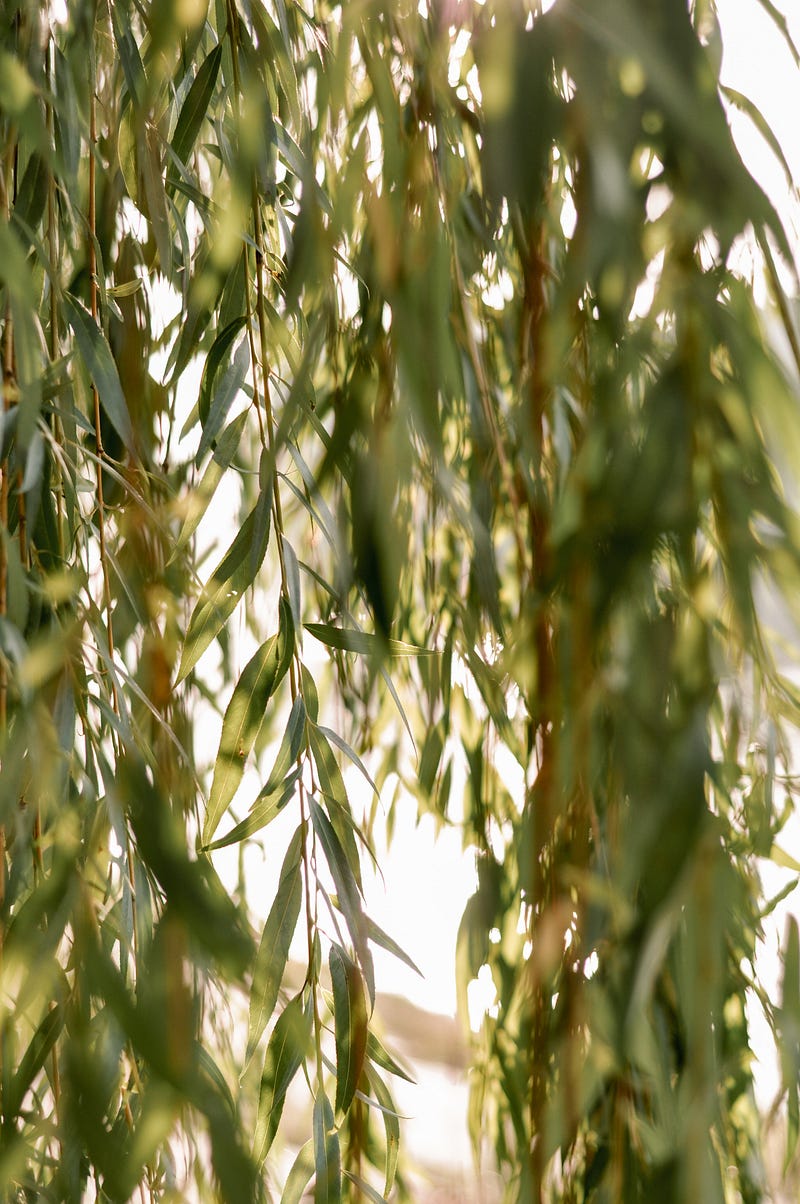
Cinchona bark and leaves — by S L on Unsplash

Quinine As A Treatment And Prevention

Soon, it was discovered that cinchona bark, and its quinine, was an effective cure, but the people of those days still lacked the ability to understand the true cause and carrier of the disease.

Other remedies and ineffective healing attempts, were St. John’s Wort, mustard plasters, wormwood, and foxglove. Prevention methods of the day were the burning of tobacco to clean the air, mud baths, bloodletting, and mercury pills — all equally ineffective at best.

Even netting around beds for those lucky enough to own them, was not connected in the minds of people to stopping malaria — only a way of keeping biting and itchy insects off them while they slept.

Quinine is an alkaloid that is extracted from the bark of the cinchona tree. It kills the malaria parasite in the blood. Quinine is still used today to treat malaria, but it is less commonly used than in the past. Newer, more effective, and less toxic antimalarial drugs are now the norm.

There are more people dying of malaria than any specific cancer.” — Bill Gates

For me, mosquito borne illnesses, are on my health radar these days. Unlike back when I was young and unaware of them when our military was trying to prevent us from getting malaria. Today, I worry about family members in particular, both in Florida where we have a resurgence of mosquito borne illnesses and in places in Asia and Indonesia where I have an adult son, a nephew, nieces, grandchildren and others.

“It’s past time to unleash the power of prevention, because malaria and other mosquito borne illnesses won’t wait for tomorrow. Act now, and be aware of one bite that could change and endanger your life even today!” — Jerilee Wei© 2023

Malaria
History
Prevention
Short Story
Mosquito
Recommended from ReadMedium