
Moscow’s Arms Baron: Beretta’s Unseen Hand in Arming Russia!
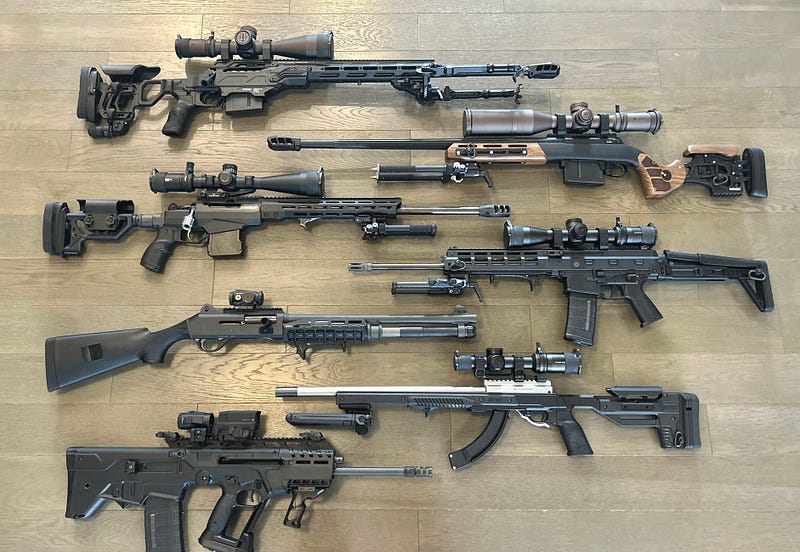
The intricate ballet of global politics and military strategy, often hidden from the public eye, reveals its complexity in the shadows of the ongoing conflict between Ukraine and Russia. The issue at hand is not just about territorial disputes or ideological differences; it also encompasses the sophisticated channels through which arms and ammunition traverse international borders, defying embargoes and sanctions. At the center of this web lies the relationship between the Russian Federation and the venerable Italian firearms manufacturer, Beretta. Despite stringent sanctions and an official embargo by the Italian government, Russia has managed to procure a significant arsenal of weapons, including those produced by Beretta, through a network that is as complex as it is clandestine.
Investigative reports have illuminated the mechanisms through which Russian forces have accessed firearms and ammunition from the West, notably from Beretta, a brand synonymous with quality and precision in the firearms industry. The revelation that the OrelExpo 2023 military forum in Russia displayed rifles from countries including the United States, the United Kingdom, and the European Union, despite the comprehensive sanctions in place, raises questions about the efficacy of international regulatory measures.
Since the onset of the wider invasion of Ukraine in February 2022, Russia has acquired 6,254 small arms and 1,107,600 rounds of ammunition, a substantial portion of which traces back to Beretta’s manufacturing plants across Italy, Finland, Sweden, and Germany. This flow of arms, ostensibly for hunting and sporting purposes, includes models that have seen service in various military and special forces units worldwide, underlining the dual-use nature of these weapons.
A quick heads-up: Medium’s been tweaking its algorithms and it’s getting trickier for my stories to land in your feed. So, if you enjoy my work, please make some noise! Hit that clap button, light up the highlights, or drop a comment. Every interaction helps keep the stories flowing. Thanks for your support!
The strategic implications of the arms trade extend far beyond the immediate transactional nature of buying and selling military-grade weaponry. They touch upon the very essence of national security, sovereignty, and the balance of power in a geopolitically charged world. The ability of a nation to procure arms despite international sanctions not only demonstrates the resilience of its procurement networks but also underscores the complexity of global alliances and enmities. This resilience is not merely a testament to the ingenuity of logistics but also a reflection of the geopolitical maneuvers that underpin the international arms trade. Nations, corporations, and intermediaries navigate a labyrinth of legal, political, and ethical considerations, balancing the pursuit of strategic interests with the imperatives of international law and diplomacy.
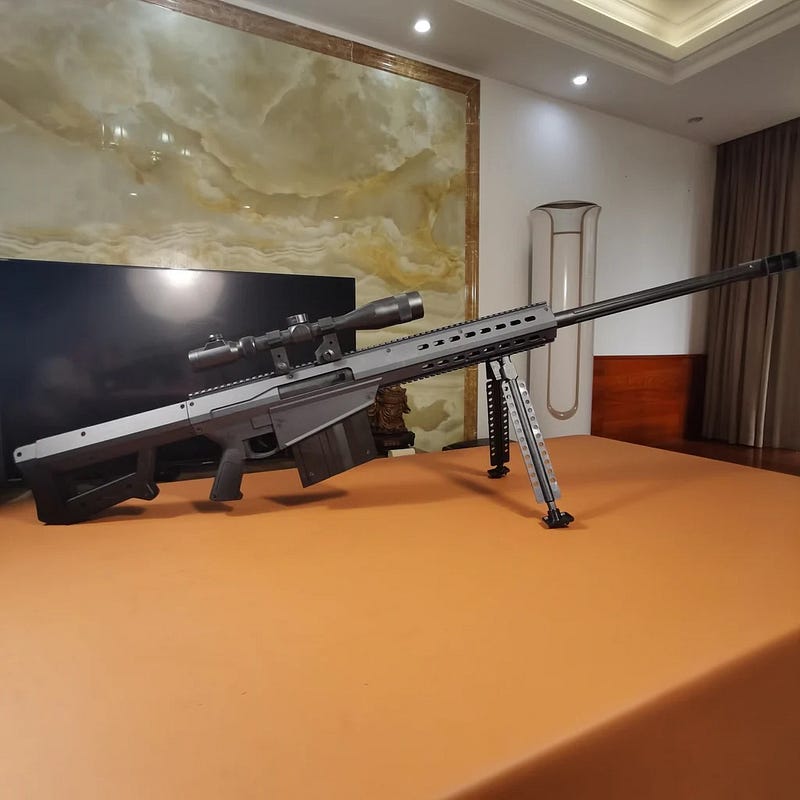
At the core of these transactions lies a global network that is as vast as it is opaque. This network, comprising manufacturers, dealers, intermediaries, and end-users, operates within a framework that often blurs the lines between legal and illicit trade. The flow of arms facilitated by this network does not merely serve the tactical needs of armed forces; it also plays a pivotal role in shaping the strategic postures of states. The acquisition of arms by Russia through the sophisticated circumvention of sanctions is a case in point. It reveals not only the ingenuity of those seeking to bypass international restrictions but also the challenges facing the global community in its efforts to regulate the arms trade. This complex web of transactions and the strategic motivations behind them highlight the intricate interplay between national interests and global peace and security.
Central to the narrative of these acquisitions is Mikhail Khubutia, known as the “Moscow arms baron,” whose influence has been pivotal in orchestrating the re-importation of weapons through third countries, sidestepping sanctions. The intricate dance of ownership and control between Beretta Industrie S.P.A. and Russkiy Orel, the latter once under Khubutia’s stewardship, reveals a layer of complexity in how arms trading networks operate within and around the edges of legality.
The partnership, culminating in Beretta Holding S.A. becoming the official distributor of Beretta products in Russia, underscores the challenges in enforcing international sanctions. The facade of compliance is maintained through a network of distributors and re-importation schemes that exploit the gaps in international trade laws and sanctions.
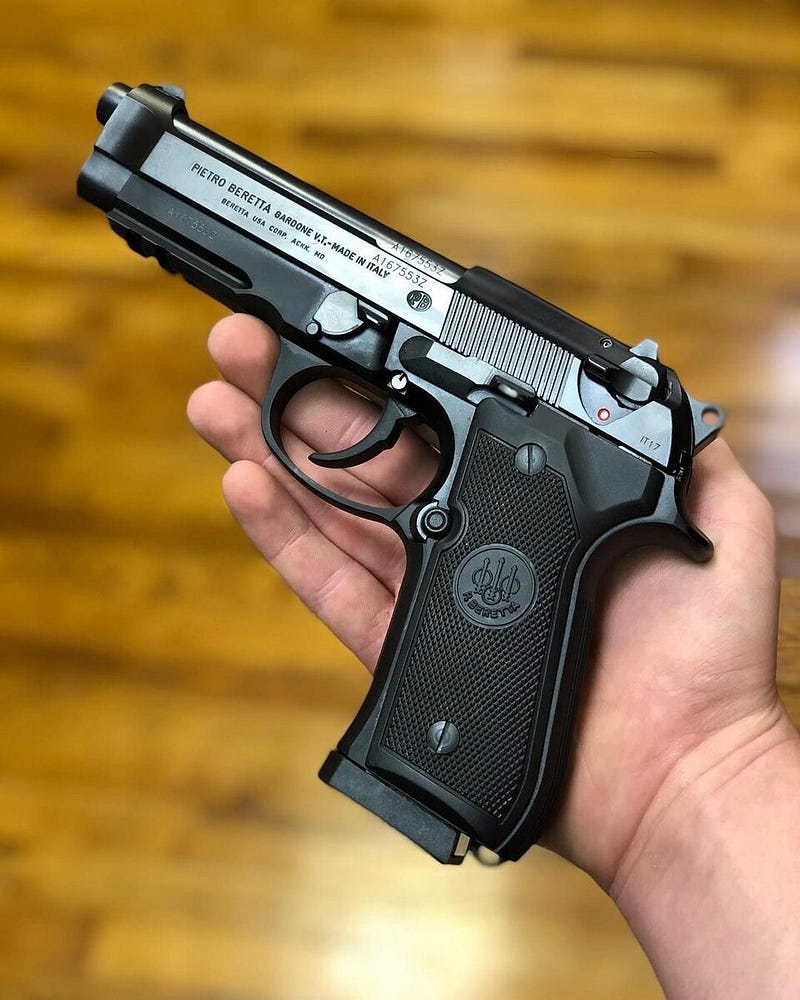
The continuation of arms supplies to Russia, facilitated by intermediaries in countries like Turkey, which have not joined the embargo against Russia, exemplifies the global nature of the arms trade. The distribution of weapons, including Beretta 92FS semi-automatic pistols and Sako TRG-42 sniper rifles, to Russian forces, although not directly implicated in the conflict in Ukraine, signifies a broader issue of accountability and regulation in the international arms market.
As the investigation unfolds, the silence from Beretta in response to inquiries about their involvement highlights a pervasive issue of transparency and ethics in the arms industry. The challenge lies not only in the legal and logistical mechanisms that allow for such transactions but also in the moral implications of fueling conflicts through the provision of military-grade equipment.
The case of Beretta’s arms sales to Russia, amidst an international embargo, serves as a stark reminder of the complexities and challenges in regulating the global arms trade. It calls for a concerted effort by the international community to close the loopholes that enable such transactions to flourish, ensuring that sanctions serve their intended purpose of preventing conflict escalation and promoting peace.
As we delve deeper into the intricacies of international arms trading and its implications for global security, it becomes imperative to foster a dialogue that transcends national interests and seeks a comprehensive approach to peace and stability. The need for transparency, accountability, and ethical conduct in the arms industry has never been more critical.
This investigation opens a window into the multifaceted dynamics of the international arms trade, inviting readers to reflect on the broader implications for peace, security, and ethical governance. Your thoughts, insights, and engagement are crucial in driving forward a conversation that could shape the future of international arms regulation and conflict resolution. Share your views, spread awareness, and contribute to a dialogue that champions accountability and peace.