
Morals matter
Where is Musk’s moral compass?
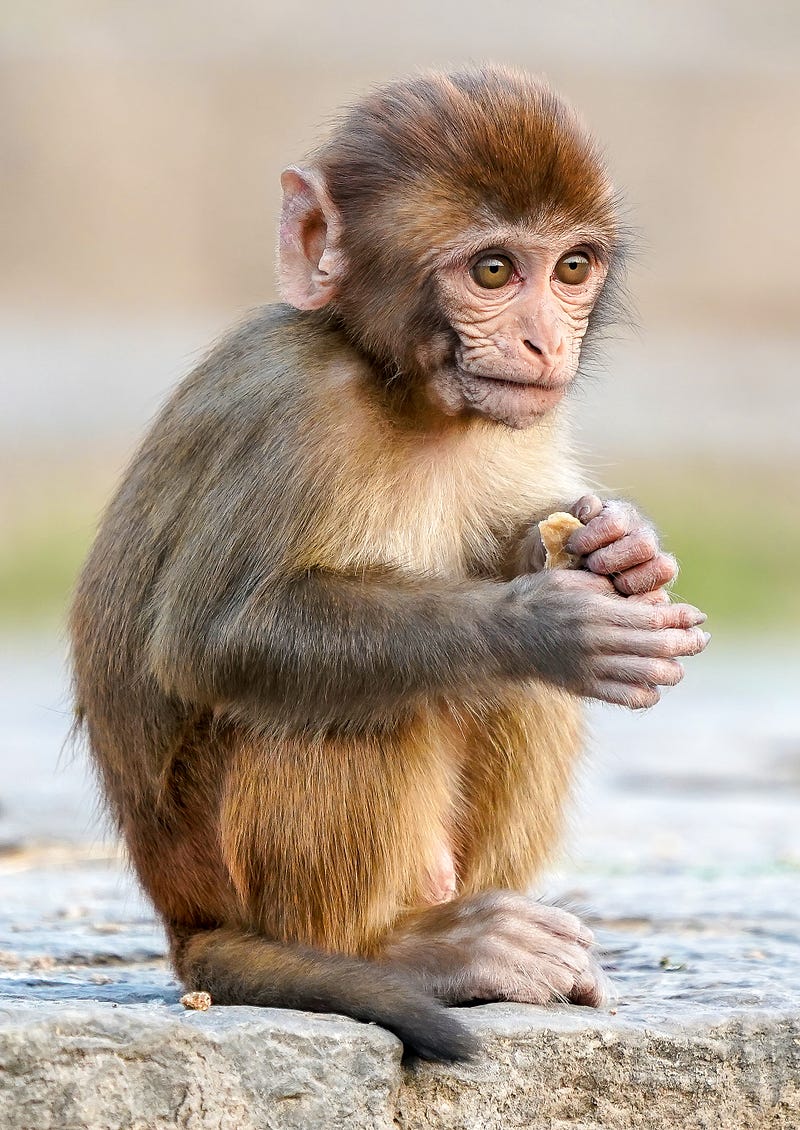
Two stories about companies run by the world’s richest man caught my attention this week. The first news item revealed that around 1500 animals have been killed during experiments at Musk’s Neuralink company, pigs, sheep and monkeys. The experiments involve putting electrical implants in their brains to test the technology. Staff have complained that animal testing is being rushed and is causing needless suffering and deaths, with tests having to be repeated due to lack of time to prepare properly. It is clear that the experiments can cause the animals considerable pain, and many may query why such experimentation is permitted in the first place.
While the technology may have the potential to help paralysed people walk again, or help with neurological diseases, it is clear that Musk has much wider ambitions about linking human brains up to computers, which has enormous ethical implications. There has been no democratic involvement of the rest of society in reaching a decision about whether assisting humanity to evolve into cyborgs is right or desirable, and such monumental change should not just be allowed to happen by default.
The second news item involved the cleaners sacked at Musk’s Twitter headquarters. After being told that their jobs were under threat, they formed a union to protest, and were swiftly dismissed, only weeks before Christmas. The cleaners say they feel treated like garbage. Cleaning can be a miserable and demeaning job, and as members of society cleaners are rarely thanked or recognised. Cleaners are among the worst paid employees, and often have minimal conditions of employment, pension provision, sickness pay, or protection from exploitation. For someone with such extraordinary wealth to treat them in this way is unforgivable. They were apparently told that in any case, their work would soon be replaced by robots. Is this the direction we want for society?
This follows the recent dismissal of hundreds of Twitter staff who were involved in content moderation at the company, leading to concerns about hate speech and disinformation. Musk is an advocate of unfettered free speech, which may sound like a good thing in principle, until you consider the impact of hate speech on vulnerable people and minority groups, and the dangers of misinformation like the bizarre “Q Anon” conspiracy, or the stolen election nonsense, spreading among the gullible.
It is said that one can judge a man by the company he keeps, and the old saying is obviously intended to mean that one can assess someone’s character by the type of people they have as friends. However a slightly different interpretation of the saying could be that you can tell a lot about someone in the business world by the way they run their company, or companies in Musk’s case, given the multitude of enterprises he is involved in.
It sometimes seems as though Musk, insulated from much of the rest of humanity by his extraordinary wealth, feels as though normal moral standards need not apply to him, and that anything goes. He has revealed that he is neurodivergent, and as such his success is remarkable and in many ways to be celebrated. He may think differently to the majority of us, but certain moral standards apply to us all. He is clearly a very clever man, who is also very good at making money. However that does not make him above criticism, or exempt from moral standards that apply to all humanity. By all means celebrate his achievements in bringing electric vehicles to the masses, and promoting renewable energy, but that does not make him beyond reproach.
It is down to us as consumers, to send a message that morals do matter, and we expect more from those in power. Whether that is leaving Twitter or supporting the striking cleaners, that is down to us, but it is important to send a message all the same. Boundaries of human behaviour exist for a reason and they apply to all of us, even those who are very wealthy.


