Summary
"Moon Petals" is a poem that captures the essence of nature's nocturnal beauty and the intricate relationships within an ecosystem under the moon's influence.
Abstract
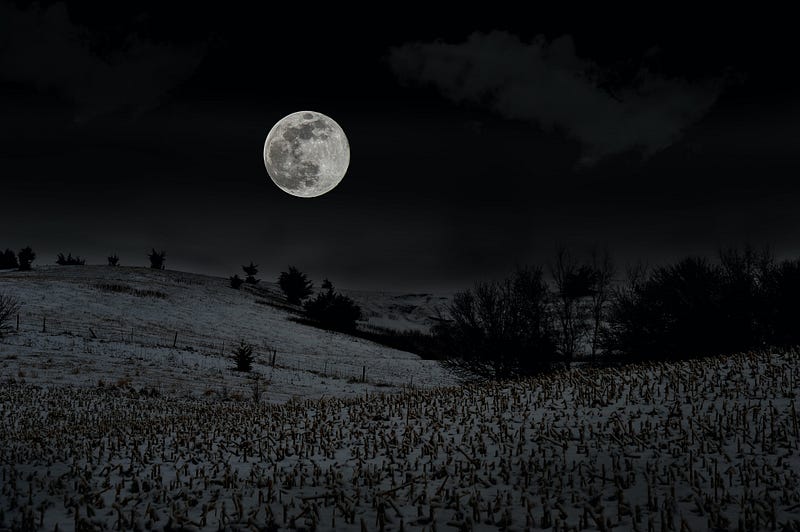
The poem "Moon Petals" by Aspen Blue, described as "A poem of passion," paints a vivid picture of a moonlit landscape where flowers drop petals onto the grass, creating a scene that is both serene and full of life. The imagery evolves from the moon's glow casting silver light on the ground to the detailed activity of worms and roots in the soil, enriching the earth and contributing to the cycle of life. The poem speaks to the senses, referencing the scent of honeyed mead and lilac wine, suggesting a heady atmosphere that permeates the night. The landscape, bathed in moonlight, is depicted as a place of harmony and abundance, reflecting the poet's deep appreciation for the natural world.
Opinions
- The author, Aspen Blue, conveys a sense of wonder and reverence for the nocturnal ecosystem, highlighting the beauty and activity that often goes unnoticed.
- There is an underlying theme of interconnectedness, as the poem describes how different elements of nature, from the moon to the worms, work together to sustain life.
- The use of vivid imagery and sensory details, such as "honeyed mead and lilac wine," suggests the poet's passionate perspective on the natural world, emphasizing its enchanting and intoxicating effects.
- The poem reflects a romantic view of nature, where even the cycles of decay and regrowth are portrayed with a sense of elegance and purpose.