
Monsieur Mercedes: Interesting founding story and the secret of its success in Formula 1
Daimler, which dominated the first automobile race in history with 11 vehicles, is trying something similar in the world where it has not even discovered the Mercedes brand. Toto Wolff’s philosophy is the kind that will set an example for sports teams, corporate companies, and even societies.
Introducing the passenger car concept to the world in 1885, Karl Benz also won a victory against Gottlieb Daimler, who has not yet been a partner. Mr. Daimler, on the other hand, dominated the first automobile race in Paris with cars using the engines produced by his company, 9 years later.
The duo eventually merged. However, neither Benz nor Daimler is the most familiar name in the world today. You will probably slog on to find someone unaware of the “Mercedes” brand, which grew with the love that a diplomat father has for his daughter. Gottlieb, who died in 1900, does not even know about it.
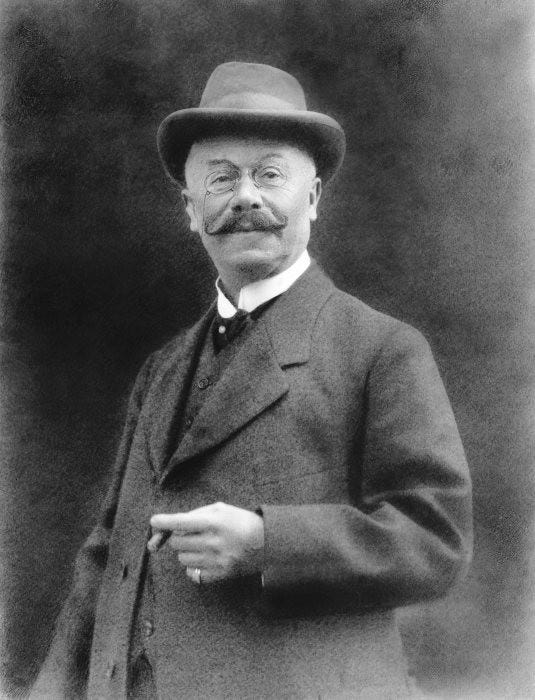
Monsieur Jellinek
Emil Jellinek, the naughty son of a well-known Jewish family, was expelled from several schools during his childhood and not admitted to the Austrian army, as well. He was fired from his first job on a railway company for an interesting reason:
Organize locomotive races secretly at night!
Reminiscent of the F1 drivers of the 50s with his rule-breaking attire, the turning point of this young man was his career in diplomacy. He also earned money to feed his automobile curiosity by dealing with trade.
Over the years, Jellinek settled in Nice as the Consul General of Austria, participating in races and selling cars to aristocrats on the French Riviera. In 1896, when Daimler saw Motoren Gesellschaft’s newspaper advertisement, he expanded his portfolio with its DMG Phoenix Car.
Despite the many races he won in Nice, he was never satisfied and begins to mentor the engineers. While he upsets Gottlieb with his over-the-top comments, he convinced Wilhelm Maybach, the brand’s designer. Jellinek ordered a vehicle in which he clearly specifies its features, and set two conditions that change the course of history:
1- I want the next day’s car, not today or tomorrow. 2- The name of the vehicle will be Mercedes (his daughter’s name).
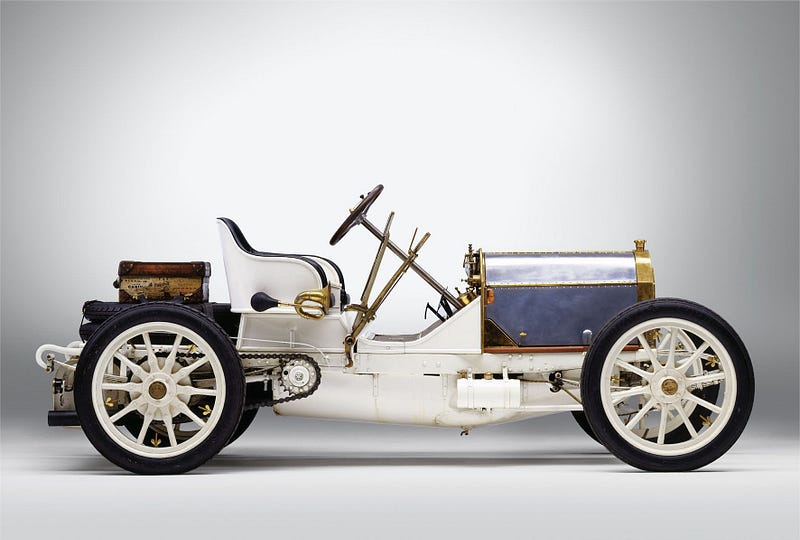
Despite all his pragmatic achievements, Emil was superstitious and believed his daughter’s birth brought good luck. He was right! Rothschild was the first customer of the Mercedes 35hp, which won all the races in the 1901 Nice Race Week, and many billionaires such as Rockefeller and Morgan were lined up.
For years, Daimler produced cars, Jellinek sold all of them. He sold so many times that he would soon get tired of endless demands from wealthy customers. But before that, the three-pointed Mercedes star was registered and Emil changed his last name.
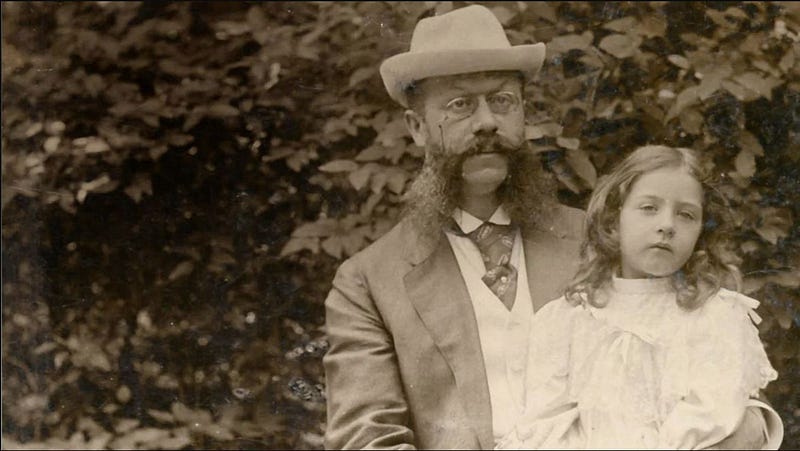
“This is probably the first time that a father has taken his daughter’s name.”
— Emil J. Mercédès
Mercedes’ Secret in Formula 1
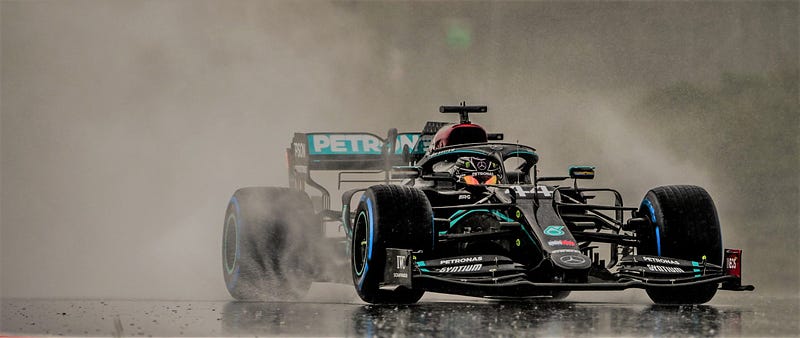
A Catholic name of Spanish origin, Mercedes means “mercy”. However, the German manufacturer is not very affectionate these days. Returning to Formula 1 in 2010 with their silver car, the team identified with the word “success” from then on. 3 main factors provide this.
1- No Blame
The tolerance of criticism, which is one of the virtues of unknown value today, is very important for the CEO of the team, Toto Wolff. The culture he calls “No Blame” prevails at the factory and on the track. Self-criticism in the team is at such a level that drivers, engineers, and mechanics are comfortable enough to get their fair share of good and bad times.
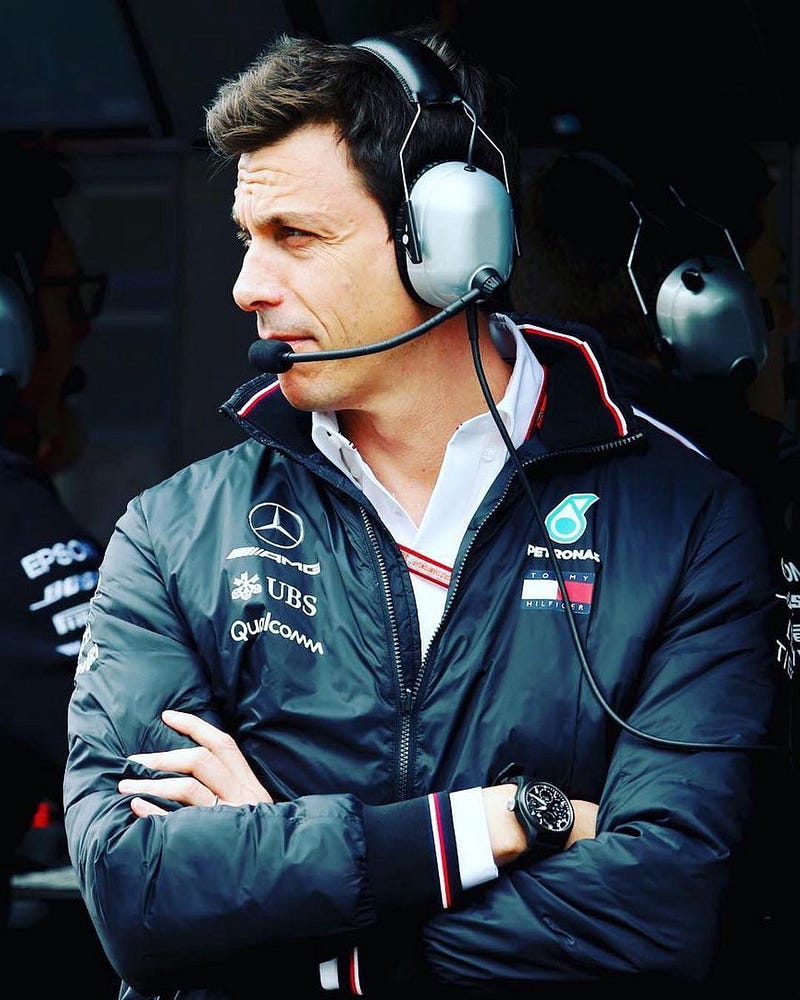
“After bad days, we analyze everything. Everyone shares his own mistake, if there is one, and thinks about what he can improve.
It is much easier to get out of the spiral by admitting the error. “
- Toto Wolff, Mercedes F1 CEO
It took Lewis Hamilton a while to get used to this style, as we watch his panic and blame around on the McLaren team radio. Mercedes benefits from Peter Bonnington’s confident and calming voice by using him as Lewis’s racing engineer. This sarcastic relationship resulted in six Drivers’ Championships.
2- Meritocracy
Since the team’s return to the sport, the engineers transferred from their competitors were perceived as making the difference. However, this explanation alone is not enough. A crucial enabler of success is the working environment created for them.
When you provide qualified people with a balanced space of freedom, the appreciation they deserve, and enough resources, you don’t expect mediocre outcomes. On top of that, Wolff’s approach to “see the glass half empty” makes failure nearly impossible. The team, looking for the better without getting bored and doing it in the most optimized way, brings crazy inventions (such as DAS) even to the seasons expected to be dominated by Mercedes.
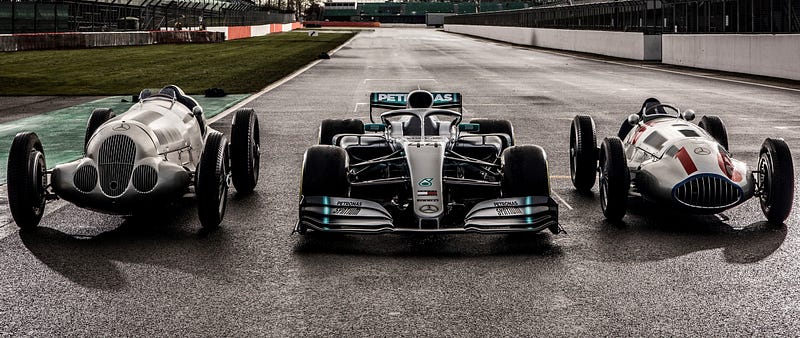
3- Cooperation
Silver Arrows pays great attention not only to their employees but also to partnerships. McLaren will start using Mercedes engines again after 7 years. On the other hand, they also have a certain share in Aston Martin, known as “Pink Mercedes” due to its chassis similarity to Mercedes W10 last year.

Every time these deals were announced, the question came up: “Will Mercedes leave the sport?”
Besides, an equal stake partnership with INEOS and Toto Wolff recently sparked the rumours. In essence, Daimler -or any manufacturer in this sport- is all about achieving maximum success and recognition at minimum cost. As such, they have the chance to pull their dominance in sports to a different dimension while doing this. McLaren and Aston Martin’s goal is not to stay in the middle, and Daimler-powered vehicles could take over most of the grid, just like the first race in 1894.
“Creativity is just connecting things together.”
— Steve Jobs
Daimler DNA & The Future
Growing up with the contributions of Daimler, Maybach, Benz and Jellinek, Mercedes was built on the values that we just mentioned, from the very beginning. Multi-partner structure, next-day thinking and the pursuit of excellence are some of the approaches that you can trace in the history of the brand and that has been preserved to this day. They are so committed to their past that, in 2019 they produced a modern prototype of the first car Jellinek designed.
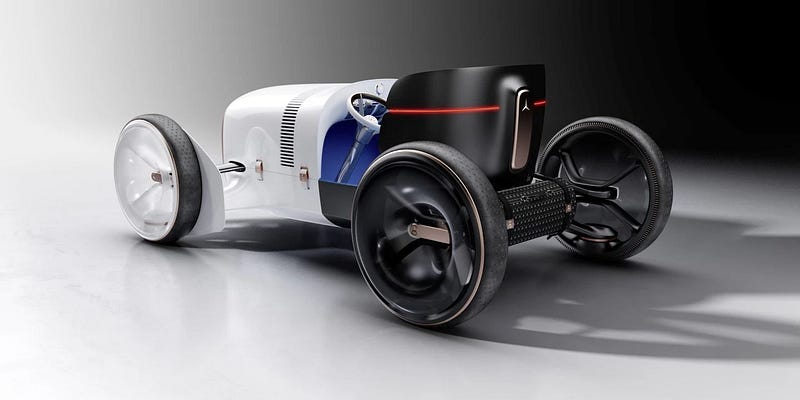
Awesome, isn’t it?
Romance aside, the company has set a vision that could affect the future of the automotive industry today, similar to what it did 127 years ago. Accordingly, they will focus on 3 areas in the next 10 years:
- Combustion engines with increased electrification
- Plug-in Hybrid technology
- Fully electric vehicles
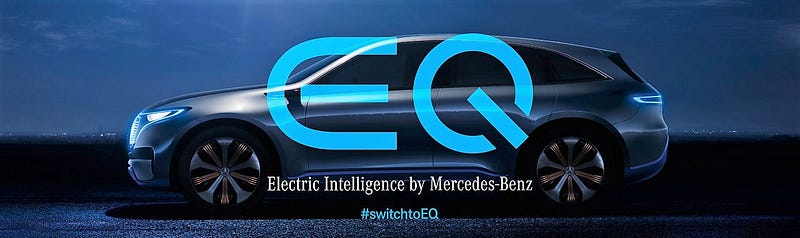
They continue to invest in concepts called EQ Boost, EQ Power and EQ respectively. Formula 1 and Formula E are R&D and marketing bases for these lines.
They are not yet the most successful team in Formula 1 history. Of course, this also has to do with how you look at the statistics sheet. Compared to Ferrari, which has won 15 championships in 70 years, it is difficult to predict how Mercedes, which has peaked 9 times in just 13 seasons, will move away from the top. Hoping for this to become is painful for Formula 1 audience.
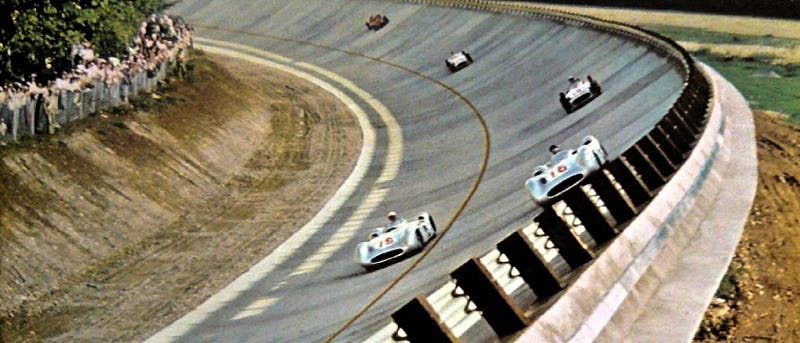
But throughout history, we saw them stepping back while doing well 4 times. Starting to participate in races in the late 19th century, Daimler gave up this idea with a horrific accident. Later, with the name Mercedes, they had many races wins until World Wars stopped them. The Formula 1 adventure, which lasted only two years in the 1950s, ended with two championships. Following the massive accident triggered by Ferrari driver Mike Hawthorn and killing dozens of spectators at 1955 Le Mans, the brand stayed out of motorsports for nearly 30 years.
For the Mercedes domination to come to a halt, again a tragedy or a war is needed. For sure, I don’t think we would wish either of them to happen.
“Perfection is not attainable. But by chasing it, we can catch excellence.”
— Vince Lombardi


