
Money Can't Buy Self Fulfillment
We created an artificial reality, but there is another world
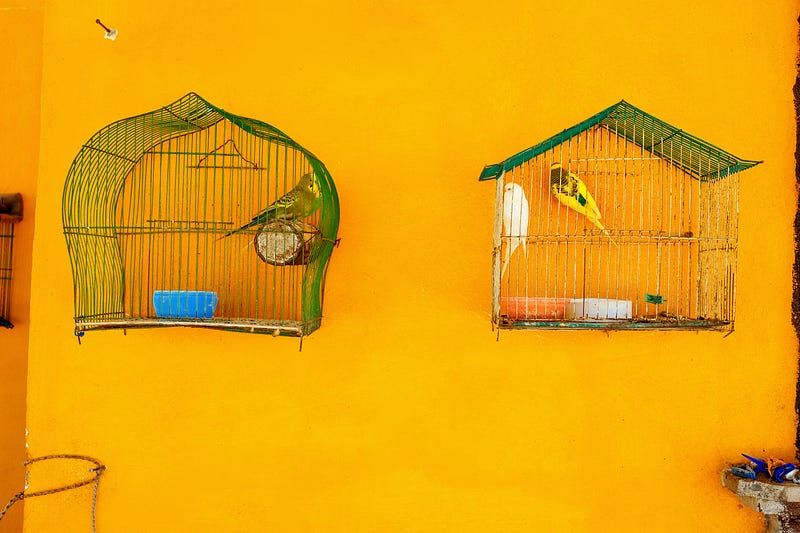
Undeveloped infrastructure deterred the establishment of luxury resorts and mass tourism. Water and power outages struck at any time and lasted for days, and food options varied. A very infrequent motorboat delivered essential items from the mainland, and small-plot farms and locally caught fish supplied the majority of sustenance, but we didn't need much.
Humidity reached 100% during the wet season and didn't break until large raindrops fell from the sky. Thirsty ceiba, fern, fig, palms, and water tanks joyfully greeted the downpour. The natural elements forced living within the constraints of the environment because the taps ran dry unless rain granted the essential resource, and we understood nature controlled us — we don't control it.
The buzz of mosquitos carrying Dengue Fever hunted us, and screenless wooden windows and a fan that blew hot, humid air provided the only cooling. Sleepless nights were regular, but we quickly adapted to the elements despite the numerous inconveniences, and the discomforts were worth the freedom we gained from forgoing the pursuit of wealth.
We worked to make ends meet. We weren't focused on a career, saving money, paying off debt, or any financial matters, and if any of us encountered hardship, we had a community supporting us. No one kept tabs because money didn't determine a person's value, and it wasn't the goal — our collective happiness was.
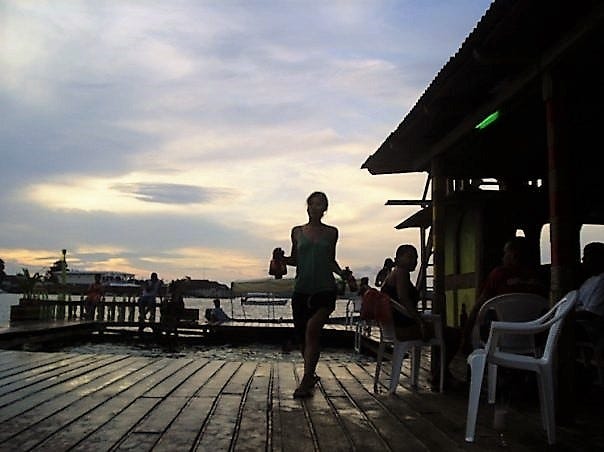
On the days when the tropical storms didn't catch us off-guard, we climbed onto our tin roof cabanas and laid on our backs to watch the crosswinds blow puffy rainclouds across the sky. Lightning strikes zigzagged over the sea, and thunder boomed over our heads when the storm neared. No matter how many times we witnessed nature's extravagant show, it never bored us.
Asphalt covered the most dangerous sections of the single road connecting the main island's 12 mile/19-kilometer length. Potholes from the tremendous downpours coated the surface, and four-wheel-drive pickups sprayed the pools of taupe-colored mud onto bright-colored Caribbean buildings. After the rain, speckled dried earth caked everything — including us, but we rarely noticed.
Water taxis and our feet carried us to where we needed to go, and when we wanted to trek to the other side of the island, we borrowed bikes. Cycling the rough terrain on beach cruisers wasn't an easy feat. Climbing the hills on old clunky bikes winded us, but when we reached the highest point and descended, the downhill breeze filled us with exhilaration, and it's the closest to free we've ever felt.
None of us knew each other before we arrived on the islands, but we knew everything about each other within weeks because time moves at a different speed when you're awake. An hour on the islands was longer than an hour in Los Angeles because the nagging urgency of the future and nostalgia of the past can't steal the present when we live in the moment.
Eventually, the call of home summoned us. We forced ourselves to adjust to unnatural bright lights and bustling sounds, but the experience altered our lives. We know a place where money didn't determine our worth, and conforming to a world that does, breaks us. Wealth can't buy friends, freedom, happiness, or peace, yet its artificially created value supposedly purchases everything worthwhile.
The life we lived on the islands was the "real world." It was as natural and human as possible, while the other world is a manufactured reality. Pursuing wealth instead of fulfillment obscures actual value. We work to buy necessities, and we don't have the time for psychological or self-fulfilling needs. Our lifestyle prohibits us from experiencing life's best offerings, and we're stuck in a constant loop that never progresses.
There is no future because we can't mentally move forward and imagine a world where we have what we want. We buy materials for gratification, but we wouldn't need a substitute for raw feelings if we lived in the real world, and everything we do is for our emotions.