Summary
The author is recreating their late mother's traditional Hungarian Kapusta (cabbage rolls) recipe, navigating through old-fashioned measurements and cooking techniques, and reflecting on the connection between food and familial love.
Abstract
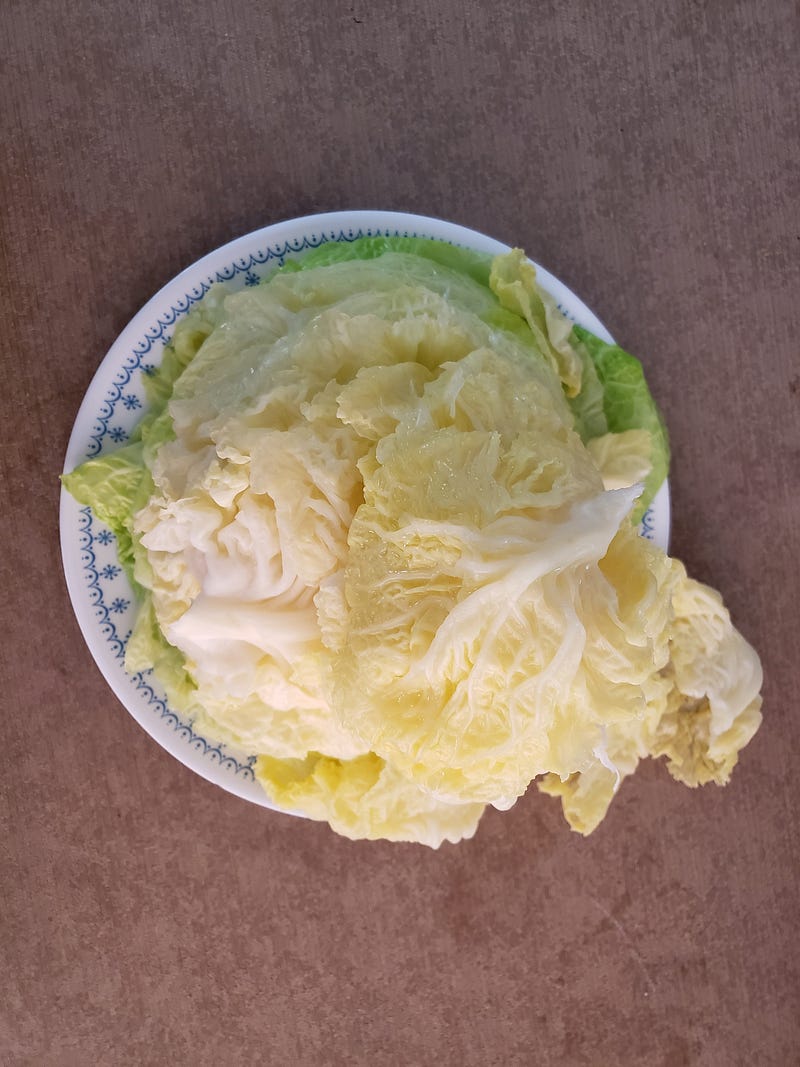
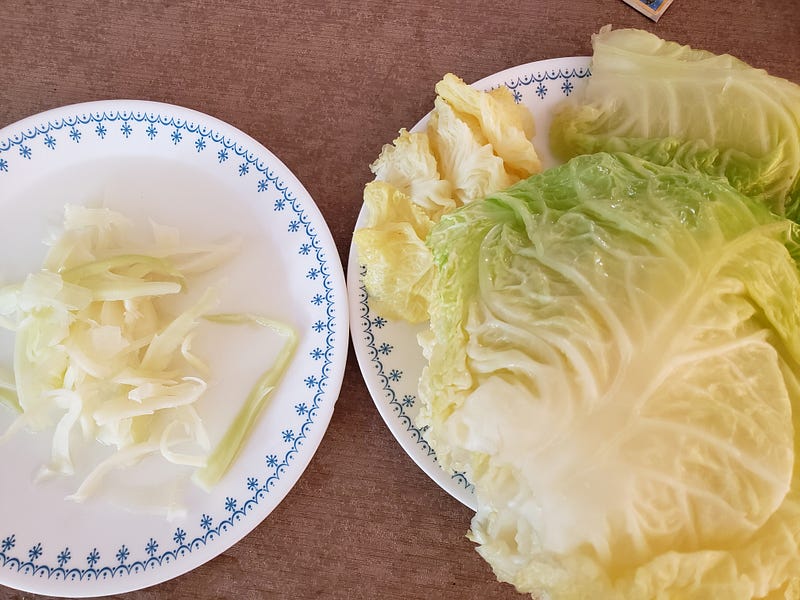
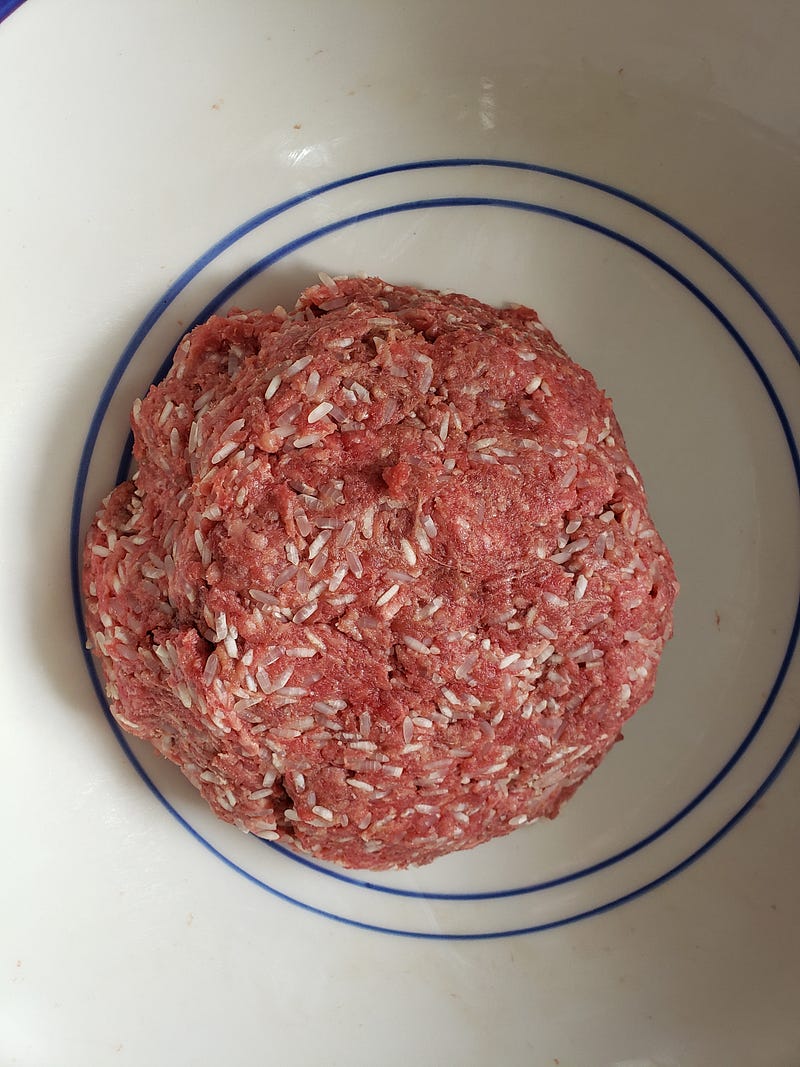
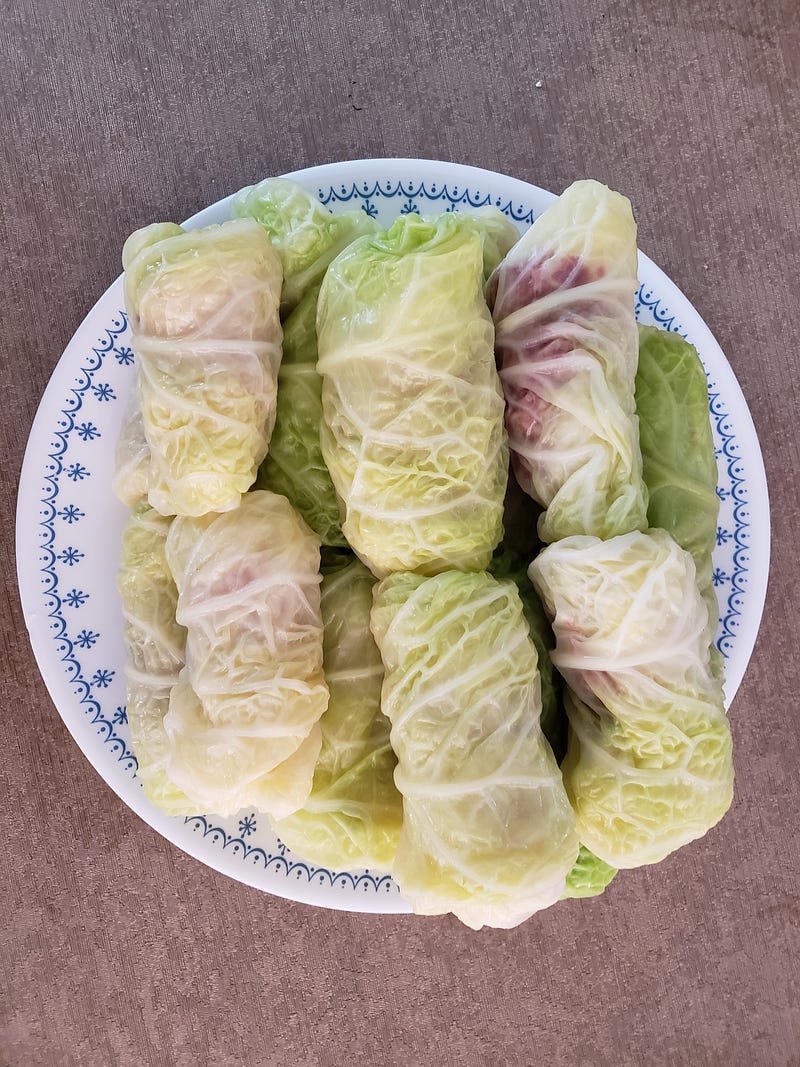
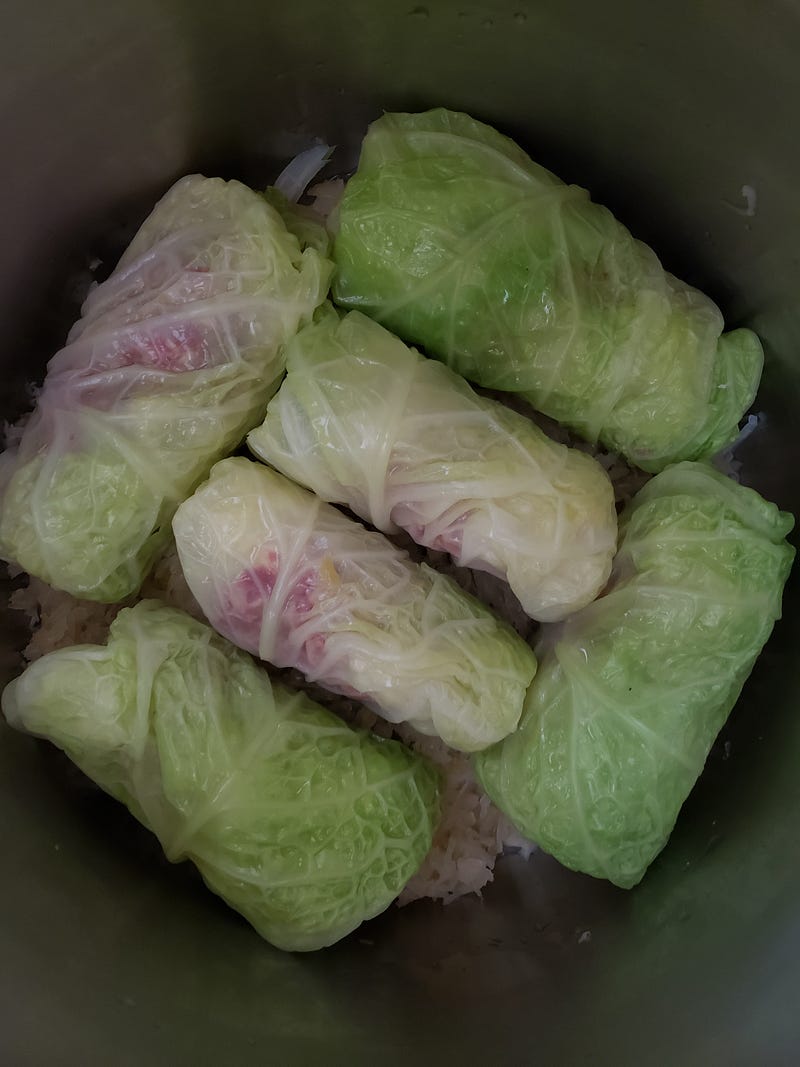
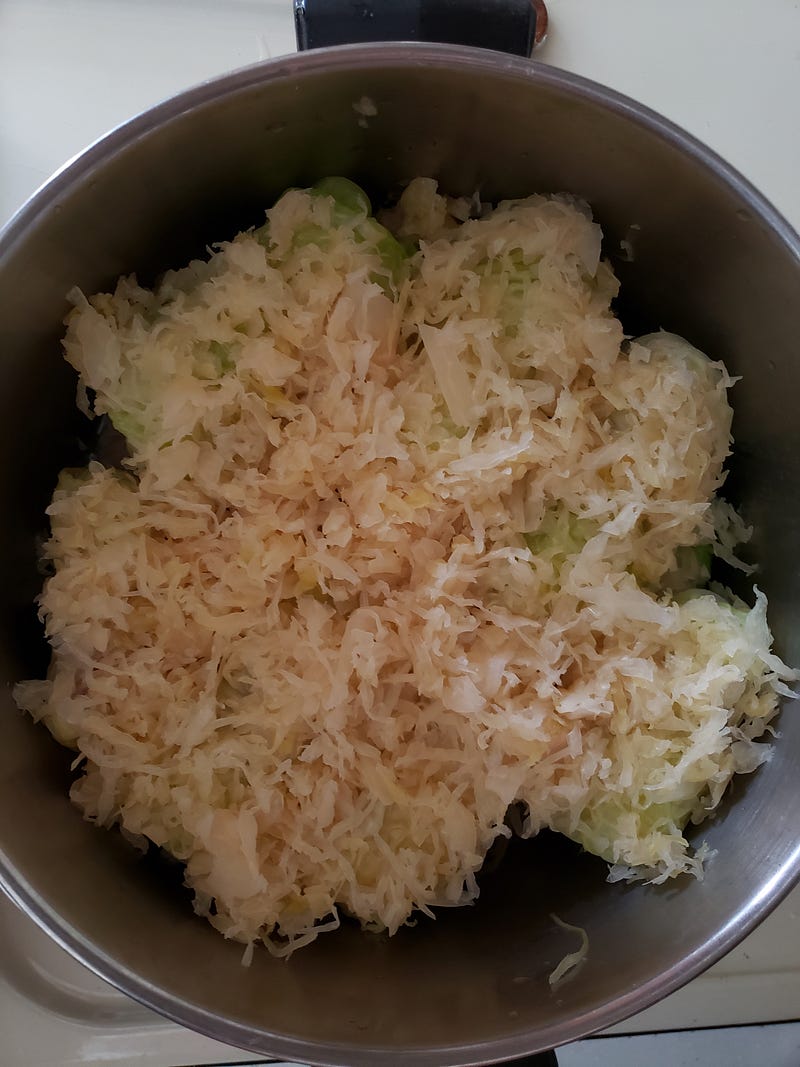
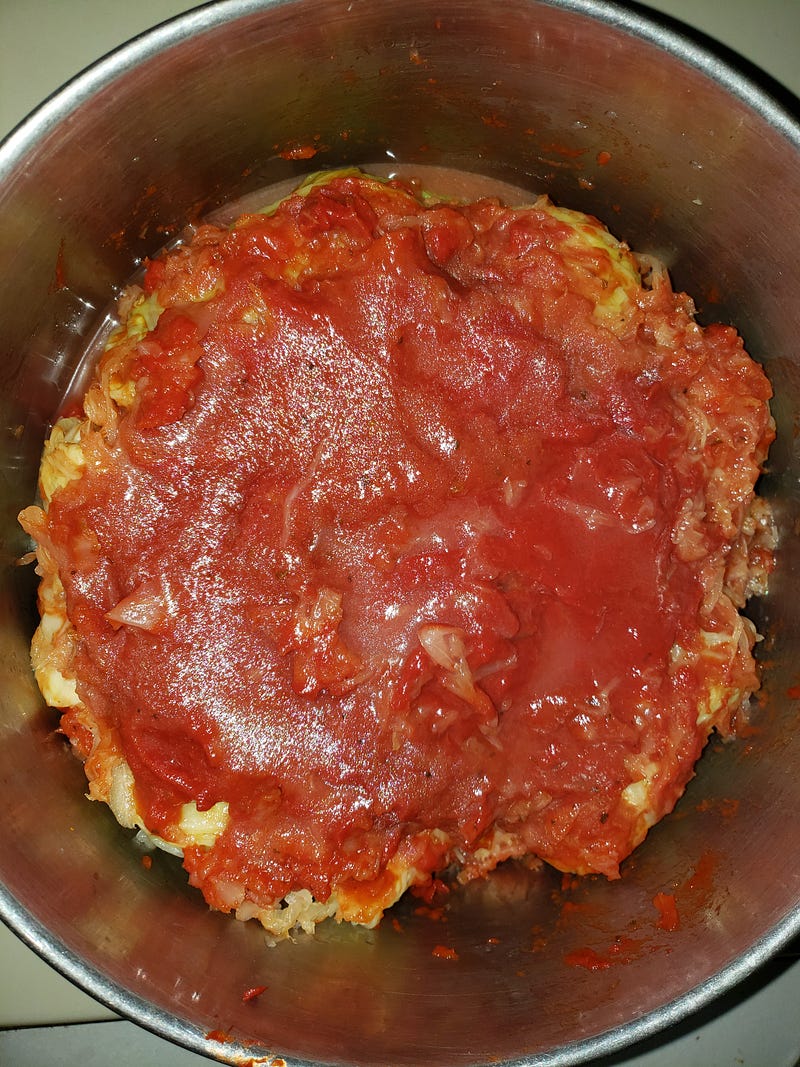
In an effort to preserve family tradition and honor their mother's memory, the author undertakes the task of making Kapusta, a Hungarian dish passed down through generations. The process involves interpreting and modernizing the recipe, such as estimating measurements like "3/4 of a cheese glass" and substituting "rendering fat" with butter. The author meticulously documents each step, from boiling cabbage leaves to layering the stuffed rolls with sauerkraut and tomato paste, and finally cooking the dish. The article is not just a walkthrough of a recipe but a sentimental journey that highlights how traditional foods can evoke childhood memories and a sense of love and continuity.
Opinions
- The author views the act of cooking their mother's recipes as a way of keeping her memory alive.
- There is a sense of challenge and adaptation in translating old recipes into modern kitchen practices.
- The author seems to believe that the effort put into making traditional dishes is a testament to the love and care that goes into them.
- The process of cooking these specific dishes is deeply connected to the author's childhood and family heritage.
- The author implies that the taste of traditional foods is intertwined with the feeling of love, suggesting that such meals are more than just sustenance—they are a form of emotional nourishment.