
Mobile, Montgomery, Memphis
The Story of My Family
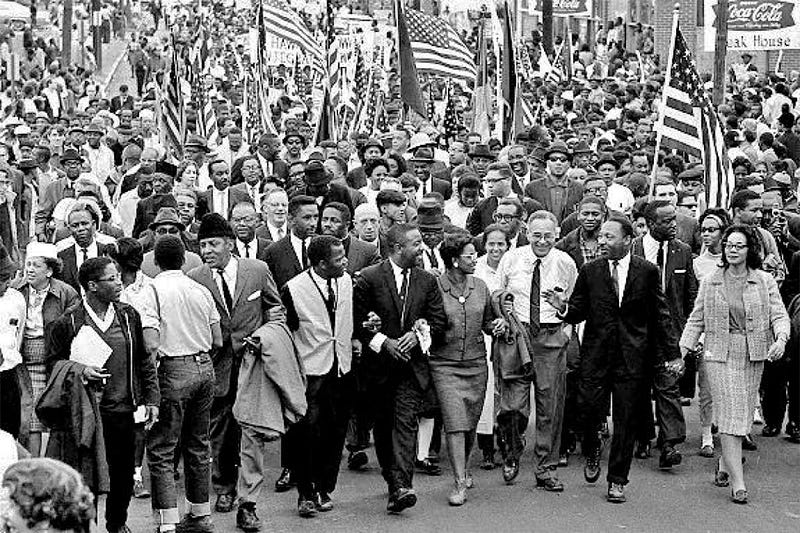
Bombs burst in Birmingham,
Fire hoses
Dogs
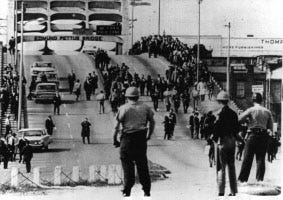
Police
Shots rang out in Memphis.
Where was my family?
Deeper south, delivered from evil by upper-middle-class professions and college education.
My best guess, my family still bore scars of the depression — lean days permanently engraved in hungry spirits. They gave thanks for blessings within and ignored fights without.
Our lives are shaped by forces beyond and larger than ourselves.
Grandaddy stepped on a rusty nail, and his tetanus-gnarled foot would have been amputated were it not for the invention of penicillin.
The deformed foot spared him from fighting in World War II.
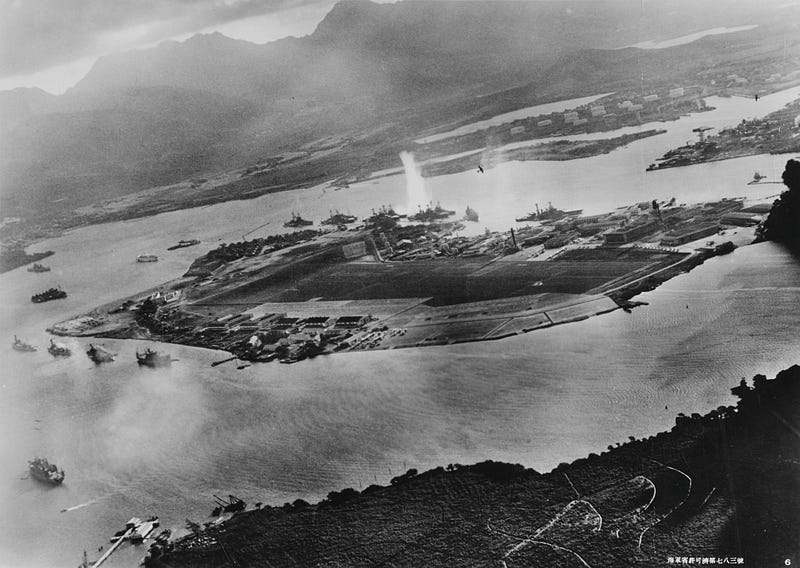
Grandaddy’s brother, Uncle Sam, watched the Japanese bombing runs at Pearl Harbor, saw a peaceful world turn red and black. He was a doctor, but we never heard the horrid details of his role in the aftermath, only that he was present.
Uncle Sam learned a significant lesson: we are not invincible.
Franklin Delano Roosevelt declared December 7, 1941, to be “a day which will live in infamy.”
Righfully so, but Southern United States has seen infamous days, many as stars in the heavens.
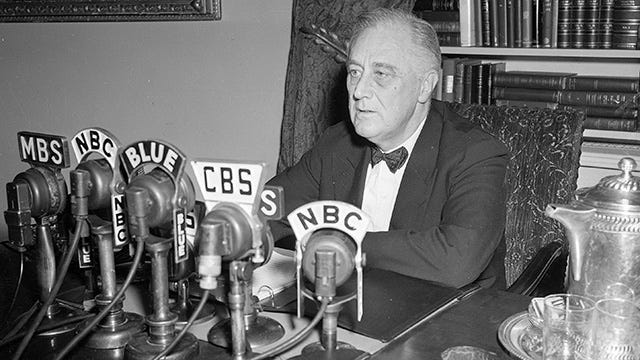
President Roosevelt advised the country after Pearl Harbor, “The only thing we have to fear is fear itself — nameless, unreasoning, unjustified terror which paralyzes needed efforts to convert retreat into advance.”
Fear is a powerful force — both logical and completely illogical. Fear masked advance then, and still does today.
Fear created the “Hold on to what you have, because it could, so easily, disappear” attitude. Potential for shifts in power, opportunity and social status are what kept the South segregated. Nameless, unreasoning, unjustified terror became the justification for carrying out unreasoning, unjustified terror on other human beings.
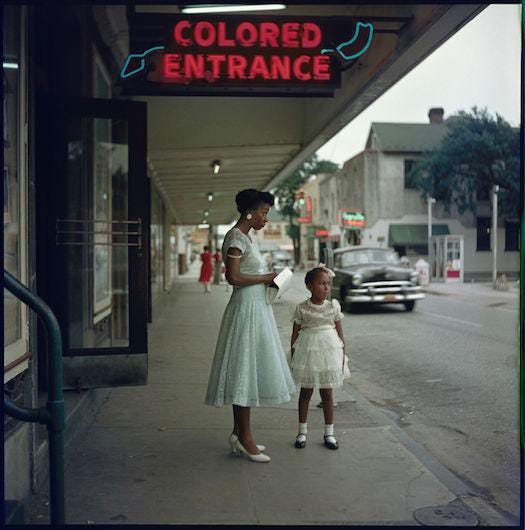
In the post-war decades, there was no penicillin for the race-gnarled South. Police, who should have been protectors, became attackers. Politicians in Washington turned a blind eye until President Kennedy could no longer ignore the crisis, fearing the country might explode.
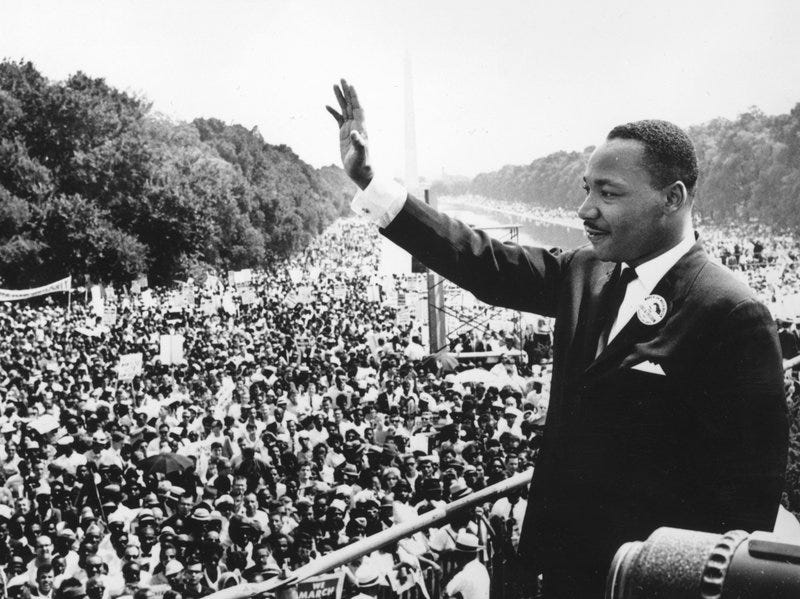
Murders and marches led to Martin Luther King’s impassioned appeal to the nation in the speech we now call, “I Have a Dream.”
Rosa Parks famously refused to give up her seat on a bus.
My mother, age-mate to Parks, was driving a private car through Alabama at the time of the Montgomery bus boycotts.
Dementia captured Park’s mind as well as my mother’s.
King and Kennedy both fell to assasin’s bullets.
Even on tilted playing fields of life, death will level us all.
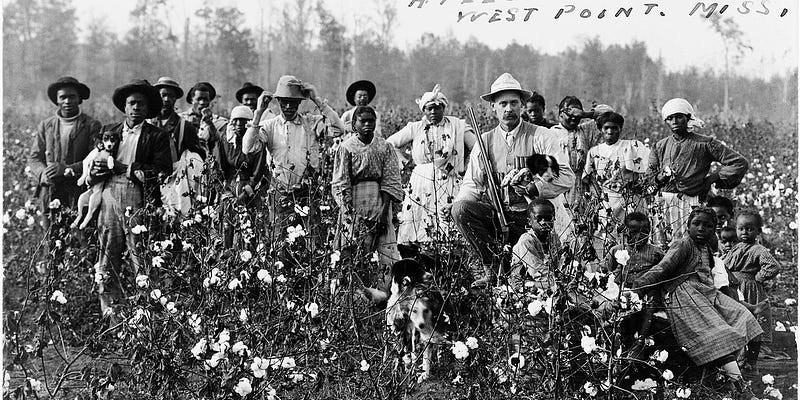
I wonder about my forebears. As far as I know, they were sympathetic non-participants in the worst of things.
But what is that worth? Does silent sympathy have any power while human blood runs in the streets, withers in the fields, faints on the auction blocks?
What if my mother sat out the civil rights movement, but spent the rest of her life in multiracial libraries of Atlanta, teaching children to read?
What if her hope lay not in political activism, but in the transformative power of higher education and understanding of written words?
Is there any atonement in this?
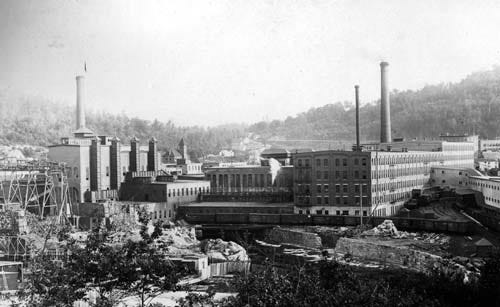
Grandaddy was a chemist for the International Paper Company.
His work transported Gordon Park’s images of segregation in Mobile to the world. News from Alabama was printed, the ink in so perfect, so that a cry for change could no longer be ignored.
Is there redemption in ancillary consequences redemptive or is that mere serendipity?
In other words, is what we do as important as why we do it?
Today, I am a minority in the land where I live, where I am reminded daily — often momentarily — of the color of my skin.
I am also reminded of the shocking, transformational power of the kindness of strangers, turned friends, turned family.
They prove to me, it is possible to cross impossible lines. . .
It is possible to show impossible love. . .
It is possible to forgive unforgivable wrongs. . .
I wonder if the same could ever happen in the land of my birth.
“I know that what I am asking is impossible. But in our time, as in every time, the impossible is the least that one can demand. . .” — James Baldwin
I started this essay several years ago, I’ve revisited every few months. Time to hit publish, I think. It was inspired by Kay Bolden’s powerful essay:
Other books that have been on my mind:
The Sun Does Shine: How I Found Life and Freedom on Death Row
Just Mercy: A Story of Justice and Redemption by Bryan Stevenson
Devil in the Grove: Thurgood Marshall, the Groveland Boys, and the Dawn of a New America
The Fire Next Time by James Baldwin


