
Missing in Action: The Curious Case of Generals Sokolov and Gherasimov!
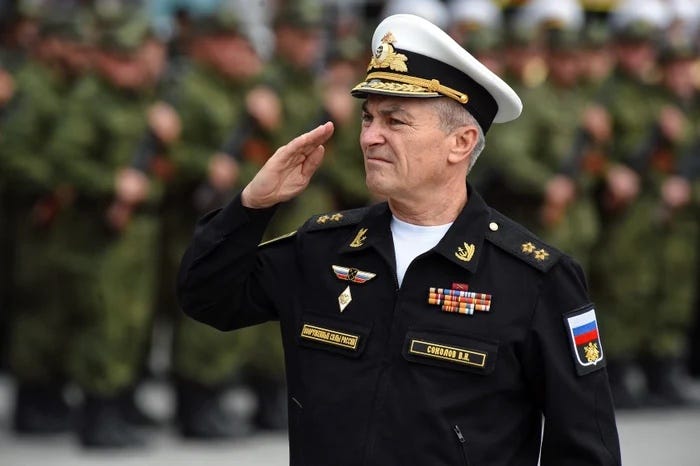
In recent months, the Ukraine-Russia war has taken a new turn with the disappearance of key Russian generals, igniting a flurry of speculation and concern about their whereabouts and the implications for the conflict. The vanishing of high-ranking officers such as Admiral Viktor Sokolov, not seen for over a hundred days, and General Valeri Gherasimov, missing from the public eye for weeks, has deepened the mystery surrounding Russia’s military operations in the region.
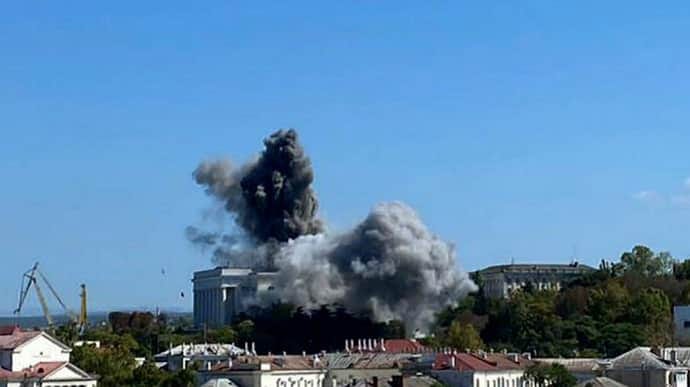
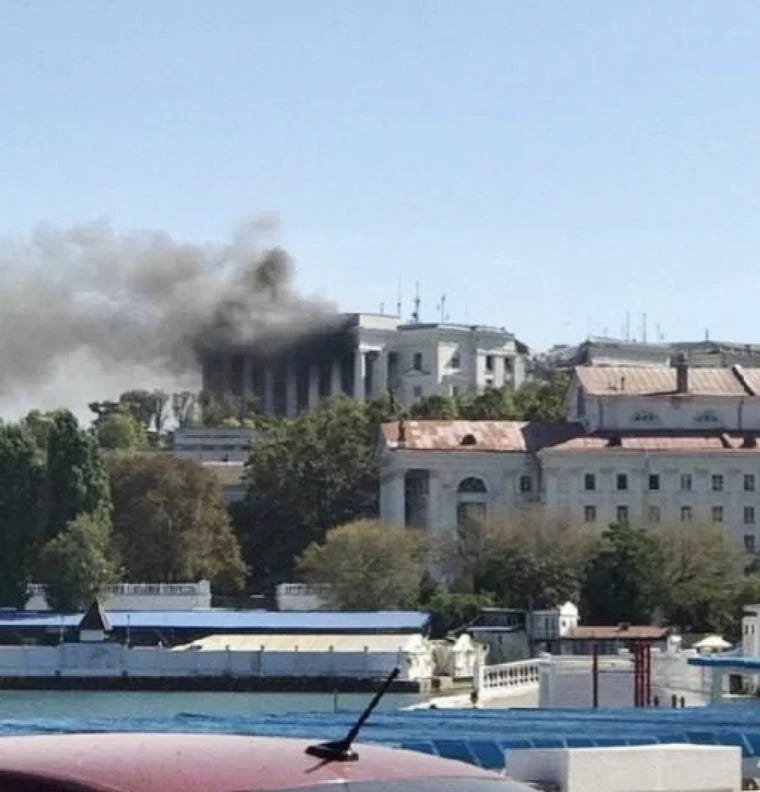
The presumed death of Admiral Sokolov in a missile attack against the headquarters of the Russian Black Sea Fleet in annexed Crimea has been contested by both Russian and Ukrainian forces, each offering divergent narratives. Ukraine considers Sokolov a high-value target, suggesting his disappearance marks a significant blow to Russian naval capabilities. On the other hand, Russia’s silence and vague confirmations only fuel further speculation about the fate of these officers.
General Gherasimov’s absence, following an alleged Ukrainian attack near Sevastopol, raises questions about the effectiveness and morale of Russian military leadership. The lack of official acknowledgment from the Russian Ministry of Defense, coupled with the spread of unverified rumors on social media platforms, underscores the opaque nature of this conflict.
A quick heads-up: Medium’s been tweaking its algorithms and it’s getting trickier for my stories to land in your feed. So, if you enjoy my work, please make some noise! Hit that clap button, light up the highlights, or drop a comment. Every interaction helps keep the stories flowing. Thanks for your support!
Military experts and analysts, like Fred Hoffman, highlight the unusual silence from Russian officials regarding their high command’s status. This silence is strategic, aiming to keep military plans and operations away from the public’s scrutiny. Yet, it inadvertently contributes to a narrative of confusion and potential disarray within Russian ranks.
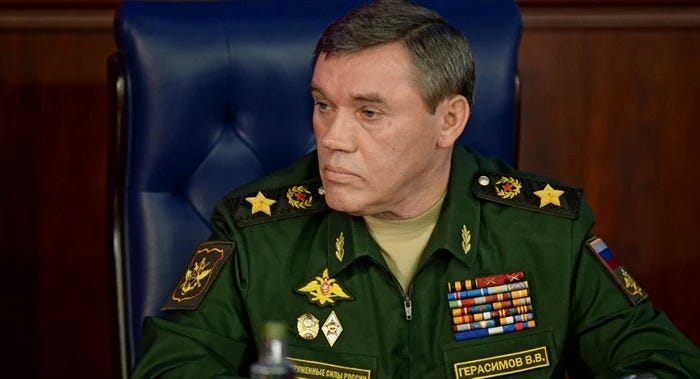
Furthermore, the Russian government’s attempt to display continuity and control by releasing images of supposedly deceased commanders only adds layers to the complexity of understanding the true state of affairs. This strategy, while aimed at quelling rumors, often results in further speculation and doubt about the credibility of official statements.
The ongoing conflict and the mystery of missing generals underscore a broader strategic contest, not just on the battlefield but in the information and perception domain. As military operations continue to unfold, the disappearance of key figures like Sokolov and Gherasimov serves as a stark reminder of the war’s unpredictable and volatile nature. The speculation surrounding their fate reveals not only the fog of war but also the strategic silence employed by Russia, possibly as a means to navigate the war’s protracted and complex dynamics.
This situation has led to a broader discussion among military and geopolitical analysts about the implications of such disappearances for Russian military strategy and morale. The absence of prominent military leaders from public view might reflect a deliberate strategy by the Russian government to maintain operational secrecy and control the narrative. However, it also raises questions about the potential vulnerabilities and challenges within the Russian military hierarchy, particularly in terms of leadership stability and command effectiveness.
The intrigue surrounding the absence of high-ranking Russian generals in the Ukraine-Russia conflict paints a complex picture of modern warfare, where information warfare and psychological operations play as crucial a role as ground tactics. The uncertainty about the fate of figures like Admiral Sokolov and General Gherasimov not only fuels speculation but also highlights the strategic use of information as a weapon in itself.
The psychological impact of these disappearances on both Russian and Ukrainian forces cannot be understated. For Ukraine, the potential elimination of key adversary figures might serve as a morale booster, signaling strategic victories against a formidable opponent. Conversely, for Russia, the ambiguity surrounding their top commanders’ fates could be a double-edged sword – maintaining operational secrecy while risking internal morale if perceived as a sign of vulnerability.
The silence from the Russian side, as noted by experts like Mikhail Troitski, suggests a calculated approach to managing the narrative of the war. This approach aims to shield military operations from public scrutiny and maintain a facade of stability and control. However, it also leaves room for speculation and potential misinformation, complicating the task of discerning the conflict’s true state.
Moreover, the speculation about the deaths of Sokolov and Gherasimov, fueled by unverified rumors and the lack of transparent communication from Russian authorities, underscores the challenges of information reliability in contemporary conflicts. The digital age has transformed the battlefield into an arena where perceptions and narratives can be as impactful as physical engagements.
This information ambiguity serves multiple strategic purposes. It diverts attention from the realities of the conflict, allowing Russia to potentially regroup or re-strategize without intense scrutiny. Additionally, it tests the resolve of international observers and Ukraine’s allies, probing for weaknesses in political and public support for Ukraine’s defense efforts.
The strategic implications of these disappearances extend beyond the immediate tactical concerns on the battlefield. They reflect on the broader geopolitical struggle, where the control of information and the narrative plays a critical role in shaping international perceptions and responses. In this shadow war, the line between truth and propaganda blurs, complicating the efforts to achieve a transparent understanding of the conflict’s dynamics.
As we continue to monitor this conflict, it is crucial to remain vigilant against the manipulation of information and to seek a nuanced understanding of the evolving situation. The disappearances of key military figures are but one piece of the larger puzzle, highlighting the intricate interplay between military strategy, information warfare, and geopolitical maneuvering.
In conclusion, the Ukraine-Russia conflict, marked by the mysterious absence of top Russian generals, serves as a contemporary case study in the complexities of modern warfare and geopolitical strategy. As we delve deeper into the analysis of these events, the importance of critical thinking, comprehensive research, and strategic foresight becomes ever more apparent.
Your engagement and insights are what make these discussions enriching and thought-provoking. Don’t forget to clap and comment with your views on the strategic dimensions of the Ukraine-Russia war.